Support

La Fenice Theatre

About

Teatro La Fenice, whose name translates to "The Phoenix," is one of the most famous and significant opera houses in the world, located in the heart of Venice, Italy. Its name was not chosen by chance: like the mythical bird, the theater has risen from the ashes several times after devastating fires, becoming even more beautiful each time. Today, it is not just a stage, but a true symbol of the immortality of art and a cultural gem that is a must-visit for all lovers of music and architecture.
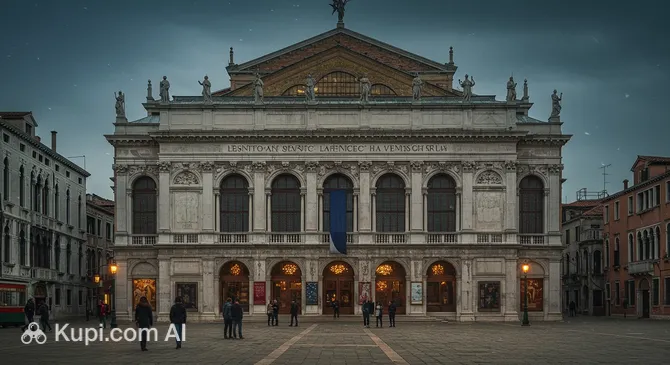
La Fenice Theatre. Illustration.
Source: Kupi.com AI

Traveler photos:

The theater building, designed in a neoclassical style, features an elegant and understated facade. However, the true splendor lies within. The interior is striking in its luxury: the auditorium, with a capacity of 1,244 seats, is richly decorated with gilded elements, exquisite paintings, and numerous mirrors that create a unique atmosphere of grandeur and festivity. Every detail, from the velvet seats to the painted ceiling, is designed to transport the audience into the world of fine art.

Throughout its rich history, the La Fenice stage has seen the premieres of great works by composers such as Rossini, Bellini, Donizetti, and, of course, Giuseppe Verdi. A visit to this theater is an opportunity not only to enjoy world-class opera or ballet but also to touch living history and feel the spirit of the era when the immortal masterpieces of classical music were created.

Contacts

To get the most up-to-date schedule information, book tickets, or plan your visit, it is recommended to visit the theater's official website. Below are the main contact details you may need.

How to contactContact
AddressCampo S. Fantin, 1965, 30124 Venezia VE, Italy
Phone number+39 041 786654
Websitewww.teatrolafenice.it

What to Do

A visit to Teatro La Fenice is an opportunity to experience the world of fine art. The main reason enthusiasts from all over the world come here is, of course, the performances. The theater's schedule features first-class opera and ballet productions, as well as symphony concerts. A special place in the repertoire is held by the legendary New Year's Concert, which is broadcast worldwide and allows millions of viewers to see the hall's magnificent decor. Attending such a performance means gaining unforgettable impressions and becoming part of a great cultural tradition.

Even if you don't plan to attend a performance, the doors of La Fenice are open to everyone wishing to learn about its history and architecture. During the day, tours are held throughout the theater, allowing you to peek into its most secluded corners. You can walk through the luxurious halls, admire the gilded boxes and the painted ceiling, and learn about the amazing fate of the building, which, like the Phoenix, has risen from the ashes several times. Such a tour is not just a sightseeing trip in Venice, but a true immersion into the history of Italy's opera arts.

Getting There

Teatro La Fenice is conveniently located in the heart of Venice, making it easily accessible for visitors. One of the most pleasant ways to reach the theater is a walk through the city's picturesque streets. If you are near the famous St. Mark's Square, the walk will take only 5–10 minutes. From the equally well-known Rialto Bridge, you can reach the theater in about 10–15 minutes. Such a stroll will not only ensure you arrive on time for the performance but also allow you to enjoy the unique Venetian atmosphere.

Given Venice's unique transport system, where water routes play a major role, the theater can also be reached by water. The most popular form of public transport is the vaporetto (water bus). The nearest stops to the theater are on the Grand Canal, just a short walk from La Fenice. For added convenience, you can use a water taxi. And if you want to make your journey to the theater truly special and romantic, a gondola ride will be an unforgettable adventure. In any case, it is recommended to check the water transport schedules and routes in advance, as most services stop running after 10:30 PM.

Nearest city: Venice

History & Facts

The history of the theater began on May 16, 1792, with the premiere of Giovanni Paisiello's opera "I giuochi d'Agrigento." The building was designed by architect Giannantonio Selva, who won a special competition back in 1789. The name itself—"La Fenice", or "The Phoenix"—proved prophetic, symbolically predicting the fate of the theater, which was destined to rise from the ashes several times.

The first serious trial occurred in December 1836, when a massive fire destroyed not only the building itself but also all the sets, costumes, and the valuable archive. However, like its mythical namesake, it was restored in record time. Just a year later, thanks to the talent of architects Tommaso and Giambattista Meduna, the theater reopened its doors. In the second half of the 19th century, the building suffered from fire again, this time due to a faulty stove, after which it was not just restored but enhanced with new luxurious decor.

The turbulent 20th century also left its mark on La Fenice's history. During World War I, the theater was forced to temporarily cease its operations. But the most famous event in recent history was the devastating fire of 1996, which was later discovered to be the result of arson. Once again, thanks to the efforts of all of Italy and international support, the theater was meticulously recreated according to the principle of "how it was, where it was." Each rebirth has made it not just an opera stage in Venice, but a true symbol of resilience and the eternal power of art.

Time Needed

When planning a visit to Teatro La Fenice, you should set aside one and a half to three hours, although the exact time depends on the nature of your visit. If you want to learn about the theater's architecture and history without attending a performance, a tour of the building—often conducted with an audio guide—will take about 1–1.5 hours. This is quite enough time to see the luxurious auditorium, the foyers, and learn interesting facts about this iconic Venice landmark.

If your goal is to enjoy an opera, ballet, or concert, you should plan for a longer visit. Attending an evening performance usually takes 2 to 3 hours, including intermissions. It is recommended to arrive a bit early to find your seats without rushing and to soak in the solemn atmosphere. Thus, going to a show at La Fenice is a complete cultural event that will become one of the most vivid memories of your trip to Italy.

Working Hours

Teatro La Fenice is open for tours almost year-round. Generally, the doors are open to tourists daily, from approximately 9:30 AM to 6:00 PM. However, it is important to remember that the schedule may change, especially on days with rehearsals, technical work, or special events. Therefore, to avoid any unexpected situations, it is strongly recommended to check the latest information regarding opening hours on the theater's official website before your visit.

To guarantee entry and avoid wasting time in lines, especially during the peak tourist season, tour tickets should be purchased in advance. This can easily be done online via the theater's official portal or through partner ticketing services. Booking in advance will not only save you time but also ensure a calm and well-planned introduction to one of the main cultural attractions in Venice.

Nearby

Visiting Teatro La Fenice is a highlight in itself, but exploring the surrounding area can make your day in Venice even more fulfilling. Thanks to its central location in the San Marco district, the theater is surrounded by many other iconic landmarks within easy walking distance. Strolling through the narrow streets and along the picturesque embankments allows for a deeper immersion into the city's unique atmosphere.

Exploring nearby attractions won't take much time, as Venice is a compact city where masterpieces of architecture and art are found at every turn. By planning a short route, you can see several world-famous sites in a single day, complementing your opera experience with new discoveries. Below is a list of interesting places located in the immediate vicinity of the theater.

NameDistance
Palazzo Contarini del Bovolo0.1 km
Accademia Bridge0.4 km
St Mark's Campanile0.4 km
Peggy Guggenheim Collection0.4 km
Punta della Dogana0.4 km
St. Mark's Column0.5 km
Doge's Palace0.5 km

Have you reached the end of the page?

So the route has been studied inside and out