Support

Katō Shrine

About

Kato Shrine (Kato-jinja) is an important Shinto shrine located in the eastern part of Kumamoto city on the island of Kyushu in Japan. This site is a significant religious and historical landmark dedicated to Kato Kiyomasa, the famous Japanese military commander, daimyo (feudal lord), and founder of Kumamoto Castle.
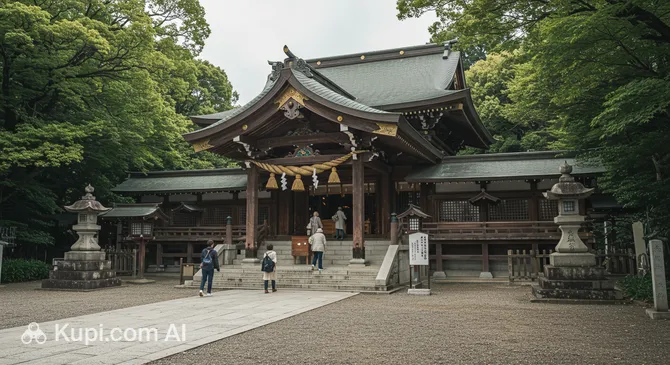
Katō Shrine. Illustration.
Source: Kupi.com AI

Traveler photos:

Kato Kiyomasa is one of the key figures in Japanese history, and his legacy is deeply revered. Visiting the shrine provides an opportunity to touch the history of this prominent figure and better understand the culture of the samurai and feudal Japan. The shrine is not just a place of worship, but also a center for preserving the memory of his deeds and contributions to the region's development.

Perched on a hilltop, Kato Shrine offers visitors not only spiritual peace but also breathtaking panoramic views of Kumamoto city. Within its grounds are an impressive bronze statue of Kato Kiyomasa and his tomb. This makes the shrine a unique place where religious traditions and a rich historical past intertwine, attracting both pilgrims and tourists interested in Japanese history.

Contacts

For up-to-date information on Kato Shrine's opening hours, upcoming events, or other details, it is recommended to consult official sources. Helpful information can often be found on the official tourism page for the city of Kumamoto. Additionally, the Kato Kiyomasa Memorial Society can provide further information about the shrine and its historical significance.

How to contactContact
Address2-1 Honmaru, Chuo Ward, Kumamoto, 860-0002, Japan
Websitewww.kato-jinja.or.jp

What to Do

A visit to Kato Shrine offers tourists several interesting activities and experiences. First and foremost, it is a place where you can connect with the spiritual side of Japanese culture. Here, visitors traditionally pray for protection, good luck, and strength of spirit. You can pay your respects to Kato Kiyomasa—the powerful military commander and founder of Kumamoto Castle—by viewing his impressive bronze statue and visiting his tomb, which allows for a deeper appreciation of the history of this prominent figure.

Thanks to its hilltop location, Kato Shrine offers visitors magnificent panoramic views of Kumamoto city. This is a great opportunity to take memorable photos of the urban landscape and simply enjoy the wide-open space. The shrine's peaceful atmosphere is perfect for contemplation and a break from the city bustle.

Furthermore, a visit to Kato Shrine can be conveniently combined with other nearby attractions. For example, the Reigando Cave is located not far away, known for its connection to the life of another legendary samurai, Miyamoto Musashi. The path to the cave, lined with hundreds of Buddhist statues, is an interesting experience in itself and a great addition to your visit to the shrine.

Getting There

Kato Shrine is located on a hill in the eastern part of Kumamoto. To reach it, visitors usually take a short trip from central Kumamoto, making it easy to include in a city sightseeing itinerary.

There are several options for traveling to the shrine from the center of Kumamoto. Public transport, particularly city buses, generally serves the eastern districts where the shrine is located. It is recommended to check exact routes and schedules locally, for instance, at a tourist information center or at bus stops. A faster and more direct way to reach Kato Shrine is by taxi, which can be called from a hotel or found at designated taxi stands.

Given that Kumamoto is a convenient starting point for traveling around central Kyushu, a visit to Kato Shrine can be part of a short city break or a more extensive exploration of this region of Japan. The shrine's location within the city limits makes it accessible to most travelers planning their route through Kumamoto.

Nearest city: Kumamoto

History & Facts

Kato Shrine preserves the memory of Kato Kiyomasa (1561–1611), one of the most colorful and influential figures in Japanese history. This prominent military commander and statesman lived and worked at the transition between two eras—Azuchi-Momoyama and early Edo. His life was filled with battles, political intrigue, and grand achievements, making him a legend in his own time. This revered site in Kumamoto is dedicated to this samurai general and daimyo, who supported Tokugawa Ieyasu in the unification of Japan.

A key moment in Kato Kiyomasa's biography was the famous Battle of Sekigahara in 1600. Following this victory, which determined the country's future, he was granted the entire Higo Province, now known as Kumamoto Prefecture. His income amounted to an impressive 540,000 koku of rice. As the founder and first ruler of the Kumamoto Domain, Kiyomasa not only rebuilt and fortified Kumamoto Castle in 1607, turning it into one of Japan's most impenetrable citadels, but also laid the foundations for the modern city. He also proved to be a talented administrator, redirecting river channels on the Higo Plain, which was of vital importance for agriculture and flood prevention.

In addition to his military prowess and administrative talents, Kato Kiyomasa was known for his deep religiosity. He was a devout follower of the Nichiren Buddhist sect, which was reflected in both his personal life and policies. However, this devotion had another side: Kiyomasa went down in history as an active organizer of Christian persecutions in the territories under his control. This aspect of his personality adds complexity to his historical portrait, reflecting the contradictions of that turbulent era. Kato Shrine is thus dedicated not just to a hero, but to a multifaceted historical figure whose legacy is still felt in Kumamoto today.

Time Needed

Most visitors typically need about 1-2 hours to tour Kato Shrine and see its main features. This is generally enough time to take a leisurely stroll through the grounds, examine the main buildings, pay respects at Kato Kiyomasa's tomb, and admire his impressive bronze statue. This timeframe also includes time to enjoy the panoramic views of Kumamoto city from the hill where the shrine is located.

Of course, the duration of your visit may vary depending on your interests and pace. If you have a deep interest in Japanese history and the life of Kato Kiyomasa, or if you want to take many photos and simply sit quietly to enjoy the atmosphere, you might spend a bit more time here. For those with limited time, a more focused tour of the shrine's key points can be completed within an hour.

Working Hours

Kato Shrine is generally open to visitors throughout the day. However, since exact opening hours can vary, especially depending on the season or special events, it is highly recommended to check the most up-to-date information on the shrine's official website (if available) or contact the Kumamoto city tourist information centers before your visit. This will help you avoid any inconvenience and plan your visit effectively.

Typically, advance ticket booking or registration is not required for individual visits to Kato Shrine. Nevertheless, if you plan to visit the shrine as part of a large group or during special rituals and festivals, it is worth checking the visiting conditions in advance. Most such shrines in Japan are open to visitors year-round, but it is always useful to confirm this information with official sources to ensure the schedule is current.

8:00 – 17:00

Nearby

A visit to Kato Shrine will undoubtedly be a highlight of your journey to Kumamoto. However, to get a complete picture of this amazing city and its rich heritage, it is worth paying attention to other interesting sites located nearby. Exploring the surroundings of the shrine will allow you to discover new facets of Kumamoto's history and culture, enriching your travel experience.

Each additional attraction near Kato Shrine adds a unique touch to your perception of the city, helping to create a more cohesive and memorable picture of your visit. This is a wonderful opportunity to see more, delve deeper into the atmosphere of Japan, and take home even more vivid impressions.

NameDistance
Kumamoto Castle0.1 km
Kumamoto Castle Park (Ninomaru Square)0.3 km
Kumamoto Castle Inari Shrine0.3 km
Kumamoto Prefectural Museum of Art Main Building0.4 km
Sakura-no-baba Josaien0.4 km
Kumamoto City Museum0.6 km
Kumamoto Roynet Hotel0.6 km

Have you reached the end of the page?

So the route has been studied inside and out