Support

Gyeongju National Museum

About

The Gyeongju National Museum, located in the ancient city of Gyeongju, South Korea, is one of the country's most important cultural centers. This outstanding historical museum specializes in the preservation, study, and exhibition of the rich heritage of the Silla Dynasty, which ruled the Korean Peninsula from 57 BC to 935 AD. Visiting the museum is a unique opportunity to touch the origins of Korean civilization.
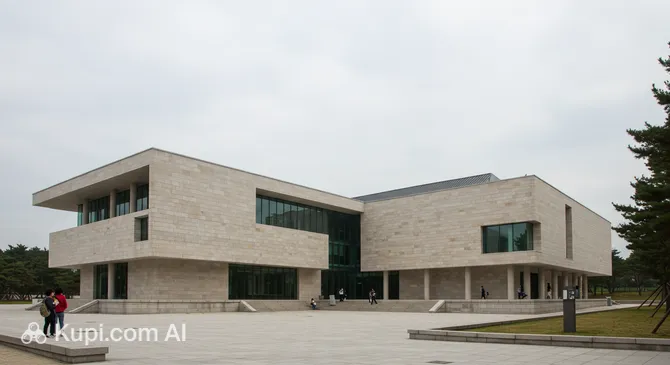
Gyeongju National Museum. Illustration.
Source: Kupi.com AI

Traveler photos:

The museum's halls house an impressive collection of artifacts, each telling its own story of Silla times. Here you will find priceless relics, from exquisite golden crowns to ancient ceramics and Buddhist sculptures, which are of immense value to Korean and world history. Recent modernization of the galleries and exhibition spaces has made viewing the collection even more comfortable and engaging for visitors.

The Gyeongju National Museum is not just a repository of antiquities. It strives to be a dynamic cultural hub, actively promoting international exchange, educational programs for all ages, and organizing various themed exhibitions. It is a place where the past, present, and future of Korean culture coexist harmoniously, offering guests a deep immersion into history and art.

Contacts

For the most up-to-date information regarding opening hours, ticket prices, and special exhibitions at the Gyeongju National Museum, it is recommended to visit its official website. You can also contact the museum directly or check details upon arrival in Gyeongju.

How to contactContact
Address186 Iljeong-ro, Gyeongju, Gyeongsangbuk-do, South Korea
Phone number+82 54-740-7500
Websitegyeongju.museum.go.kr

What to Do

Visitors to the Gyeongju National Museum can immerse themselves in the rich history of the Silla Dynasty by exploring an extensive collection of artifacts. Among the most significant exhibits is the Divine Bell of King Seongdeok the Great, majestic Buddhist statues, and mysterious petroglyphs on rock fragments. Your attention will also undoubtedly be drawn to the delicate golden jewelry in the shape of butterflies and birds, the luxurious golden crowns of the rulers, and magnificent examples of ancient Korean ceramics, which testify to the high craftsmanship of the artisans of that era.

Exploring the exhibits at the Gyeongju National Museum is a unique opportunity to gain a deeper understanding of the culture and lifestyle of the ancient Korean state of Silla. Carefully selected and professionally presented objects of art and daily life clearly demonstrate the high level of development of Silla civilization. After a recent renovation, the museum has become even more attractive and comfortable for discovering these priceless historical relics.

In addition to the main exhibition halls, the museum regularly organizes special themed exhibitions that allow for an even deeper study of specific aspects of Korean history and art. For those seeking full immersion, the Gyeongju National Museum offers various educational programs. These initiatives are aimed at developing international cultural exchange and providing lifelong learning opportunities, making a visit to the museum not only informative but also a truly enriching experience.

Getting There

Getting to the Gyeongju National Museum, located in the city of Gyeongju, is quite straightforward as it is one of the region's key attractions. The most convenient and common way is to use local public transport. Gyeongju's city bus network is well-developed and offers routes that pass near or directly to the museum.

You can use city buses heading towards the museum complex. It is best to check specific route numbers and current schedules in advance through online resources, at a tourist information center in Gyeongju upon arrival, or directly at bus stops. Generally, stop announcements on Gyeongju public transport are made in both Korean and English, which significantly eases navigation for international tourists.

An alternative for traveling to the Gyeongju National Museum is a taxi. This is especially convenient if you are traveling in a group or with luggage. A taxi ride from the city center, Gyeongju Railway Station, or the bus terminal will be quick and comfortable, though slightly more expensive than the bus. To ensure the driver understands you correctly, you can say "Gyeongju Gungnip Bangmulgwan" (Gyeongju Gungnip Bangmulgwan), which means Gyeongju National Museum in Korean.

Nearest city: Gyeongju

History & Facts

The history of the Gyeongju National Museum dates back to the early 20th century. It all began in 1910 with the establishment of the Silla Society of Gyeongju. This organization aimed to preserve the region's rich cultural heritage associated with the ancient Kingdom of Silla. By 1913, the society was renamed the Society for the Protection of Historical Sites of Gyeongju, emphasizing its primary mission to protect priceless artifacts and monuments of the past.

A significant turning point in the museum's history occurred in 1945, after the end of Japanese colonial rule. It was then that the organization received a new status and name: the Gyeongju Branch of the National Museum of Korea. This event was an important step towards transforming the museum into an official state institution responsible for preserving the national cultural heritage. Finally, in 1975, the museum opened its doors to the general public under the name Gyeongju National Museum.

Since its official opening, the Gyeongju National Museum has never ceased its development. Its collections are constantly updated with new unique exhibits, and display methods are refined to make exploring Silla's history even more engaging and educational for visitors. In recent years, the museum has been actively working on restoring its identity, developing innovative approaches to educational programs, and improving the management of its rich resources.

Time Needed

When planning a visit to the Gyeongju National Museum, it's worth setting aside at least 2-3 hours for a brief overview of the main exhibitions. This museum is quite extensive, and its collections cover a significant period of the Silla dynasty's history and culture. During this time, you'll be able to get a general idea of the most significant artifacts, including the famous golden crowns, Buddhist sculptures, and ancient ceramics.

However, if you have a deep interest in Korean history, archaeology, or art, you might need half a day or even more to explore all the halls in detail, including the Main Archaeology Hall, the Silla Art Hall, the Wolji Palace Hall, and the Special Exhibition Hall. The museum also features an outdoor exhibition and beautiful grounds where you can see stone pagodas and other artifacts, which will also add time to your visit.

Also consider time for visiting special exhibitions if they are held during your visit, and possible educational programs. If you are traveling with children, you might need more time for interactive zones or special children's programs, if available. Overall, to truly appreciate the richness of the Gyeongju National Museum, you shouldn't rush.

Working Hours

The Gyeongju National Museum is generally open to visitors year-round; however, exact opening hours may vary depending on the season, day of the week, as well as on public holidays. Typically, museums of this level have a standard schedule, for example, from 10:00 to 18:00, but there may be extended hours on certain days or reduced hours on others. To get the most current and accurate information about opening hours, it is highly recommended to visit the museum's official website or check details at tourist information centers in the city of Gyeongju.

Regarding the need for advance ticket booking, this is also best checked on the official resource. For large and popular museums, especially during the peak tourist season or during special exhibitions, purchasing tickets online in advance may be recommended or even mandatory to guarantee entry and avoid queues. On regular days, such a necessity might not exist, but checking in advance will help you plan your visit in the best possible way.

DayOpening hours
Monday10:00 – 18:00
Tuesday10:00 – 18:00
Wednesday10:00 – 18:00
Thursday10:00 – 18:00
Friday10:00 – 18:00
Saturday10:00 – 19:00
Sunday10:00 – 19:00

Nearby

Visiting the Gyeongju National Museum is a fascinating immersion into history in itself, but exploring its surroundings can make your trip to Gyeongju even more rewarding and memorable. The ancient capital of Korea literally breathes history, and many other significant sites are located in close proximity to the museum, allowing for a comprehensive understanding of the Silla era's grandeur.

By exploring attractions near the Gyeongju National Museum, you can gain a deeper understanding of the context of the exhibits on display and see how historical artifacts relate to real places. This is a great opportunity to expand your itinerary and discover even more treasures of this unique city, often called a "museum without walls."

NameDistance
Donggung Palace and Wolji Pond0.6 km
Woljeong Bridge0.9 km
Cheomseongdae Observatory1 km
Hwangnyongsa Temple Site1 km
Hwangnyongsa History and Culture Hall1 km
Gyochon Traditional Village1.2 km
Hwangnam House1.3 km

Have you reached the end of the page?

So the route has been studied inside and out