Support

Gyochon Traditional Village

About

Gyochon Traditional Village (경주 교촌마을) is a charming historical district located on the outskirts of Gyeongju, the ancient capital of South Korea. It is a unique place where time seems to have stood still, allowing visitors to immerse themselves in the atmosphere of the past. Traditional Korean houses, known as Hanok, and everyday life elements reflecting the rich cultural heritage of the Silla era have been carefully preserved here. The village is an important cultural site that invites you to discover authentic Korean architecture and centuries-old ways of life.
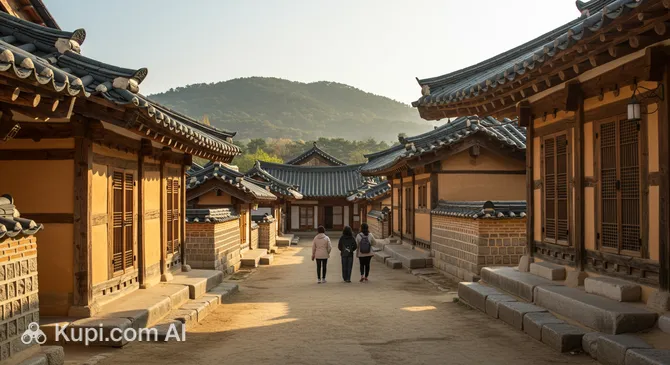
Gyochon Traditional Village. Illustration.
Source: Kupi.com AI

Traveler photos:

Walking along the cobbled streets of Gyochon Village, you can not only admire the elegance of traditional buildings but also learn more about the daily lives of Koreans in times past. Many houses are open to the public, offering a glimpse inside to imagine how noble families and simple craftsmen lived. It is not just an open-air museum but a living reminder of the region's cultural roots, where every corner tells its own story.

The main highlights of the village include the historic Choe Clan House, known for its architectural value, and the site where intangible cultural heritage is preserved—the ancient recipe for the traditional Korean liquor, Gyeongju Gyodong Beopju. Both of these sites are rightfully listed as "Important Cultural Properties" of South Korea, emphasizing their exceptional historical and cultural significance to the country. A visit to Gyochon Village is an opportunity to touch the true Korea and its traditions.

Contacts

As the Gyochon Traditional Village is an open-air historical complex, for the most up-to-date information on the opening hours of specific sites, available tours, or scheduled events, we recommend referring to the official tourism resources of Gyeongju or checking details at local tourist information centers upon arrival. There, you can also find out the most convenient ways to reach the village from different parts of the city to help plan your visit.

How to contactContact
Address39-2 Gyochon-gil, Gyo-dong, Gyeongju, Gyeongsangbuk-do, South Korea
Phone number+82 54-760-7880
Websitewww.gyeongju.go.kr

What to Do

In Gyochon Traditional Village, visitors can truly immerse themselves in the atmosphere of historical Korea. Walking through its streets provides an opportunity to see and study the features of traditional Korean architecture firsthand. You can examine the ancient houses known as Hanok, built with wooden support pillars and clay walls, and notice the characteristic architectural elements that convey the spirit of past eras.

One of the most enjoyable activities in Gyochon Village is exploring local culinary traditions. Be sure to try the traditional Korean sweets prepared according to old recipes—it's a great way to experience the authentic taste of South Korea. Additionally, you will have the chance to learn more about the ancient recipe for traditional Korean liquor, which is recognized as part of the country's intangible cultural heritage. This is a unique opportunity to experience the living traditions of the region.

Getting There

Gyochon Traditional Village is nestled on the outskirts of Gyeongju, making it relatively accessible. If you prefer organized travel, many tour companies offering trips from major South Korea cities, such as Seoul or Busan, often include this colorful village in their itineraries. This is a convenient option, as you won't have to worry about transportation or schedules.

For those planning an independent trip, local public transport is the most likely way to reach Gyochon Village from central Gyeongju. Typically, regular buses serve such traditional villages. It is recommended to check route numbers and current schedules at the nearest bus stop or the Gyeongju tourist information center beforehand. This will help you plan your visit and your return trip.

A taxi ride from central Gyeongju can also be a convenient, albeit more expensive, option, especially if you are traveling in a small group or have limited time. A taxi will take you directly to the village entrance, saving you time searching for stops and waiting for the bus.

Nearest city: Gyeongju

History & Facts

In ancient times, Gyochon Traditional Village was not just a picturesque settlement, but a true center of prosperity. Education and agriculture flourished here, and the village was primarily home to wealthy families. Consequently, the village played a key role in the cultural and economic life of the entire region, becoming a place where unique traditions and customs were carefully formed, preserved, and passed down through generations.

The historical significance of Gyochon Village is closely intertwined with the great Silla era (57 BC – 935 AD), one of the three ancient Korean kingdoms. The city of Gyeongju, near which the village is located, served as the capital of this powerful state for centuries. This fact explains the incredible wealth of historical heritage concentrated in this location, making Gyochon Traditional Village an important testament to the culture and lifestyle of that time.

Among the unique features of the village, the historic Choe Clan House holds a special place. It is not just a building, but a most valuable cultural artifact that clearly demonstrates the traditional construction methods and architectural refinements characteristic of the homes of wealthy Korean families of that era. Furthermore, Gyochon Traditional Village takes pride in preserving the ancient recipe for a traditional Korean liquor, which is also recognized as an important intangible cultural heritage of South Korea, allowing visitors to experience living traditions.

Time Needed

To fully enjoy the atmosphere of Gyochon Traditional Village, it is recommended to set aside approximately 2-3 hours. This time is usually enough to take a leisurely stroll through the entire village area, closely examine the traditional Korean Hanok houses, and explore their architectural features and interiors where possible.

During these few hours, you will also have time to try local traditional sweets, which are often offered in such villages, and fully immerse yourself in the unique atmosphere of historical South Korea. If you plan a more in-depth study, such as participating in any workshops (if available) or taking a long break at one of the on-site cafes, you might need a bit more time. However, for a general introduction and vivid impressions, 2-3 hours will be quite sufficient.

Working Hours

Gyochon Traditional Village is generally open to visitors year-round, as it is an open-air historical district. However, the operating hours of individual houses, workshops, or cultural sites within the village may vary. Typically, entry to the village territory itself is free and does not require advance booking. Nonetheless, if you plan to attend specific workshops or events that may be held there, it is worth checking if prior registration is necessary.

For the most accurate and up-to-date information on the opening hours of all facilities within Gyochon Traditional Village, as well as any possible schedule changes, it is highly recommended to visit the official Gyeongju tourism website or contact local tourist information centers upon arrival. This will help you plan your visit in the best possible way and avoid any inconvenience.

Open 24 hours

Nearby

A visit to Gyochon Traditional Village is a fascinating journey into the past on its own, but exploring its surroundings can make your experience even richer and more multifaceted. The city of Gyeongju, the ancient capital, literally breathes history, and many other interesting sites are located nearby, complementing your impressions of the village.

By expanding your itinerary, you can gain a deeper understanding of the cultural and historical context of this amazing region of South Korea. Near Gyochon Village are other attractions, each unique and worthy of attention. Here are some located a short distance away:

This information will help you plan your time and perhaps include a few more interesting spots in your route to make your trip to Gyeongju as complete as possible.

NameDistance
Woljeong Bridge0.3 km
Hwangnam House0.6 km
Cheomseongdae Observatory0.7 km
Ryoko0.7 km
Bar Boon0.8 km
Ryomi0.8 km
Hwangnidan-gil1 km

Have you reached the end of the page?

So the route has been studied inside and out