Support

Lithuanian Sea Museum

About

The Lithuanian Sea Museum is one of the most vibrant and visited attractions not only in Klaipėda but in all of Lithuania. This unique complex is located at the northernmost point of the Curonian Spit, within the grounds of the historic 19th-century Kopgalis defensive fortress. Every year, it attracts about half a million tourists wanting to dive into the mysterious world of the sea.

The museum is a multi-faceted space where everyone will find something for themselves. It combines a large aquarium with inhabitants of fresh, Baltic, and tropical waters, the only dolphinarium on the eastern coast of the Baltic, as well as exhibits dedicated to the history of seafaring and fishing. Visitors can see playful penguins and seals, as well as significant historical artifacts, including old fishing vessels and a collection of anchors.
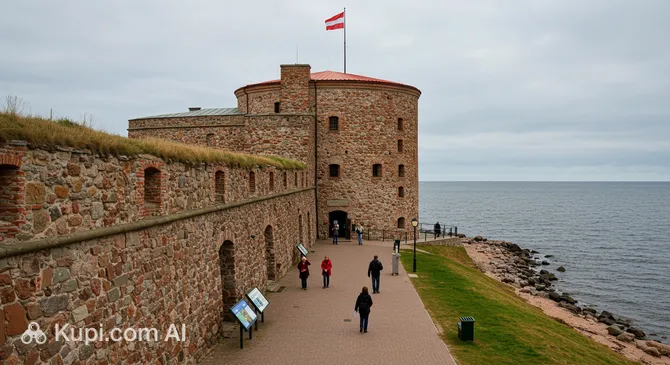
Lithuanian Sea Museum. Illustration.
Source: Kupi.com AI

Traveler photos:

The museum's location in the restored "Nerija" fort gives it a special atmosphere. Powerful brick walls and casemates blend harmoniously with modern exhibition technologies, creating an unforgettable experience. A walk through the fort grounds, surrounded by the nature of the nature reserve, becomes a fascinating journey into the maritime history and nature of the Baltic region in itself.

Contacts

To plan your visit, check the dolphinarium performance schedule, or learn about temporary exhibitions, it is recommended to contact the museum administration directly. All up-to-date information is available on the official resources of the Lithuanian Sea Museum.

How to contactContact
AddressSmiltynės g. 3, 93100 Klaipėda, Lithuania
Phone number+370 659 61497
Websitemuziejus.lt

What to Do

A visit to the Lithuanian Sea Museum is an immersion into a wonderful underwater world. Guests can expect numerous aquariums featuring a rich collection of inhabitants: from freshwater and Baltic fish to exotic marine animals. The enclosures with seals and sea lions are particularly popular. The crown jewel of the exhibition is the modern aquarium, opened after reconstruction in 2017. Its main feature is the 18-meter acrylic tunnel; walking through it, you can observe marine life as if you were right on the seafloor.

In addition to observing marine fauna, the museum offers other engaging activities. One of the main draws is the dolphinarium, where regular spectacular performances featuring dolphins and sea lions delight both children and adults. For those interested in history, the grounds of the old fortress house exhibits dedicated to seafaring. Here, you can see real fishing boats, ship models, ancient navigational instruments, and other maritime artifacts. Furthermore, the museum often hosts interactive educational programs and themed exhibitions for visitors of all ages.

Getting There

The Lithuanian Sea Museum is located in a picturesque spot at the very edge of the Curonian Spit, in the Kopgalis area, about 7 kilometers from the center of Klaipėda. Since the museum is separated from the main part of the city by water, the primary way to reach it is by ferry. Ferries run regularly between the city and the spit, turning the trip into a pleasant sea voyage.

After crossing by ferry, you have several options to continue your journey. You can walk to the museum while enjoying the fresh sea air and views—there are comfortable walking paths along the shore. Alternatively, you can take a local bus or rent a bicycle, which allows you to reach your destination faster while exploring the surroundings. This final leg of the journey is itself part of a fascinating introduction to the nature of the Curonian Spit.

If you are traveling by car, please note that access to the spit may be restricted. It is most convenient to leave your car in a designated parking lot on the Klaipėda mainland, from where a passenger ferry service is also available. During the summer season, when the flow of tourists increases, the frequency of ferries and other transport grows, making the trip to the museum as comfortable as possible.

Nearest city: Klaipeda

History & Facts

The history of the Lithuanian Sea Museum is inextricably linked to the history of Klaipėda itself and its strategic location. The museum was founded in 1979, but its "home"—the restored Kopgalis Fortress—has a much longer history. This fort was built by the Germans in the 19th century to protect the port of Memel (the former name of Klaipėda) at the entrance to the Curonian Lagoon. Thus, the site that attracts tourists today originally served as an important defensive facility.

During World War II, the fort was partially destroyed and remained abandoned in the post-war decades. A new life for the ancient walls began in the 1970s when a large-scale restoration project was launched. It was then decided to transform the former military fortification into a unique museum complex dedicated to the maritime history, ecology, and culture of Lithuania. This project not only preserved a historical monument but also created a new point of attraction.

Since its opening, the museum has been constantly developing. A landmark event was the opening of the dolphinarium in 1994—the first and only one on the entire eastern coast of the Baltic Sea. In 2017, the complex underwent a major reconstruction: the aquariums were fully updated, modern interactive exhibits were introduced, and an impressive acrylic tunnel was added, allowing visitors to be surrounded by marine life. These innovations have turned the museum into one of the most modern and visited cultural centers in the region.

Time Needed

When planning a visit to the Lithuanian Sea Museum, you should expect that a full exploration will take up a significant part of the day. To see all the exhibits without rushing, including the aquarium and the historical section in the fort, attend a show at the dolphinarium, and walk around the grounds, it is recommended to set aside at least 3–4 hours. This amount of time will allow you to fully enjoy all aspects of this unique complex in Klaipėda.

The visiting time can be distributed as follows: touring the main museum exhibition and the aquarium takes about an hour and a half on average. The dolphinarium performance lasts approximately 35-40 minutes, but it is worth arriving a bit early to get good seats. Another 45 minutes can be dedicated to the ethnographic fisherman's homestead and the open-air display of old vessels. If you are short on time, you can focus only on the aquarium and dolphinarium, which will take about 2–2.5 hours; however, for a full immersion into the atmosphere of this place in Lithuania, it is better not to rush.

Working Hours

The Lithuanian Sea Museum is open to visitors year-round, but its opening hours depend heavily on the season. In the summer months, the museum and aquarium are generally open daily, usually from 10:30 AM to 6:00 PM or 6:30 PM. In the off-season and winter, the schedule may change, and the museum often switches to a reduced schedule, opening only on certain days of the week (for example, Friday to Sunday). Before planning your visit, it is highly recommended to check the current opening hours on the official museum website.

While pre-booking tickets is not always mandatory, it is better to purchase tickets online in advance during the peak tourist season or for popular dolphinarium performances. This will not only save you time by avoiding ticket counter queues but also guarantee you a seat at your desired session, as tickets for dolphin shows are in high demand.

DayOpening hours
MondayClosed
TuesdayClosed
Wednesday10:30 – 18:00
Thursday10:30 – 18:00
Friday10:30 – 18:00
Saturday10:30 – 18:00
Sunday10:30 – 18:00

Nearby

A visit to the Lithuanian Sea Museum is just the starting point for experiencing the unique atmosphere of Klaipėda. Its location on the picturesque Curonian Spit offers wonderful opportunities for further exploration. A walk around the area will allow you to dive deeper into the history and nature of this amazing region, complementing your museum experience with new discoveries.

There are several interesting places near the museum that are worth your attention. To help you plan your route more easily, we have prepared a list of the closest attractions along with the distance to them.

NameDistance
Lithuanian Sea Museum and Dolphinarium0.2 km
Smiltynė Beach0.9 km
Minimelts Park1.7 km
Herkus Kantas1.9 km
Museum Ship Sūduvis2 km
Black Ghost2 km
Resurrection Square2.1 km

Have you reached the end of the page?

So the route has been studied inside and out