The Museum of the Second World War in Gdansk is one of the most modern and large-scale cultural institutions in Poland and all of Europe, dedicated to the history of the greatest armed conflict of the 20th century. Opened to the public in 2017, the museum quickly became a landmark site not just for the city, but for the whole world, offering a deep and multifaceted reflection on the events of those years. It is located on the banks of the Motława River, near the historic center of Gdansk.
The museum building itself is a powerful architectural statement. Designed by the Polish firm "Kwadrat," its main feature is a 40.5-meter leaning tower, symbolizing the destructive force of war. Most of the main exhibition, spanning over 5,000 square meters, is located underground at a depth of 14 meters, creating a special atmosphere of immersion into the past. The total area of the museum complex reaches 35,000 m², making it one of the largest exhibitions on this subject in the world.
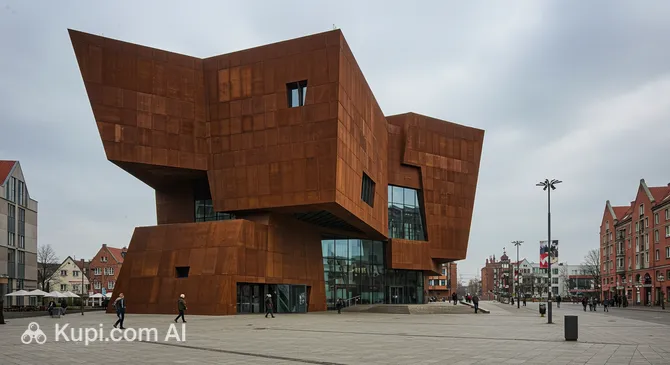
Traveler photos:
The museum's exhibition tells the story of the war from a global perspective, focusing not only on military actions but also on the fate of the civilian population. The narrative is divided into three main parts: "The Road to War," "The Terror of War," and "The Long Shadow of War," which sequentially reveal the causes, course, and long-term consequences of the conflict. Visitors can expect not only thousands of unique artifacts and documents but also impressive reconstructions, interactive installations, and personal stories of eyewitnesses, making a visit to the museum a truly educational and emotionally resonant experience.