Support

Westerplatte

About

Westerplatte is an iconic historical site located on a peninsula on the Baltic coast at the mouth of the Martwa Wisła, near the city of Gdansk. This memorial complex in Poland is of immense significance and is a must-visit for anyone interested in European history. Once a resort, today Westerplatte is primarily known as a symbol of resilience.
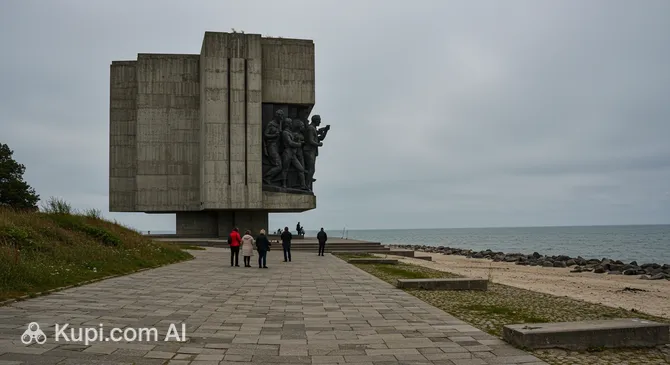
Westerplatte. Illustration.
Source: Kupi.com AI

Traveler photos:

The territory of the peninsula, which is open to visitors year-round, preserves the ruins of Polish barracks and military fortifications that serve as silent witnesses to the past. The central element of the complex is the majestic Monument to the Coast Defenders, which towers over the area as the primary symbol of the site. Walking through the park and viewing the remains of the fortifications creates a special, ascetic atmosphere.

A visit to Westerplatte is more than just a sightseeing trip; it is an opportunity to connect with an important chapter of history. This place leaves a deep impression and encourages reflection, offering visitors a unique experience that stands apart from standard tourist routes. For the convenience of visitors, a special tourist trail has been laid out across the peninsula, leading to the most significant sites.

Contacts

Since Westerplatte is an open-air memorial complex, it doesn't have a single contact center such as a phone number or email address. The easiest way to reach the peninsula from the center of Gdansk is by using city bus routes 106 or 138, which run regularly. Additionally, during the tourist season, you can reach Westerplatte by boat, turning the trip into a scenic maritime excursion.

How to contactContact
Address80-001 Gdańsk, Poland

What to Do

Visiting Westerplatte is, first and foremost, a walk through an extensive open-air park area where every site tells its own story. Visitors can explore the preserved ruins of Polish barracks and defensive structures that serve as tangible evidence of past events. The massive concrete ceilings with traces of shelling are particularly impressive, allowing you to witness firsthand the intensity of the fighting that took place here. For convenience, walking routes have been established and informational signs installed to introduce the history of the memorial.

The central feature of the complex is the majestic Monument to the Coast Defenders, set atop an artificial hill. This monumental structure is visible from afar and serves as the main symbol of Westerplatte. An interesting detail: the hill at the base of the monument is planted with wild rose bushes with bright red fruits, symbolizing the drops of blood of the fallen defenders. In addition to exploring the ruins and the monument, visitors can walk along the scenic coast, which offers views of the Gdansk Bay, adding a contemplative note to the visit.

Getting There

A trip to the Westerplatte memorial complex can be a small adventure in itself, as the routes leading to it are quite scenic. The most impressive way to get there from the center of Gdansk is a water cruise on a tourist boat. These vessels, often styled as historic galleons, depart from the Motława River embankment. The journey by water is an excursion in its own right: you will see port cranes, shipyards, and industrial areas of the city from a unique perspective. A one-way trip takes about 40-50 minutes.

For those who value practicality and speed, land transport is ideal. City buses provide a quick and budget-friendly connection to the peninsula, with the journey from the city center taking approximately 20-30 minutes. If you are traveling by car, you can easily reach the memorial via a convenient road. There is a parking lot near the complex, making this option particularly convenient for tourists who prefer freedom of movement and like to plan their own routes.

Many experienced travelers recommend combining modes of transport for the best experience. For example, you can take a boat to Westerplatte while enjoying views of the Gdansk Bay and return to the city by bus. This allows you to enjoy an exciting sea trip while saving time on the way back.

Nearest city: Gdansk

History & Facts

The history of Westerplatte is rich with events reflecting the complex political changes in Europe. At the end of the 18th century, from 1772 to 1807, the peninsula belonged to Prussia, then briefly became part of the Republic of Danzig, and in 1814 officially became part of the city of Gdansk, known then as Danzig. This period laid the foundation for the future strategic importance of this small strip of land on the Baltic coast.

Key changes occurred after World War I, when Gdansk was granted the status of a Free City under the League of Nations' protection in 1920. Under these new conditions, on March 14, 1924, Poland gained approval to establish a transit military depot on Westerplatte. By January 18, 1926, the first unit of the Polish garrison arrived on the peninsula, marking the beginning of a new chapter in the site's history.

As tensions rose in Europe during the 1930s, so did the strategic importance of Westerplatte. In March 1938, after a demonstrative passage of a German squadron past the peninsula, the decision was made to reinforce the garrison, increasing its strength from 88 to 210 men. These events culminated in a heroic defense held by the Polish garrison from September 1 to 7, 1939, against significantly superior forces. Those seven days forever inscribed Westerplatte into world history as a symbol of resilience and courage.

Time Needed

For a thorough visit to Westerplatte, it is recommended to set aside approximately 2–3 hours. This time is sufficient to take a leisurely stroll through the entire memorial park, explore the ruins of old barracks and fortifications, and reach the main site—the majestic Monument to the Coast Defenders. This allows you to fully experience the unique atmosphere of this historical site without rushing, while reading the information boards located along the tourist route.

When planning your visit, be sure to account for travel time, as it can significantly affect the total duration of your trip. For instance, if you choose to reach the peninsula by tourist boat from the center of Gdansk, the journey becomes an excursion in itself, adding about an hour and a half for the round trip. On the other hand, if you are short on time, you can complete your visit in an hour by focusing only on the key landmarks. For those deeply interested in history, a visit may take more than three hours.

Working Hours

The memorial complex Westerplatte is an open-air historical zone, so access to the peninsula itself is open to visitors year-round and generally at any time of day. Entry to the memorial park is free, allowing you to walk freely along the historical trails and view the ruins and the Monument to the Coast Defenders at your own pace. No advance booking is required for the main territory.

However, please note that there may be separate exhibition pavilions or small museums on the grounds, such as Guardhouse No. 1, which operate on their own schedules and may charge an admission fee. Their opening hours may change depending on the season. Therefore, if you plan to visit not only the park but also the internal exhibitions, it is highly recommended to check the current information on opening times and ticket prices in advance on the official Gdansk tourist portal or websites dedicated to the memorial.

Open 24 hours

Nearby

Visiting the Westerplatte memorial leaves a profound impression, but exploring its surroundings will make your trip to this part of Gdansk even more fulfilling. After immersing yourself in history, you can change the pace by exploring other interesting places located nearby. Within a few kilometers of the peninsula, you'll find scenic beaches, other historical sites, and modern entertainment venues.

This part of the city offers a diverse range of leisure activities. You can continue your historical exploration by visiting an old fort or relax on the Baltic coast. Below is a list of nearby attractions that can complement your itinerary.

NameDistance
Wisłoujście Fortress1.5 km
Brzezno Beach2.1 km
Mini Zoo Papugarnia Gdańsk2.2 km
LEKKO4.6 km
Stogi Beach4.9 km
100cznia5 km
Galeria Bałtycka5.1 km

Have you reached the end of the page?

So the route has been studied inside and out