Support

County Museum of Ethnography and Folk Art

About

Located in the picturesque city of Baia Mare, the County Museum of Ethnography and Folk Art is a true treasure trove of the cultural heritage of the northern part of the country. This institution carefully preserves the traditions of the Maramureș region—one of the most distinctive and authentic areas that modern Romania is proud of.
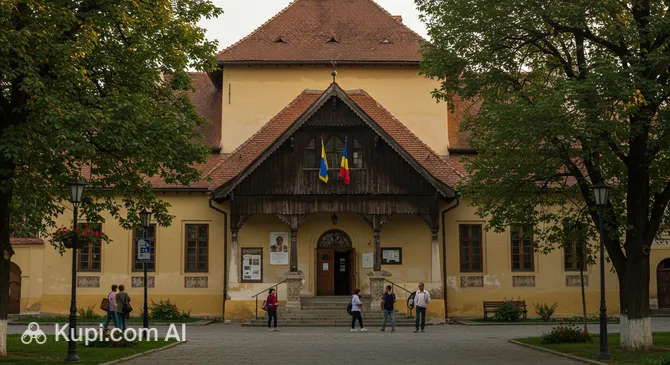
County Museum of Ethnography and Folk Art
County Museum of Ethnography and Folk Art. Иллюстрация. Источник: Kupi.com AI

The museum is a unique space where history comes to life. Its exhibitions are dedicated to the preservation and promotion of traditional folk art, crafts, and ethnographic artifacts. These are not just exhibition halls, but an important educational space that helps guests understand the complex and beautiful soul of the Transylvanian people through their material culture.

Here you can discover how people lived in this forest-rich region over the centuries. The museum is rightly considered the city's most important cultural site, attracting the attention of both researchers and ordinary tourists wishing to touch the living heritage of the past.

Contacts

To check up-to-date information about special exhibitions or to book a guided tour, you can use the institution's official contact details.

The museum is highly regarded by visitors for its rich collection, as evidenced by its high rating based on traveler reviews.

How to contactContact
AddressStrada Dealul Florilor nr. 1, Baia Mare 430165, Romania
Phone+40 262 276 895
Websitewww.etnografie-maramures.ro

What to Do

A grand tapestry of life in the Maramureș region unfolds before visitors in the museum's halls. Here you can see rare collections of folk costumes, where every pattern and color carries its own sacred meaning. The displays of household items, agricultural tools, and domestic utensils, handcrafted from wood and ceramics with incredible skill, are of immense interest.

A walk through the exhibition is not just observation, but an immersion into the world of traditional crafts. You can learn about the intricacies of woodworking, weaving, and pottery, for which the local residents have been famous for centuries. The County Museum of Ethnography and Folk Art is actively involved in museum pedagogy, so visitors are often offered interactive materials or the chance to participate in themed programs.

Special attention should be paid to the museum's event projects. It regularly hosts exhibitions of contemporary applied art, craft fairs, and folklore events that bring the institution to an international level. A visit to this place offers a rare opportunity to see authentic "living history" and better understand the worldview of the Transylvanian people.

Getting There

The museum is located at Strada Dealul Florilor nr. 1, in a scenic part of the city. Since the city of Baia Mare is a major transport hub in the northwestern part of the country, it is easy to reach by both train and intercity bus.

If you are already in the city center, the most convenient way to reach the museum is by local taxi. The ride will take only a few minutes. For those who enjoy walking, the route from the central square is also pleasant, as the museum is located near the Dealul Florilor (Flower Hill) park.

For those who prefer public transport, several city bus routes stop within walking distance of the institution. If you are traveling by car, it is recommended to use the GPS coordinates 47.6659234, 23.5765975 for precise navigation to the museum's parking area.

Ближайший город: Baia Mare

History & Facts

The history of the site where the County Museum of Ethnography and Folk Art stands today is inextricably linked with the rich past of the city itself. The first written mentions of Baia Mare date back to 1328 under the poetic Latin name Rivulus Dominarum ("Ladies' River"). Since ancient times, this region has been famous for its gold and silver mines, making it a strategically important center.

An interesting historical turn occurred in 1411, when Emperor Sigismund granted the city and its surroundings to the famous Hunyadi family. This provided a powerful boost to the development of local culture and architecture. At the end of the 19th century, the city became a magnet for the creative intelligentsia: in 1896, a colony of Hungarian artists settled here, whose legacy is still considered one of the most important chapters in Central European art.

The museum itself was established to safeguard the unique traditions of the Maramureș region from disappearing. Within its walls are preserved testimonies of how, over centuries, local craftsmen turned ordinary household items into true masterpieces of folk art using wood, clay, and homespun fabrics. The exhibition clearly demonstrates the continuity of generations and the deep respect the region's inhabitants have for their roots.

Time Needed

When planning your visit, expect a standard tour of the museum's main halls to take about 1.5–2 hours. This is plenty of time to leisurely examine the details of the costumes, study the craft tools, and get a feel for the atmosphere of old-fashioned life.

If you are an ethnography enthusiast or have a professional interest in folk crafts, we recommend setting aside 2 to 3 hours. The museum often hosts temporary exhibitions and educational programs that may take extra time but will provide a much deeper understanding of Maramureș culture.

Working Hours

Currently, it is recommended to check the museum's exact opening hours directly before your visit. The operating schedule may change depending on the season, as well as due to restoration work or the preparation of new exhibitions.

To ensure your trip goes smoothly, we suggest checking the museum's official website or calling +40 262 276 895 before setting out. Keep in mind that the museum may be closed on certain public holidays and maintenance days.

Nearby

After visiting the ethnographic exhibition, it is worth taking the time to walk around the surrounding area. The museum's location allows easy access to many of the city's iconic sites, each revealing a new facet of the region's history.

Exploring the central districts and park areas of Baia Mare will significantly enrich your experience, allowing you to see the contrast between the rural heritage of Maramureș and the architectural face of the modern city.

NameDistance
Tom & Jerry0.2 km
Queen Marie Municipal Park0.3 km
Podul Viilor 90.6 km
Old Town (Centrul Vechi) Baia Mare0.8 km
Stephen's Tower0.9 km
La Tour Baia Mare0.9 km
Butchers' Bastion1.2 km

Reached the end of the page?

That means the route is fully explored