Support

Cuenca Cathedral

About

In the main square of the city of Cuenca stands one of the country's most unusual religious buildings — Cuenca Cathedral. This grand structure, officially dedicated to Saint Mary and Saint Julian, is considered the first example of Gothic architecture in Spain. The temple surprises with its complex architecture, where the austerity of the Middle Ages blends harmoniously with the elegance of subsequent eras.
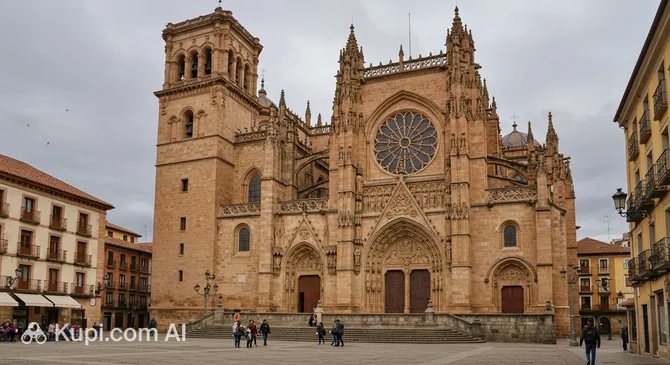
Cuenca Cathedral
Cuenca Cathedral. Иллюстрация. Источник: Kupi.com AI

Today, the cathedral is not just an active church but also a rich museum complex. Visitors are drawn to its unique Neo-Gothic facade, which makes the building stand out against the traditional architecture of Plaza Mayor. The interior of the cathedral is filled with light passing through ancient stained glass windows and decorated with numerous elements reflecting the long history of the region.

Of particular value is the cathedral treasury, which houses religious relics and masterpieces of world art. Here, you can see authentic works by El Greco and unique historical exhibits that turn a visit to the cathedral into a fascinating journey through time, revealing the cultural wealth of this corner of the country.

Contacts

For those planning a visit to this iconic site, it is important to have accurate coordinates and contact details for the administration. You can check more details on the official website or find the exact location of the cathedral on a city map. All necessary contact information is conveniently collected in the table below.

How to contactContact
AddressPl. Mayor, 16001 Cuenca, Spain
Websitewww.catedralcuenca.es

What to Do

Begin your visit to the cathedral by admiring its majestic facade. Stepping through the massive carved doors, you will find yourself in a space where every stone breathes history. Be sure to notice the high altar, created by the renowned master Ventura Rodríguez, and explore the numerous chapels, each with its own unique decorative style.

The vibrant stained glass windows, which fill the halls with a kaleidoscope of colored light, leave a particularly strong impression. If you purchase a combined ticket, you will have the opportunity to climb to the triforium — the upper gallery, which offers a unique perspective of the cathedral's interior. The admission price usually also includes a visit to the neighboring San Pedro Church, where you can climb its tower for a bird's-eye view of the entire old town.

Don't forget to stop by the Cathedral Museum. Its rooms display not only precious ecclesiastical items but also outstanding works of painting. A walk through the quiet inner cloister and a visit to the Sagrario Chapel provide a perfect conclusion to the tour, allowing you to fully appreciate the scale and artistic value of this monument.

Getting There

The cathedral is located in the heart of the old town on the central square, Plaza Mayor. If you are arriving from other regions, the most convenient way to reach the city is by high-speed train or bus from Madrid and other major Spanish hubs. From the train or bus station, you can reach the historic district on foot in about 15–20 minutes by following the signs leading uphill to the old quarters.

For those who prefer comfort, taxis are always available at the stations to take you almost to the very entrance. There are also small public buses running through the city, with routes passing through the main tourist spots. This is a great option if you want to save your energy for walking around the cathedral itself.

Drivers should keep in mind the specifics of the medieval layout: traffic in the old town is strictly limited, and narrow streets can be a challenge. It is best to leave your car in one of the city parking lots in the lower part of town and enjoy the walk up, taking in the picturesque views that open up at every turn.

Ближайший город: Cuenca

History & Facts

The history of this majestic structure began in 1182 by order of King Alfonso VIII. Construction started on the site of a former Arab mosque, serving as a powerful symbol of Christian consolidation after the Reconquista. The main works were completed in the 13th century, making the cathedral the first example of Gothic architecture on the Iberian Peninsula.

Over the centuries, the appearance of the church has constantly evolved. Its walls witness a unique blend of Romanesque, Renaissance, and ornate Baroque features. Significant changes occurred in the early 20th century following a tragic accident: lightning destroyed the bell tower and part of the facade. The restoration was led by architect Vicente Lampérez, who gave the facade its current Neo-Gothic look.

Interestingly, the cathedral's facade is still officially considered unfinished. This fact doesn't detract from the building; rather, it adds a special historical charm, reminding visitors of the monument's long and complex fate. The absence of certain decorative elements allows for a better appreciation of the structural features of Neo-Gothic design.

In 1996, UNESCO recognized the outstanding value of the entire architectural ensemble of the historic center, including the cathedral on the World Heritage list. Today, it is not just the city's main church but a vital cultural site that has preserved the atmosphere of a medieval fortified city in almost pristine form.

Time Needed

To leisurely explore all the cathedral's splendor, including its many chapels, the altar, and the courtyard, visitors usually need about 1–1.5 hours. If you plan to visit the cathedral museum and climb up to the gallery, you should set aside a bit more time in your schedule.

On average, 2 hours is the optimal period to not only study the architectural details but also to soak in the atmosphere of peace and grandeur. Keep in mind that during peak tourist seasons, there may be queues at the entrance, which is also worth considering when planning your day.

Working Hours

The cathedral's opening hours may vary depending on the season and the holding of solemn religious services. Generally, the doors are open to tourists from morning until evening, though you should account for the region's traditional siesta break in the middle of the day.

To ensure your visit goes smoothly, we strongly recommend checking the current schedule on the cathedral's official website or inquiring at the city's tourist office immediately before your visit. Remember that during services, tourist sightseeing may be limited.

Nearby

Its location in the historic center makes a visit to the cathedral the perfect starting point for further exploration of the city. Exploring the surroundings will help you dive deeper into the unique atmosphere of a place where medieval architecture literally merges with the rugged natural landscape.

Within walking distance of the church are the city's most famous symbols, including the renowned "Hanging Houses" and ancient squares. A walking tour allows you to see all the iconic landmarks without wasting time on transport.

NameDistance
Hanging Houses of Cuenca0.1 km
Taberna Jovi0.1 km
La Edad de Oro Pub0.1 km
Museum of Spanish Abstract Art0.1 km
Science Museum of Castilla-La Mancha0.2 km
San Pablo Bridge0.2 km
Mangana Tower0.3 km

Reached the end of the page?

That means the route is fully explored