Support

San Lorenzo's Arch

About

Imagine an elegant architectural bridge between the past and the present: the Arch of San Lorenzo is all that remains of a grand 13th–14th-century medieval church. Located in the historic center of Jaén, this landmark is a unique testament to how harmoniously Gothic and Islamic art can coexist in a country like Spain.
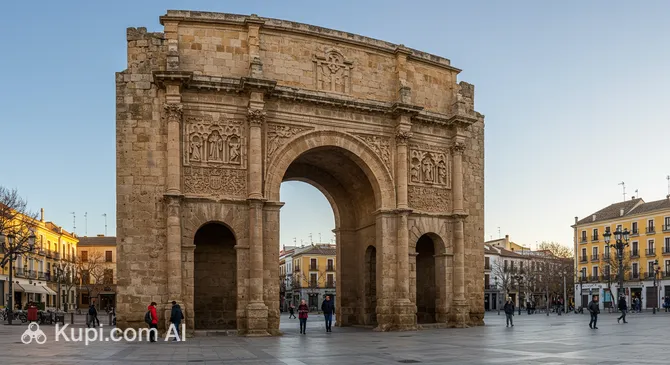
San Lorenzo Arch
San Lorenzo Arch. Иллюстрация. Источник: Kupi.com AI

The arch itself features a characteristic pointed (ogival) shape and is crafted from durable stone, but its main treasures are hidden within. Inside this small space, spread across two floors, are a chapel and a former sacristy decorated with magnificent Mudejar-style "azulejo" tiles, intricate plasterwork, and an ancient wooden ceiling known as artesonado.

Today, this site is recognized as a National Monument and serves as the headquarters for a cultural association. It draws travelers with its intimate atmosphere and the chance to see a rare example of medieval architecture that has miraculously survived amidst residential blocks.

Contacts

For up-to-date information regarding interior visits and guided tours, it is recommended to contact the municipal tourist office.

How to contactContact
AddressC. Almendros Aguilar, s/n, 23002 Jaén, Испания

What to Do

The first thing to do is to carefully examine the structure from the outside. Notice how the Gothic arch is skillfully integrated into the urban landscape. However, the most interesting part awaits you inside: be sure to look into the small Chapel of San Lorenzo on the lower level and head up to the second floor. The interior decoration is stunning in its detail—you can spend ages admiring the Mudejar ornaments and the unique wooden ceilings.

For photography enthusiasts, this place is a real find: the combination of rough stone and delicate tiles creates a beautiful backdrop for photos. There is none of the hustle and bustle of major tourist sites, allowing you to enjoy the atmosphere of medieval Jaén in peace and feel the historical charm of the old church. If you're lucky, you might catch one of the cultural events occasionally organized by the local "Amigos de San Antón" association.

Conclude your visit with a leisurely stroll through the adjacent streets of Almendros Aguilar and Madre de Dios. This is a great way to immerse yourself in the city's daily life, combining a visit to the monument with an exploration of the authentic architectural style of the local old quarter.

Getting There

This landmark is located in the heart of the historic district. If you are already exploring the center, the Arch of San Lorenzo is just a 10–15 minute walk from the cathedral or the main square, Plaza de la Constitución. The exact address is C. Almendros Aguilar, s/n, at the intersection with Madre de Dios Street.

For those preferring public transport, city buses serving the central area stop within walking distance. If you are arriving from other regions via Malaga or Granada airports, it is most convenient to take a train or intercity bus to the Jaén station, followed by a short taxi ride or a walk (about 2–3 km).

Please note that the streets in Jaén's historic center are quite narrow and parking is very limited. Therefore, walking or taking a taxi is the most comfortable way to reach the arch.

Ближайший город: Jaén

History & Facts

The history of this site is filled with drama and grandeur. What we see today is only a small part of the once-thriving Church of San Lorenzo, built between the 13th and 14th centuries. In 1825, due to a lack of proper maintenance, the church building collapsed. Only thanks to the determination of local residents, led by Federico de Palma y Camacho, was the arch saved from total demolition, despite complaints from skeptics who considered it a hindrance to street traffic.

The Arch of San Lorenzo is linked to the names of great rulers and prominent figures. It is believed that King Ferdinand IV "the Summoned", who died in 1312, may have been buried in this church. Also, in 1555, Maximiliano de Austria, the uncle of Emperor Charles V, was baptized here. These walls preserve the memory of a time when Jaén was an important political and religious center in the region.

Architecturally, the arch is unique because it was not originally part of the city gates or fortress walls. It was built as a structural solution to connect parts of the church and bridge a change in elevation without blocking the city street. Following a major restoration completed in 1982 under the direction of architect Luis Berges Roldán, the monument acquired its current appearance.

Since 1877, the site has held the status of a National Monument. Interestingly, the structure combines elements of a defensive bastion and a religious building—for example, the upper floor of the arch once served as a sacristy, while the lower floor was a cozy chapel that still retains the charm of medieval craftsmanship.

Time Needed

For most travelers, 30 to 45 minutes is sufficient to explore this architectural monument. This provides enough time to examine the facade, go inside (if the rooms are open to the public), admire the interiors, and take a few atmospheric photographs.

If you are a history or architecture enthusiast planning to study every tile and ancient stone, or if you manage to join a short tour led by local enthusiasts, your visit may last up to one hour. In any case, a visit to the arch easily fits into a general walking itinerary through the old town.

Working Hours

Since the Arch of San Lorenzo is part of the city's urban fabric, you can view its exterior freely 24 hours a day. It looks particularly striking in the evening under artificial lighting.

Regarding access to the interior rooms (the chapel and the upper room), there is no fixed schedule as the site is managed by a cultural association. Typically, the doors are open during daytime hours, but we recommend checking the current schedule at the Jaén tourist information center or on the official city website before your visit.

Nearby

Its location in the historic center makes visiting the arch an ideal starting point for further exploring the city's rich heritage. A walk through the narrow streets of the old quarter will literally transport you back in time, revealing one architectural monument after another.

Exploring the surrounding area will help you better understand the multifaceted history of the region, where traditions of different cultures and eras are intertwined.

NameDistance
Air Raid Shelter0.2 km
Izakaya Ajhito0.3 km
Jaén Cathedral0.3 km
Arab Baths and Villardompardo Palace0.5 km
Bagá Restaurant0.5 km
Basilica of San Ildefonso0.5 km
Castle of Santa Catalina0.7 km

Reached the end of the page?

That means the route is fully explored