Support

Sacred Heart of Jesus Monument

About

Majestically rising above the Asturias skyline, the Monument to the Sacred Heart of Jesus is more than just a religious symbol; it is one of the most striking architectural landmarks of Oviedo. This colossal stone sculpture, standing 30 meters tall, is located atop Mount Naranco, from where the Savior seems to embrace the entire regional capital with his outstretched arms.
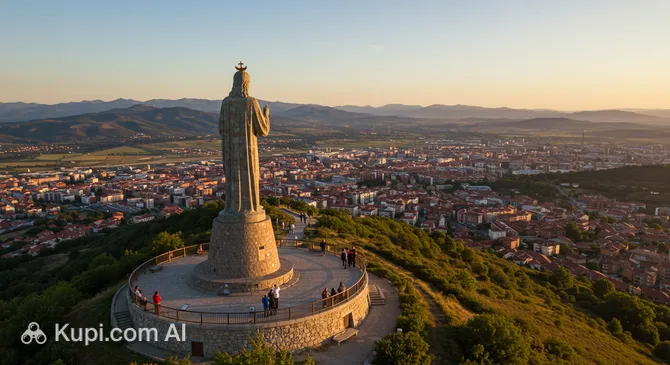
Sacred Heart of Jesus Monument
Sacred Heart of Jesus Monument. Иллюстрация. Источник: Kupi.com AI

The monument was built in Spain in the 20th century and quickly became a pilgrimage site and a popular lookout point. One unique detail is the replica of the Victory Cross — a legendary symbol of Asturias that highlights the historical significance of this location for the whole country.

Due to its monumentality and hilltop position, the sculpture often draws comparisons to the famous Christ the Redeemer statue in Rio de Janeiro. This place is imbued with an atmosphere of tranquility and spirituality, attracting both believers and panoramic view enthusiasts wishing to see the city from a bird's-eye view.

Contacts

To plan your visit, it’s helpful to have some basic contact information on hand. Although the site is outdoors and freely accessible, these official details will help you find your way up Mount Naranco. Below is the relevant contact and navigation information.

How to contactContact
AddressLugar el Pevidal, 6, 33194 Oviedo, Asturias, Spain
Phone+34 985 72 08 46

What to Do

The first reason to climb Mount Naranco is the breathtaking panoramic view. Visitors can spend hours watching Oviedo spread out at their feet, surrounded by lush green hills. It's the perfect spot for photography: the massive figure of Christ against the backdrop of the endless sky and cityscapes guarantees impressive shots at any time of year.

Besides seeing the monument itself, be sure to take a stroll through the surroundings. Just a few hundred meters away are the famous Pre-Romanesque churches, including Santa María del Naranco, built in 848. Combining a visit to the monument with exploring 9th-century ancient architecture turns a simple walk into a complete cultural and historical journey.

For nature lovers, there are trails suitable for light hiking. You can enjoy the fresh mountain air while watching the light change on the stone folds of Christ's robe depending on the sun's position, giving the monument a special artistic expressiveness.

Getting There

The monument is located on the picturesque Mount Naranco, approximately 7 kilometers from the city center. If you are traveling by private car or taxi, follow the signs for Mount Naranco (Monte Naranco); there is visitor parking at the base of the monument. A taxi ride from the center of the city takes very little time and offers maximum comfort.

For outdoor enthusiasts and those who enjoy walking, it is possible to make the ascent from the very center of Oviedo. The climb takes about 20–30 minutes depending on your pace and physical fitness, allowing you to gradually enjoy the unfolding views. There are also city bus routes that run to the mountain area, which will drop you off near the start of the main hiking trails.

Ближайший город: Oviedo

History & Facts

The history of the monument's creation began in 1950 at the initiative of Father Vega, who proposed erecting a majestic symbol of faith on the peak dominating the city. Funds for the construction were raised by the community, and in 1981, the Monument to the Sacred Heart of Jesus was officially inaugurated, becoming an expression of the deep religious devotion that swept across Spain in the 20th century.

An interesting detail is the fate of the five-meter Victory Cross, which originally crowned the sculpture's head. Due to the strong winds typical of the open summit of Mount Naranco, the design had to be altered: ten years after installation, the cross was moved to a separate pedestal next to the statue to ensure the preservation of the entire monument.

The site was not chosen by chance, as Mount Naranco holds sacred significance for the region. This is where unique 9th-century Pre-Romanesque churches have been preserved, dating back to when Oviedo was a bastion of Christianity on the Iberian Peninsula. Thus, the modern monument harmoniously combines ancient traditions with the spiritual aspirations of a new era.

Time Needed

To see the sculpture, examine the details of the Victory Cross, and take commemorative photos against the city panorama, 30–60 minutes is sufficient for most tourists. This is enough time to feel the scale of the structure and enjoy the atmosphere of the site.

However, we recommend setting aside about 2–3 hours for your visit to Mount Naranco. This will allow you to take a leisurely walk to the nearby historical churches, such as Santa María del Naranco, and fully immerse yourself in the cultural context of this unique area.

Working Hours

The Monument to the Sacred Heart of Jesus is available for visiting around the clock. It is open 24 hours a day, 7 days a week, allowing tourists to choose any convenient time for a visit, whether it's early morning or late evening.

Nevertheless, the best time for a trip is during daylight hours. This is when you can fully appreciate the scale of the sculpture and enjoy the excellent visibility necessary for high-quality photography and city panoramas.

Круглосуточно

Nearby

A visit to Mount Naranco is a wonderful opportunity for a comprehensive excursion, as real gems of medieval architecture are concentrated in the immediate vicinity of the monument. Exploring the surrounding area will allow you to dive deeper into the region's history and enjoy the natural beauty of the Asturian landscapes.

Near the monument are sites included in the UNESCO World Heritage list, making this location a must-visit for all culture enthusiasts.

NameDistance
Church of San Miguel de Lillo0.6 km
Church of Santa María del Naranco0.7 km
Salesas Shopping Center2.3 km
Basilica of San Juan el Real2.4 km
Uría Department Store2.5 km
La Foncalada2.6 km
Parkiland2.7 km

Reached the end of the page?

That means the route is fully explored