Support

Kungsträdgården

About

Kungsträdgården, which translates from Swedish as the "King's Garden," is a famous city park located in the very heart of Stockholm. It is one of the most popular public spaces in the Swedish capital, well-known among both locals and tourists. In everyday conversation, it is often affectionately called by its shorthand name — Kungsan.

The park serves as the true "green heart" of the city, offering visitors a place to relax among well-kept alleys and admire fountains and sculptures. Its central location makes Kungsträdgården an ideal spot for walks, meetings, and relaxing at one of the many outdoor cafes. In summer, it often hosts concerts and events, while in winter, it features a popular ice rink.
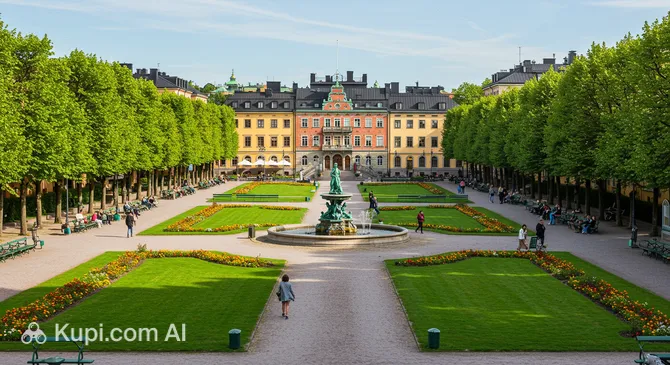
Kungsträdgården. Illustration.
Source: Kupi.com AI

Traveller photos:

Kungsträdgården is divided into several zones, each with its own character. Here you will find Molin's Fountain, squares dedicated to Kings Charles XII and Charles XIII, and other points of interest. Thanks to its versatility and picturesque nature, the park has become an integral part of Stockholm's cultural and social life, attracting guests in any season.

Contacts

Since Kungsträdgården is a public park, it does not have a dedicated visitor contact service. For the latest information on upcoming events, concerts, and the winter ice rink schedule, it is best to check Stockholm's official tourism portals. Reaching the park is very easy: it is located in the heart of the city, and the nearest metro station is aptly named Kungsträdgården (blue line). Numerous bus routes and tram No. 7 also serve the area.

How to contactContact
AddressJussi Björlings allé, 111 47 Stockholm, Sweden
Phone+46 8 508 490 30
Websitewww.kungstradgarden.se

What to Do

In Kungsträdgården, every visitor will find something to their liking at any time of year. The park is perfect for leisurely walks along picturesque alleys, relaxing by the fountains, or meeting friends at one of the many cafes with summer terraces. The area is divided into four themed sections: Charles XII Square, Molin's Fountain, Charles XIII Square, and the modern Wolodarski Fountain, each creating its own unique atmosphere.

The park takes on a special charm depending on the season. In spring, Kungsträdgården is bathed in the soft pink blossoms of Japanese cherry trees, making it one of the most photographed spots in Stockholm. In summer, this space turns into the city's main open-air stage, regularly hosting concerts, festivals, and various cultural events.

Life in the park doesn't stop when the cold weather arrives. In winter, a large outdoor ice rink is set up here, becoming a magnet for active leisure enthusiasts. Additionally, you can visit art exhibitions and small galleries within the park grounds. Thanks to the constant city celebrations and events, Kungsträdgården remains one of the liveliest and most dynamic corners of the capital all year round.

Getting There

Thanks to its location in the very heart of Stockholm, reaching Kungsträdgården is incredibly easy. The most convenient way is by public transport. Right next to the park is the Kungsträdgården metro station, which is the terminus for the blue line (routes 10 and 11). This is not only the fastest but also an interesting way to arrive, as the station itself is famous for its unique artistic design. Additionally, numerous bus and tram routes stop in the immediate vicinity, making it accessible from almost anywhere in the city.

For those who prefer walking, the route to Kungsträdgården is also straightforward. For instance, a stroll from the Old Town (Gamla Stan) takes only a few minutes and crosses the picturesque Strömbron and Norrbro bridges. If you are traveling by car, there is paid parking available in the city center, though it is worth noting that spaces are limited. Therefore, for convenience and to save time, using public transport is highly recommended.

Nearest city: Stockholm

History & Facts

The history of Kungsträdgården dates back to the Middle Ages, and its transformation reflects the history of Stockholm itself. The site was first mentioned in chronicles in 1430, not as a park, but as the "King's Cabbage Garden" (konungens kålgård). Here, in practical garden beds, vegetables, fruits, and medicinal herbs were grown for the royal court. For several centuries, this area remained a utilitarian kitchen garden until it gradually evolved into an enclosed pleasure garden for the monarchy, designed in the then-fashionable Baroque style.

The turning point in the garden's history came in the 19th century when it began to transition into a public space. In 1821, following the unveiling of the monument to King Charles XIII, part of the park was converted into a square. After a major fire destroyed the neighboring Makalös Palace in 1825, the park expanded to the waterfront and quickly became one of the main centers of social life in the capital. It was then that Kungsträdgården began to take on the features we recognize today: in the 1860s, trees were actively planted to create shaded alleys.

One of the park's symbols became the famous bronze Molin's Fountain, installed in 1873. Originally created in plaster for the 1866 exhibition, it was so well-loved by the townspeople that they decided to cast it in bronze and keep it permanently. In the 21st century, the park was refreshed again: new lime trees were planted to replace old ones, and modern pavilions for cafes were built, making this historical site even more comfortable for residents and visitors alike.

Time Needed

To fully enjoy the atmosphere of Kungsträdgården, a typical visitor should set aside one to two hours. This is plenty of time to take a leisurely stroll through its famous alleys, relax by the fountains, take photos, and feel the rhythm of this iconic spot in the center of Stockholm. Such a walk will give you a good general impression of the park and its main areas.

However, if your plans include more specific activities, your stay might be longer. For example, if you want to sit at one of the many outdoor cafes, allow an extra hour. During festivals or concerts, for which the park is famous in the summer, you could easily spend half a day here. In winter, Kungsträdgården transforms into a popular ice rink, and if you plan to go skating, this will also take more time than a simple stroll.

Working Hours

Kungsträdgården is an open-air public space, so the park itself is open to the public 24 hours a day, all year round. You can come here for a walk at any time convenient for you; admission is free and no advance booking is required. This makes it an ideal spot for a spontaneous break in the heart of the city.

However, it is worth noting that the opening hours of the facilities located within the park—such as cafes, art galleries, and the outdoor ice rink—may vary depending on the season and the specific establishment. For example, the ice rink typically operates from November to March, while cafe terraces are open during the warmer months. To get the most up-to-date information on opening hours or event schedules, it is recommended to check Stockholm's official tourism websites.

Nearby

Visiting Kungsträdgården is a wonderful way to begin exploring Stockholm, but to make your experience even richer, it's worth exploring the surrounding area. Thanks to the park's central location, many key attractions of Sweden's capital are within walking distance.

Just a few steps from the green alleys, you will find historical buildings, world-class museums, and iconic squares. This proximity makes it easy to combine a relaxing break in the park with a rich cultural program, creating a complete and memorable itinerary through the heart of the city.

NameDistance
Bank Hotel0.2 km
The Royal Palace0.5 km
Nationalmuseum0.5 km
Stortorget0.7 km
Nordic Light Bar0.8 km
Moderna Museet0.9 km
Fasching0.9 km

Reached the bottom of the page?

Looks like you know this route inside out