Support

Dibba Al Fujairah

About

Dibba Al-Fujairah is a picturesque resort town, a true oasis on the east coast where the majestic Hajar Mountains meet the turquoise waters of the Indian Ocean. Located on the border with the Sultanate of Oman, this town in the UAE possesses a unique charm, combining natural splendor with a calm, peaceful atmosphere that is quite different from the hustle and bustle of major metropolises.

With a population of around 26,400, Dibba remains a cozy and intimate place, ideal for a reset. It enjoys a special microclimate softened by the sea breeze, and its geographical position at the crossroads of cultures gives the town a unique flavor. The rich history of Dibba Al-Fujairah, rooted in ancient times, makes walks through its surroundings not only pleasant but also educational.
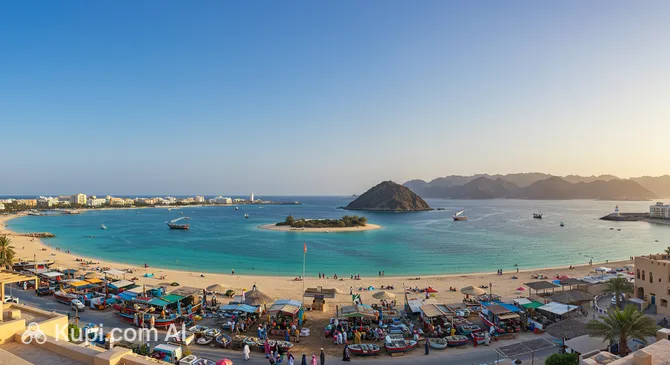
Dibba Al Fujairah. Illustration.
Source: Kupi.com AI

Travelers come here primarily for the amazing water sports opportunities. The coastline is famous for its crystal-clear water and rich underwater world, making the town one of the best centers for diving and snorkeling in the region. In addition to beach holidays, mountain hiking is popular here: trekking routes offer breathtaking views of canyons and the sea, attracting photographers and nature lovers.

Dibba Al-Fujairah is a place where you can slow down the rhythm of life, enjoy authentic Arabian culture, and connect with nature. Whether it's a relaxed holiday on a white sand beach or an active adventure in the mountains, this hospitable town will provide you with warm memories and a desire to return again.
Weather Overview

The climate in Dibba Al-Fujairah is typical for the region: sunny and arid, but proximity to the sea and mountains makes the air a bit fresher than in the desert regions of the country. The tourist season traditionally falls during the winter months when the summer heat subsides. The coolest month is January with an average temperature of around 18.9°C; nights can be fresh (down to 15.8°C), while days are pleasant and warm (up to 22.0°C). It is in winter that the probability of precipitation is highest, although rain is rare here: about 4 rainy days are recorded in January.

Summer in the town is hot and practically without precipitation. Starting from May, the temperature rises rapidly, peaking in June and July, when average figures stay at 33.2°C, and the daytime maximum can reach 37.0°C. Between May and October, there is almost no rain. Expect a hot, dry summer and a mild, comfortable winter with rare, short-lived rainfall.

The shoulder seasons are also great for a holiday. In March, the air warms up to a comfortable 22.5°C, and in November, the average temperature is around 24.4°C, which is ideal for beach holidays and excursions. To choose the best time for your trip and pack properly, we recommend checking the detailed weather in Dibba Al-Fujairah by month in advance.

Average monthly temperature

Average monthly precipitation

Interesting Facts

Beyond the main attractions and beach holidays, Dibba Al-Fujairah holds many fascinating secrets that reveal the city from a new perspective. Here are a few facts to help you better understand the spirit of this place:

  • Ancient Trading Port. The area has been inhabited long before the emergence of modern states. Archaeological finds indicate that an important port existed here as far back as the Bronze Age, serving as a link on the trade route between India and Arabia.

  • Pirate Legends. Among the locals, there are tales of sea marauders who used the coastal caves as reliable hideouts in ancient times. It is said that their treasures might still be hidden within the rocky labyrinths.

  • Underwater World. One of the natural gems is Dibba Rock. This spot attracts divers from all over the world for the chance to swim with sea turtles and see reef sharks in their natural habitat.

  • Healing Waters. Thanks to its unique location at the foot of the mountains, the outskirts of the town are known for their hot mineral springs. Local residents believe in their healing power and often come here for health treatments.

  • Picnic Culture. The townspeople cherish traditions of family relaxation in nature. On weekends, green zones like Dibba Al Hisn Public Park become centers of social life where picnics are held and sunrises are greeted.

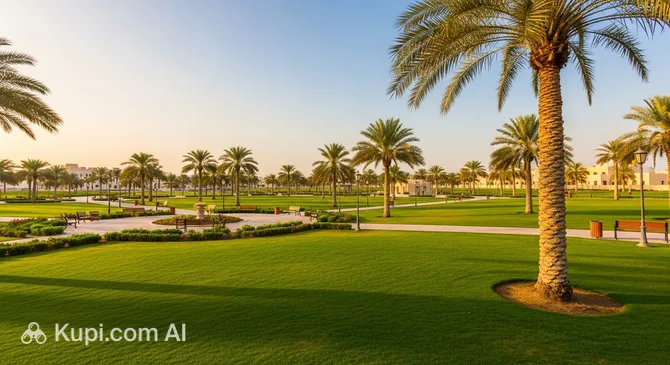
Dibba Al-Hisn Public Park. Illustration.
Source: Kupi.com AI

Traveler photos:

How to Get There

When planning a trip to the East Coast of the Emirates, we recommend studying all the ways to get to Dibba Al-Fujairah in advance. Since the town does not have its own airport, the main flow of tourists arrives through the airports of neighboring emirates, continuing the journey by car or bus.

The most popular option for international flights remains Dubai Airport (IATA: DXB). It is located in the city of Dubai, about 98 km from Dibba Al-Fujairah. This is the region's largest transport hub, receiving flights from all over the world. A taxi or transfer from here will take about 1.5–2 hours, depending on traffic, and will allow you to enjoy desert and mountain views along the way.

Geographically, the closest is Ras Al Khaimah International Airport (IATA: RKT). It is located in the city of Ras Al Khaimah, just 33 km from the center of Dibba. The drive from here is very short, taking about 30–40 minutes. This is an excellent choice if you are flying on a charter flight or with an airline based in that emirate.

Another convenient alternative is Sharjah International Airport (IATA: SHJ), located in the city of Sharjah, about 80 km from the destination. The taxi ride to the resort will take about 1 hour and 15 minutes. This airport is often chosen by travelers using low-cost airlines.

For convenience, here is a summary of the main airports:

AirportPassenger trafficDistance
Ras Al Khaimah International Airport661 76533 km
Al-Fujairah International175 00054 km
Khasab Airport50 00064 km
Sharjah International Airport17.1 mln81 km
Dubai Airport92.3 mln98 km

Main Attractions

Dibba Al-Fujairah is a place where nature and history act as the master architects. The town is not overloaded with monumental landmarks, but it charms visitors with its picturesque landscapes where the Hajar Mountains descend directly to the sea, and its cozy spots for relaxation. It is worth visiting for the magnificent views, the underwater world, and an atmosphere of tranquility that is hard to find in large cities.

One of the region's hallmarks is the famous Dibba Rock. This small island rising above the water near the shore has become a true mecca for diving and snorkeling enthusiasts. A unique marine reserve has formed around the rock: here you can swim among colorful coral gardens and encounter sea turtles, reef sharks, and schools of tropical fish. Even if you don't scuba dive, a boat trip around the island will provide plenty of impressions.

For those who prefer a quiet rest on land, the Dibba Al Hisn Public Park is an excellent choice. This is a green oasis in the heart of the urban area, perfect for family walks and picnics. Well-maintained paths, playgrounds, and shaded areas make it a popular spot for both tourists and locals looking to escape the daytime heat.

Dibba Al-Hisn Public Park. Illustration.
Source: Kupi.com AI

Traveler photos:

Another attractive spot is Sambraid Beach. It’s not just a strip of sand, but an entire recreational complex nestled between the mountains and the ocean. There are barbecue areas, camping spots, and shaded gazebos. The beach is famous for its calm waters, making it safe for swimming with children, while the surrounding landscapes provide an excellent backdrop for memorable photos.

History buffs should look toward the outskirts of the town, where traces of ancient fortifications remain. Although many forts have been eroded by time, the atmosphere of the old quarters and the proximity to the historic Al-Bidyah Mosque (located just a 15-minute drive south) add cultural depth to the journey. Dibba is a point where the paths of nature lovers and history explorers converge.

Local Cuisine

The gastronomy of Dibba Al-Fujairah is a harmonious blend of the Indian Ocean's generous bounties and traditional Arabic flavors. Due to its coastal location, the local menu is based on the freshest seafood, which goes straight from fishing boats to restaurant kitchens and market stalls. Here, food is not just about sating hunger but a part of the culture, reflecting the region's hospitality and history.

The main delicacy that every guest must try is Hamour (a local variety of grouper). This fish is most often grilled or fried in oil and served with aromatic basmati rice, generously seasoned with spices. Authentic flavor seekers should order Al Madrooba—a thick, hearty fish stew simmered with tomatoes, onions, and garlic, traditionally eaten with thin flatbreads. Rich fish soups with coconut milk, as well as squid and lobster, are also frequently found on menus.

The drink culture in Dibba also has its peculiarities. Due to the hot climate, fresh juices are extremely popular, especially mango and pomegranate, which are excellent for toning. The traditional way to end a meal is with a cup of strong Arabic coffee with cardamom, served with dates or baklava. It is important to remember that the UAE is a Muslim country, so alcoholic beverages are not sold in ordinary shops or street cafes; they can only be found in bars and restaurants at licensed hotels.

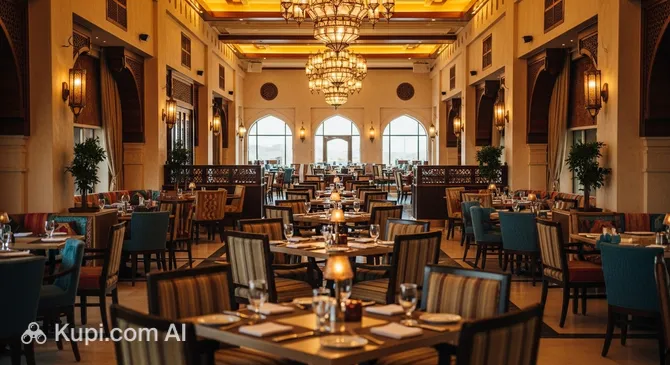
Khaber Durbar. Illustration.
Source: Kupi.com AI

Traveler photos:

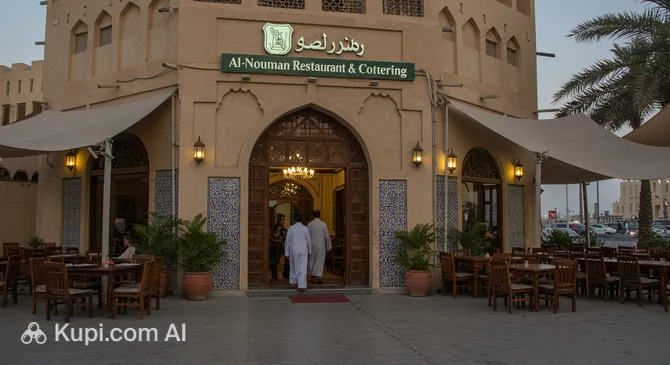
The choice of dining venues ranges from simple street kiosks to cozy family establishments. On the promenade and in the markets, you can grab a bite on the go: delicious kebabs, skewers, and flatbreads with cheese are prepared here. If you want to spend the evening in a quieter setting and get closer to the local cuisine, look at Al Nooman Restaurant and Catering or visit Khaber Durbar. These places are popular with both tourists and locals for their food quality and adherence to tradition.

The farmers' markets add a special flavor to the town's gastronomic life. It's worth coming here not just for shopping, but for the experience: to see mountains of fresh fish, breathe in the aroma of spices, and taste local honey. Additionally, Dibba Al-Fujairah periodically hosts seafood festivals where chefs compete in mastery, and guests can sample unique dishes rarely found in other parts of the country.

Travel Tips

A trip to Dibba Al-Fujairah promises to be peaceful and filled with natural beauty, but like any journey, there are nuances. To ensure your stay in this picturesque corner on the border with Oman goes perfectly, we have gathered the most important recommendations to help you plan your trip wisely and avoid awkward situations.

  1. Clothing and Essentials. Given the hot climate, favor clothes made from natural fabrics (cotton, linen). Since the UAE is a Muslim country, a dress code should be followed outside the beach and hotel: shoulders and knees should be covered. For winter evenings (December-February), bring a light sweater, as a cool breeze can blow from the sea. Important: be sure to bring water shoes ("coral shoes"), as the seabed is rocky in places and sea urchins are found.
  2. Transport. Public transport within the town is underdeveloped. The most convenient way to get around is renting a car, which gives you the freedom to explore mountain routes and wild beaches. It's best to call a taxi through the hotel reception or use local apps (though they may work intermittently in remote areas); hailing a car on the street can be difficult.
  3. Finance. The official currency is the dirham (AED). Hotels and supermarkets accept international cards (check your card's functionality abroad in advance), but cash will be needed at markets and in small shops. Currency exchange is best done at banks or official exchange offices in the center; the hotel rate may be unfavorable. Tipping is welcome, usually 5–10% of the bill.
  4. Health and Safety. Dibba is a very safe town, but the sun is active here even in cloudy weather. Always use sunscreen with a high SPF and drink plenty of bottled water. Pharmacies are available in the town center, but if you need specific medications, it is better to bring them with you. In emergencies, call 999 (police) or 998 (ambulance).
  5. Communication. Staff in the tourism sector speak English well. However, learning a few words in Arabic, such as "Shukran" (thank you), will earn you special favor from the locals. Wi-Fi is available in almost all cafes and hotels. For constant connectivity, it's more convenient to buy a local SIM card (Du or Etisalat) upon arrival at the airport, as operator offices in Dibba itself may be closed on weekends.
  6. Local Etiquette. When greeting locals of the opposite sex, do not extend your hand first—wait for a return gesture or simply nod. Photographing people (especially women) without their explicit permission is strictly forbidden and considered a gross violation of etiquette. Also, refrain from filming government and military facilities.
  7. What to Avoid. Categorically avoid consuming alcohol in public places (streets, public beaches)—it is only allowed within hotel grounds and in licensed bars. Also, refrain from showing strong affection in public (kissing or hugging), as this may cause disapproval and even lead to a fine.
  8. Additional Tip. Since Dibba is located on the border with Oman and is a popular starting point for sea cruises to the Omani fjords (Musandam), always carry your original passport with you. You will need it if you decide to go on a dhow boat trip, as the route often crosses the maritime border.

By following these simple rules, you can fully relax and immerse yourself in the atmosphere of oriental hospitality. Dibba Al-Fujairah is a place where respect for traditions opens doors to the warmest and most sincere holiday impressions.

Entertainment & Nightlife

The nightlife in Dibba Al-Fujairah has its own unique, leisurely rhythm, starkly different from the noisy parties of major cities. Here you won't find massive nightclubs with world-class DJs or bright neon signs. Instead, the resort offers an atmosphere of relaxed leisure, long dinners under the starry sky, and cozy hotel lounges. It is the perfect place for those seeking peace and quiet after a busy day in the UAE.

The main center of evening leisure is the culinary scene, where locals and tourists gather after sunset. The town's culinary map is quite diverse: from traditional Arabic dishes to spicy Indian cuisine. For example, to enjoy a hearty dinner in an authentic setting, consider visiting Al Nooman Restaurant and Catering. This place is great for experiencing regional culinary traditions. Another popular establishment with a colorful atmosphere is Khaber Durbar, where you can spend an evening in slow conversation over delicious food.

Al Nouman Restaurant & Catering. Illustration.
Source: Kupi.com AI

Traveler photos:

Regarding bars and alcohol, it is important to remember local regulations. Alcohol consumption is strictly prohibited in the town itself and in public places. However, unlike some neighboring emirates, alcohol is available to tourists in licensed bars and restaurants located within large beach hotels. This is where the "bar scene" is concentrated: live music, cocktails, and themed nights are available to resort guests and visitors who follow the dress code.

Lovers of quiet walks will enjoy the evening promenade when the streets come alive as it cools down. One of the favorite spots for family leisure is Dibba Al Hisn Public Park. This well-kept green zone is beautifully illuminated in the evenings, creating a pleasant atmosphere for late walks in a safe environment.

Practical tips for evening leisure:

  • Opening hours: Most town restaurants and cafes are open until 11:00 PM or midnight. Hotel bars may stay open longer, usually until 1:00 AM or 2:00 AM.
  • Safety: Dibba Al-Fujairah is an exceptionally safe place. Tourists can walk the streets at night without worry. Nevertheless, it is recommended to avoid unlit and deserted beach areas alone.
  • Transport: Public transport practically doesn't run at night. The best way to get to your hotel after a late dinner is to use a taxi. You can call one through the establishment's reception or hail one on the street.

In terms of daytime entertainment, the region is primarily famous for its water activities. During the day, tourists head to diving centers to explore coral reefs or visit local markets. The evening here is a time for gastronomic discoveries and contemplating nature.

Parks & Museums

Dibba Al-Fujairah may not have large-scale world-class museum complexes, but its cultural and natural heritage is equally impressive. The town offers travelers a harmonious combination of well-kept green areas for quiet relaxation and historical monuments that serve as true open-air museums, telling of the rich past of this strategically important port.

The main oasis within the town is considered the Dibba Al Hisn Public Park. This is a popular spot for both local families and tourists seeking coolness in the shade of palms. The park features thoughtful landscaping: there are convenient paths for walking and jogging, safe playgrounds for children, and picnic areas. In the evening, the park is beautifully lit, creating the perfect atmosphere for a relaxed end to the day.

Dibba Al-Hisn Public Park. Illustration.
Source: Kupi.com AI

Traveler photos:

For those who love relaxing by the water, the Sambraid Beach Park is worth noting. This is not just a beach, but a full recreational zone located between the mountains and the ocean. Here you can have a barbecue in specially equipped areas or set up a camp. Tourists are drawn here by the opportunity to combine swimming in the crystal-clear waters of the Gulf of Oman with comfortable rest in a green zone that has all the necessary amenities.

In terms of cultural immersion, historical fortifications play the role of classic museums here. Although many artifacts found in this region were moved to the main emirate museum in Fujairah City, Dibba's architecture itself is a living testimony of history. Local forts, with their traditional masonry and watchtowers, allow you to imagine what life was like in the region centuries ago when the town was an important trading hub.

The religious architecture, which is closely intertwined with history here, must also be mentioned. In the immediate vicinity of the town is the famous Al-Bidyah Mosque—the oldest in the UAE. Although technically a functioning mosque, for tourists, it represents a unique museum object showcasing ancient construction technologies using only stone and clay, without wood. Visiting this site allows you to touch the spiritual heritage of the region.

For those seeking unconventional experiences, we suggest heading to the natural "museum"—the protected marine zone around Dibba Rock. This place is interesting not only for divers: a boat trip will allow you to see the unique coral reef ecosystem protected by the state. It is a living exhibition of biodiversity available to every traveler.

Getting Around

The transport system in Dibba Al-Fujairah is significantly different from what tourists are used to in major cities like Dubai or Abu Dhabi. There is no metro, trams, or an extensive urban rail network. The town is quite compact, and public transport in the usual sense is poorly developed, so travelers should plan their movement in advance.

The main and most convenient form of transport for tourists is the taxi. Taxis operating in the Emirate of Fujairah are usually beige or white with colored roofs. All official taxis are equipped with meters, and drivers are required to turn them on when you board. Trips around town are relatively inexpensive, but for trips to remote beaches or attractions, the fare will be higher. You can hail a car directly on the street, find them at ranks near shopping centers, or call one through your hotel reception.

Regarding bus services, they are primarily oriented towards intercity travel rather than moving within the town itself. There are routes connecting Dibba with the administrative center—Fujairah City—as well as with neighboring emirates. Schedules can change and intervals can be long, so relying on the bus as your primary means of transport around the resort is not recommended. Fares for intercity buses are usually paid in cash to the driver or at the bus station ticket office.

The most popular alternative to public transport is renting a car. Given the picturesque surroundings, mountain roads, and scattered interesting locations, having your own car provides great freedom. Rental points can be found in the town itself, or you can order a car to be delivered to your hotel. You will need an international driving license and a credit card to rent.

The taxi payment system is gradually modernizing, and many cars now have bank card terminals. However, tourists are strongly advised to always have cash dirhams, especially small bills. This will avoid issues if the terminal doesn't work or the driver doesn't have change. Ride-hailing apps in this region can be unstable, so the classic way of hailing on the road or calling by phone remains the most reliable.

Bicycle rental and car sharing have not yet become widespread in Dibba Al-Fujairah and are mostly available as entertainment within large hotels and resort complexes. Walking is comfortable only during the winter period and mainly along the promenade or parks, as sidewalks are not available everywhere, and distances between sites can be significant.

Accommodation

Accommodation in Dibba Al-Fujairah is diverse, although the choice is not as vast as in Dubai or Abu Dhabi. The hotel infrastructure is clearly divided into two main categories: luxury resorts on the coast and more modest, budget hotels or apartments within the town. This contrast allows you to find a suitable option for both a romantic oceanfront vacation and an economical trip for exploring the surroundings.

The most popular and sought-after area to stay is the coastline. This is where large 4- and 5-star hotel complexes are located, offering guests private beaches, pools, spas, and a full range of entertainment, including diving. Staying in this zone is ideal for those visiting for the sea and sun. Tourists who prefer active recreation and have a car might find the town center more convenient: prices are significantly lower here, and beaches can be reached within a 10–15 minute drive.

Booking Tip: Dibba is a popular "weekend getaway" destination for residents of other emirates. Therefore, if your trip falls on a Friday, Saturday, or public holiday, it is highly recommended to book your accommodation in advance (at least 2–3 weeks). During the winter season (from October to April), when the weather is most comfortable, demand is also very high.

The price range varies from budget (inexpensive town hotels and guesthouses) to high (beach resorts with an all-inclusive system). Booking is most conveniently done through major international online platforms, which guarantees reliability and allows you to compare reviews. In some cases, especially for long stays, you can find good deals by contacting the hotel directly or renting serviced apartments.

Nearby Cities

For those looking to explore the surroundings, Dibba Al-Fujairah serves as an excellent starting point for day trips to several interesting nearby locations:

CityPopulationDistance
Khor Fakkan39 51528 km
Ras Al Khaimah115 94937 km
Al Jazirah Al Hamra10 19048 km
Fujairah93 67353 km
Kalba37 54561 km

Just an hour's drive away is Ajman—the smallest of the emirates, known for its slow pace of life and beautiful beaches. It is a great place for those who want to see an old fort museum and enjoy a walk along a cozy promenade without spending much time on the road.

A little further is Sharjah, which is rightfully considered the country's cultural capital. The city is full of museums, art galleries, and magnificent mosques. A visit to Sharjah will allow you to dive deeper into Arabian heritage and see unique Islamic architecture, including the famous Blue Souk.

For fans of thrills and skyscrapers, a trip to Dubai is the perfect choice. This metropolis offers unlimited opportunities for shopping, entertainment, and culinary discoveries. From ascending the Burj Khalifa to walking through the historical Al Fahidi district—a day in Dubai will be an unforgettable addition to your holiday.

These nearby destinations offer a glimpse into the diverse culture and landscapes of the region.

Shopping & Souvenirs

Shopping in Dibba Al-Fujairah is a calm and authentic activity, devoid of the bustle and glitz of major metropolises. The town does not claim to be a fashion capital, so you won't find luxury boutiques of international brands here. Instead, Dibba offers an immersion into the atmosphere of traditional trade, where you can purchase fresh products, essentials, and unique local items at very reasonable prices.

The commercial life of the town is mainly concentrated along the main streets and highways passing through the settlement. Small private shops are located here, offering a wide range of goods: from fabrics and ready-made clothes to electronics and Arabian perfumery. Walking through these areas will allow you not only to make purchases but also to observe the daily life of local residents.

There are no giant shopping and entertainment complexes in Dibba like those in Dubai. The role of main shopping centers is played by large chain hypermarkets, such as Lulu Hypermarket, and local cooperative stores (Co-op). In these places, you can find everything needed for a comfortable stay: food, cosmetics, beach accessories, and household items. These are modern stores with air conditioning and fixed prices.

A true attraction for gourmets are the local markets. The Fish Market deserves special attention, as fishing is a historical occupation of the region's residents. It is worth coming here in the morning to see the impressive variety of the catch from the Gulf of Oman and perhaps witness the lively bidding. No less interesting are the vegetable stalls where farmers sell seasonal fruits, greens, and vegetables grown in local oases.

As souvenirs from Dibba, tourists most often bring back gastronomic gifts. Be sure to look for various types of dates, aromatic mountain honey, and sets of oriental spices. Traditional "dallah" coffee pots, incense (bakhoor), and oil perfumes are also popular. For handmade items like rugs or ceramics, travelers often head to the famous "Friday Market" (Souq Al Juma), located on the highway near the town.

Shops usually operate from 10:00 AM to 10:00 PM, while large supermarkets may be open until midnight. On Friday, the holy day for Muslims, many shops close for midday prayer (approximately from 11:30 AM to 1:30 PM) but resume work in the evening. Bank cards are widely accepted in supermarkets and hotels, however, in markets and small shops, it is preferable to pay in cash dirhams.

The UAE has a Tax-Free system for tourists for purchases over 250 dirhams. However, it should be noted that in Dibba Al-Fujairah, fewer shops are connected to this system than in major tourist centers. If you plan major purchases and want to claim a VAT refund, be sure to check for the "Tax Free" sticker at the store entrance or ask the sellers before paying.

Reached the end of the page?

That means the route is fully explored