Support

Canal du Midi de Carcassonne

About

Immerse yourself in an atmosphere of tranquility and 17th-century engineering genius by visiting the Canal du Midi — a legendary waterway recognized as a UNESCO World Heritage site. Passing through charming Carcassonne, this section of the "South Canal" is a magnificent example of harmony between technical progress and the natural landscape. It is not just a transport artery connecting Toulouse to the Mediterranean Sea, but a true open-air work of art.
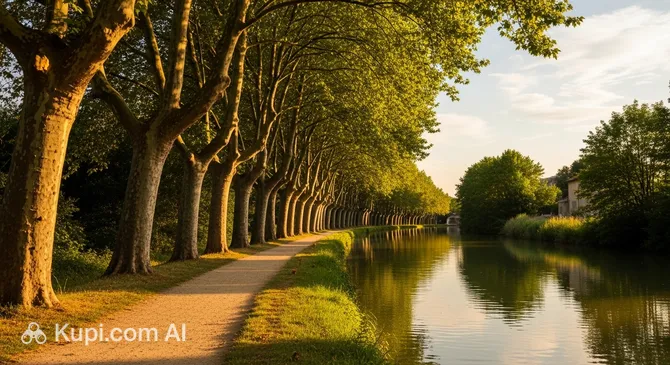
Canal du Midi (Carcassonne)
Canal du Midi (Carcassonne). Иллюстрация. Источник: Kupi.com AI

In this part of France, the country appears in all its glory: the canal is adorned with elegant oval locks, Roman-style arched bridges, and ancient aqueducts. The entire path stretches 240 kilometers, and every meter was meticulously designed by the best masters of the Sun King Louis XIV's era. Near the city, the canal bed runs very close to the historical center, allowing travelers to admire medieval silhouettes right from the embankment.

Today, the Canal du Midi is one of the most popular places for slow tourism. Time seems to slow down here under the shade of century-old plane trees planted along the banks. It is an ideal spot for those seeking solitude, interested in maritime history, or simply wishing to enjoy the aesthetics of old Europe in one of the country's most picturesque regions.

Contacts

To clarify current information about navigation or tourist services, you can contact the city's information centers.

How to contactContact
AddressCanal du Midi, 11000 Carcassonne, Франция

What to Do

The banks of this waterway offer many options for both active and contemplative recreation. One of the most popular activities in Carcassonne is renting a bicycle for a ride along special paths laid out beside the canal. You can enjoy the coolness of the water and the shade of sprawling trees while watching colorful tourist barges float slowly by.

Be sure to go on a river cruise. You can join an organized tour or even rent a self-propelled houseboat (pénichette) without a special license to feel like a captain. Passing through the locks is a fascinating sight: watching huge masses of water raise or lower a vessel never fails to delight both adults and children.

For lovers of a slower pace, a walking tour with a stop for a picnic by the water is an excellent choice. Along the canal, there are many cozy spots where you can settle down with a French baguette and cheese, admiring the reflections of the arched bridges. It is also a wonderful place for "photo hunting" — morning mist over the water or sunset glimmers on the ancient stonework of the locks create perfect shots.

Getting There

Getting to this engineering monument is easy, as it passes through the modern part of the city. If you arrive by train, you're in luck: the Gare de Carcassonne station, built back in 1857, is located literally a few steps from the embankment. The walk from the platform to the water will take no more than 5 minutes on foot.

For those starting their route from the medieval Cité fortress, the walk takes about 20–30 minutes through the picturesque streets of the lower town (Bastide Saint-Louis). You can also use local buses or rent a bicycle, which is especially convenient for moving along the shoreline. If you are traveling by car on the A61 highway, there are parking zones near the embankments.

Ближайший город: Carcassonne

History & Facts

The construction of this grandiose structure began in the second half of the 17th century at the initiative of Louis XIV. The main inspiration and engineer of the project was Pierre-Paul Riquet, who dedicated his life to realizing his dream of connecting the Atlantic and the Mediterranean. The project required colossal effort: about 12,000 workers labored to create a reservoir system in the Montagne Noire mountains to ensure the canal had water even during dry periods.

The grand opening took place in May 1681, but Riquet himself passed away just a few months before this triumph. Initially, the canal was used to transport grain, wine, and textiles. Massive 20-meter barges were pulled along the banks by horses and mules, and during its peak in the mid-19th century, cargo turnover reached scales incredible for those times.

With the advent of railways, the commercial importance of the waterway began to decline, and in 1858 Napoleon III even transferred its management to a railway company. Nevertheless, the unique architecture of the locks and bridges allowed the canal to preserve its original appearance. In 1996, UNESCO recognized it as a masterpiece of engineering and a World Heritage site.

Time Needed

For a quick acquaintance with the canal within the city and a short photo session against the backdrop of the locks, 1–2 hours will be enough. However, to truly feel the charm of this place, it is worth allocating at least half a day (about 4 hours). This will allow you to take a leisurely stroll along the bank or rent a bicycle for a ride through the shady plane tree alleys.

If your plans include a full river cruise on a sightseeing boat or renting a houseboat yourself, it's better to set aside a whole day for this visit. Combining a boat trip with a picnic by the water and a tour of the medieval fortress will be the perfect scenario for a busy tourist day.

Working Hours

The canal itself as a body of water and the walking paths along it are available for visiting around the clock and free of charge. You can enjoy a walk under the stars or watch the sunrise on the embankment at any time of year.

However, the tourist sector services have their own limitations. Sightseeing boats and boat rental points usually operate from April to October. During the high season, excursions are held approximately from 9:00 to 19:00. Before your trip, it is recommended to check the schedule on the official websites of river cruise operators, as it may change depending on weather conditions and daylight hours.

Круглосуточно

Nearby

Exploring the canal's surroundings will allow you to dive deeper into the rich history of the Occitanie region. Most key attractions are within walking distance, making the walk as rich and interesting as possible.

NameDistance
Saint Vincent Church of Carcassonne0.4 km
Place Carnot0.5 km
Museum of Fine Arts of Carcassonne0.6 km
Café de la Comedie0.7 km
Saint Michael's Church of Carcassonne0.8 km
Count's Castle1.4 km
Castle and Ramparts of the City of Carcassonne1.5 km

Reached the end of the page?

That means the route is fully explored