Support

Kumhrar Park

About

Kumhrar Park is not just a scenic place for a walk, but a true journey into the past located in the city of Patna. This unique archaeological complex in India houses the ruins of the ancient city of Pataliputra, which was once the capital of the powerful Mauryan and Gupta empires. It was here that major archaeological discoveries were made, shedding light on the greatness of one of the world's oldest civilizations.
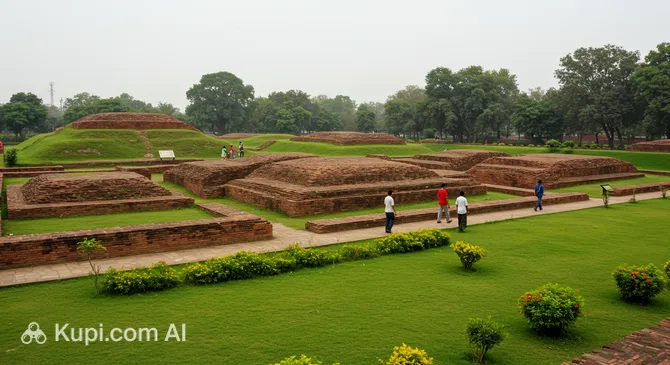
Kumhrar Park. Illustration.
Source: Kupi.com AI

Traveller photos:

Within the park, visitors can see the remains of the famous 80-pillar hall, foundations of ancient buildings, and monastic complexes. Walking among these ruins, it is easy to imagine what one of the largest and most advanced cities of the ancient world looked like. Excavations at Kumhrar have uncovered many artifacts, including pottery and building fragments, which now help historians reconstruct the picture of life in ancient Pataliputra.

This site will be a real discovery for anyone interested in history, archaeology, and culture. Visiting Kumhrar Park is a rare opportunity to personally touch the heritage of great rulers like Ashoka and Chandragupta. Located on the southeastern outskirts of the city, about 5 km from its center, the park is a must-see on the itinerary of any curious traveler.

Contacts

Since Kumhrar Park is primarily an archaeological site managed by the government services of India, finding a dedicated phone number or email can be difficult. To confirm current opening hours and visiting rules, it's best to rely on information available at Patna tourist centers. Located in the Kankarbagh area, the park is easily accessible by taxi or auto-rickshaw from any part of the city.

How to contactContact
AddressKumhrar, Patna, Bihar 800026, India

What to Do

Visiting Kumhrar Park is an immersion into the atmosphere of ancient India. The main activity here is a leisurely walk along the well-maintained paths that wind through the archaeological ruins. You can get an up-close look at what remains of the ancient city of Pataliputra. Of particular interest are the remains of the legendary 80-pillar hall, believed to date back to the era of Emperor Ashoka. Information boards and models placed throughout the site help visitors visualize this majestic structure and understand its historical importance.

Beyond the hall, visitors can see other fascinating architectural elements that testify to the high level of development of the Mauryan civilization. These include well-preserved fragments of an ancient drainage system, remains of wooden structures, and the Arogya Vihar ashram, thought to have been an Ayurvedic hospital. For those who want to understand the history of this place more deeply, guided tours are available that reveal the secrets and grandeur of the ancient capital.

Kumhrar Park is not only a historical monument but also a pleasant place to relax. Its quiet alleys are perfect for a peaceful stroll away from the hustle and bustle of the city. Many people come here for picnics or to take beautiful photos against the backdrop of the unique ancient ruins. It is a wonderful chance to combine educational leisure with outdoor relaxation.

Getting There

Getting to Kumhrar Park is quite simple, as it is located just 5 kilometers from the center of Patna. The most convenient way is to use a taxi or auto-rickshaw, which will quickly take you to your destination from anywhere in the city. For those who prefer public transport, a major transport artery, the Bhagalpur-Patna Road, passes near the park, with city buses and shared taxis running regularly.

If you are arriving in Patna by train, the park is only about 6 kilometers from the city's main railway station. For travelers flying into India via Patna Airport, the taxi ride to Kumhrar Park takes approximately 30–40 minutes, though the exact time may depend on traffic conditions. Thanks to its convenient location, this important historical site is easily accessible to all visitors.

Nearest city: Patna

History & Facts

While the fame of Kumhrar is inextricably linked to the Mauryan Empire, its history does not end there. After the fall of the Mauryas, Pataliputra remained an important center during the Gupta dynasty (4th-6th centuries AD), which is considered the "Golden Age" of India. It was during this period that the famous Chinese monk and traveler Faxian visited the city, spending three years here studying Sanskrit and copying Buddhist texts. In his notes, he described Pataliputra as a thriving city with grand palaces, temples, and free hospitals for the needy, reflecting a high level of social development.

Archaeological excavations, initiated by British experts like D.B. Spooner and continued by Indian scholars, have uncovered not only monumental structures but also many unique artifacts. Findings include exquisite terracotta figurines, beads, clay seals with various inscriptions, and a vast amount of pottery. These items offer a glimpse into the daily life, crafts, and trade relations of the ancient city. Of special note are the remains of the "Arogya Vihar" monastery, which is believed to have functioned as an Ayurvedic hospital, confirming Pataliputra's status not only as an administrative center but also as a scientific and medical hub.

Pataliputra was not just a capital, but one of the largest metropolises of its time and a major trade and educational hub of Ancient India. Its location at the confluence of the Ganges and Son rivers made the city a strategic point on trade routes, attracting scholars, philosophers, and students from across the country. Unfortunately, after the Gupta era, the city gradually declined due to floods and invasions, and by the 7th century, when another Chinese pilgrim, Xuanzang, visited, it already lay in ruins. Today’s excavations at Kumhrar Park in Patna represent the painstaking work of restoring pages of a great history, allowing us to peer into the past of this legendary city.

Time Needed

To fully enjoy the atmosphere and historical significance of Kumhrar Park, it is worth setting aside about 1.5–2 hours for your visit. This is generally enough time for a leisurely stroll through the grounds, viewing the main archaeological finds, and reading the information on the display boards. During this time, you will be able to see the ruins of the famous 80-pillar hall, the remains of ancient monasteries, and other key features that make this park in Patna so unique.

If you are deeply interested in the history of Ancient India or enjoy photography, you might want to stay longer. Hiring a guide is recommended to better understand the historical context of the ruins, which may slightly increase your total stay. In any case, even two hours will be enough to get a complete picture of this amazing place and touch the great past of Pataliputra without feeling rushed.

Working Hours

Kumhrar Park is open to visitors year-round, allowing you to experience its historical heritage at any time. According to various sources, opening hours may vary slightly, but generally, the park welcomes guests from 9:00 or 10:00 AM to 5:00 PM. It is important to remember that Monday is the official day off, and the park is closed to visitors on that day. Special advance ticket booking is usually not required; they can be purchased on-site.

Despite the set schedule, it is highly recommended to check the latest information on opening hours and possible changes on the official website of the Archaeological Survey of India (ASI) or the tourist portals of Patna before your visit. This will help avoid any misunderstandings related to public holidays or special events during which operating hours may change.

6:00 – 17:00

Nearby

A visit to Kumhrar Park is just the beginning of your journey into the rich history and culture of Patna. Exploring its surroundings will allow you to dive deeper into the atmosphere of this ancient place and see other equally significant landmarks located nearby. This is an excellent opportunity to gain a more complete understanding of the heritage of one of India's oldest cities.

The area surrounding the park offers many interesting locations, from ancient temples to the scenic embankments of the sacred Ganges River. A short walk or a brief auto-rickshaw ride will reveal new facets of this amazing region, complementing your experience of visiting the ruins of Pataliputra. Below is a list of nearby attractions worth including in your itinerary.

NameDistance
Badi Patan Devi Temple2.2 km
Gulbi Ghat2.3 km
Gai Ghat2.4 km
Gandhi Ghat2.7 km
NIT Ghat2.8 km
Ganga Ghat3.5 km
Lounge Before Wicket4.1 km

Reached the bottom of the page?

Looks like you know this route inside out