Support

Guhyeshwari Temple

About

Guhyeshwari Temple is one of the significant Hindu shrines located in Kathmandu, the capital of Nepal. This ancient temple is revered as a sacred site and attracts pilgrims interested in the region's spiritual traditions. It is an important part of the religious landscape of the Kathmandu Valley.
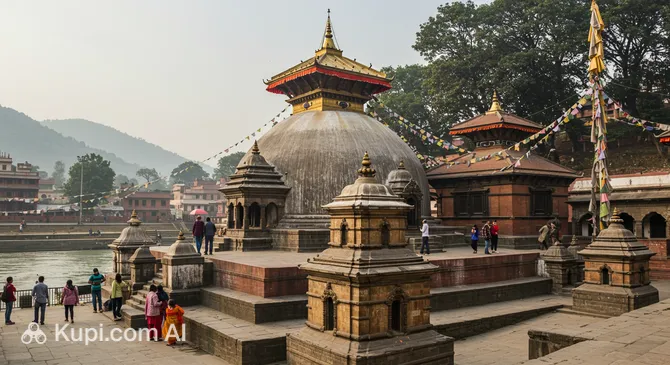
Guhyeshwari Temple. Illustration.
Source: Kupi.com AI

Traveler photos:

Guhyeshwari Temple has special significance in Newar culture and is one of the four main temples dedicated to the goddess Vajrayogini in the Kathmandu Valley. These shrines are believed to mark the main cardinal directions of the valley, and Guhyeshwari plays a key role in this system. Among the Vajrayogini temples (others are located in Sankhu, Pharping, and Bijeshwari), Guhyeshwari stands out for its atmosphere and deep connection to local beliefs.

An ancient legend about the goddess Sati, the first wife of the god Shiva, is associated with the temple. According to tradition, this is the spot where a part of Sati's body fell when she self-immolated, making it one of the shakti pithas—sacred places of power linked to the female divine principle. It is important to note that, unlike many other shrines in Nepal, access to the interior of Guhyeshwari Temple for foreign visitors is restricted, highlighting its special sanctity for followers of Hinduism.

Contacts

To find up-to-date information on opening hours, visiting rules, and contact details for the Guhyeshwari Temple, it is best to contact official tourist information centers in Kathmandu or search for information on specialized websites about Nepal.

The temple itself is located in Kathmandu, and can usually be reached by taxi or local transport, heading toward the Pashupatinath area, as it is situated near this famous temple complex.

How to contactContact
AddressP963+G93, Kathmandu 44621, Nepal

What to Do

A visit to Guhyeshwari Temple is often part of a broader pilgrimage route through the shrines of Kathmandu. For followers of Hinduism, this site offers an opportunity to connect with deep spiritual traditions, participate in rituals, and experience the special atmosphere of the sanctuary. The temple is considered a "hidden gem," and during a visit, you can learn more about its unique legends and history passed down from generation to generation.

It is important to know that access to the interior of Guhyeshwari Temple is open exclusively to Hindus. However, this does not mean that other visitors have nothing to do here. Tourists can examine the impressive exterior architecture of the temple in detail, which is itself a work of art and reflects the rich cultural traditions of Nepal. Observing the temple from the outside and learning about its historical and cultural significance within the context of the Kathmandu Valley can also be an educational experience. You can pay attention to the carving details, the overall composition of the buildings, and the surrounding atmosphere of this revered place.

Getting There

Guhyeshwari Temple is conveniently located in the capital of Nepal, Kathmandu. Its location near other significant religious sites in the city makes it an easily accessible point to include in your itinerary of shrines in the Kathmandu Valley. This allows you to combine a visit to the temple with other cultural and spiritual attractions, planning a full day.

There are several ways to reach Guhyeshwari Temple. One of the most common options is to use local public transport that runs throughout Kathmandu. This can include buses or microbuses. While this mode of transport allows for a deeper dive into local life, be prepared for busy traffic and the possible need to clarify the route with locals, as information in English may be limited.

A more comfortable and faster way to reach the temple, especially if you value your time and convenience, is by taxi. A taxi ride from central areas of Kathmandu or popular tourist zones like Thamel will not take long, but it is always better to agree on the fare with the driver in advance. You should also consider visiting the temple as part of an organized tour of the religious sites of the Kathmandu Valley. Many travel agencies offer such tours, which can be a convenient option including transfers and a guide.

Nearest city: Kathmandu

History & Facts

The history of Guhyeshwari Temple is rooted in the deep antiquity of the Kathmandu Valley, Nepal. According to ancient texts such as the "Swayambhu Purana", a vast lake once stretched across the valley. This mystical lake served as a site for the deep meditations of Buddhas and Bodhisattvas. Legend has it that the great Manjushri, during his spiritual practice, had a vision of Chakrasamvara with a great yogini. He perceived this vision as a sign that the Kathmandu Valley would become a blessed place for spiritual practice for many generations, and Guhyeshwari Temple is an integral part of this sacred heritage.

Another important layer of the temple's history is linked to the pan-Hindu legend of the goddess Sati, the first consort of the god Shiva. Tradition says that after Sati's self-immolation, parts of her body fell to earth in various places, sanctifying them and turning them into places of worship known as shakti pithas. Guhyeshwari Temple is revered as one of these sacred sites where, according to belief, a secret part of the goddess's body fell (the word "guhya" means "secret" or "hidden"). This belief not only gave the temple its name but also explains its special sacred significance, especially for followers of Shaktism—a branch of Hinduism that venerates the female divine principle.

Within the context of Newar Vajrayana Buddhism, Guhyeshwari Temple also holds a special position. It is one of the four main temples in the Kathmandu Valley dedicated to various aspects of the powerful dakini Vajrayogini. These four shrines—Guhyeshwari itself, as well as the temples in Sankhu, Pharping, and Bijeshwari—form a kind of sacred mandala, marking the cardinal points of the valley. Each of these sites is considered energetically powerful and plays an important role in the spiritual life of followers of this tantric tradition, with Guhyeshwari Temple being a key element of this sacred geography of Nepal.

Time Needed

For most visitors, especially those who do not practice Hinduism and plan to view Guhyeshwari Temple primarily from the outside, exploring its architecture and the surrounding area usually takes about 1–1.5 hours. This time is generally sufficient to appreciate the temple's exterior decor, take photos, and soak in the atmosphere of this revered site in Kathmandu.

If your visit is for pilgrimage purposes and you are a follower of Hinduism with access to the interior for rituals, your stay may be significantly longer, depending on your personal spiritual practices. For tourists whose interest is more cultural and educational, the focus will be on the exterior viewing and studying the history of the shrine, which fits within the timeframe mentioned above.

It is also worth considering that the length of your visit may depend on your individual pace and depth of interest. Some travelers prefer a quick overview, while others may spend more time observing the surroundings or simply enjoying the tranquility of the site, if conditions permit.

Working Hours

Since access to the interior of Guhyeshwari Temple is permitted only to followers of Hinduism, precise opening hours for external viewing by tourists may not always be published or strictly fixed. Hindu temples are usually open to worshippers from early morning until evening, but it is best to check specific times for access to the surrounding area for general viewing. The temple typically operates year-round.

For the most up-to-date information on the hours when you can visit the temple's surroundings, as well as possible restrictions, it is highly recommended to contact official tourist information centers in Kathmandu, check tourism websites for Nepal, or verify details on-site. Advance booking or purchasing tickets for external viewing is usually not required. Keep in mind that during major religious holidays and festivals, operating hours and access may change.

4:00 – 19:30

Nearby

A visit to Guhyeshwari Temple will certainly be a highlight of your journey to Kathmandu. However, to make your experience even more enriching and complete, it is worth paying attention to other interesting places located nearby. Exploring the surroundings will allow you to dive deeper into the culture and history of Nepal, discovering new facets of this amazing city.

Near Guhyeshwari Temple are several notable sites, each unique in its own way and deserving of your attention. This is a great opportunity to expand your program and see more than originally planned.

NameDistance
Pashupatinath Temple0.4 km
Boudhanath Stupa1.4 km
Maitidevi Temple2 km
Eyeplex Mall2.7 km
Singha Durbar3.3 km
Kathmandu Fun Park3.4 km
Children's Amusement Park3.5 km

Have you reached the end of the page?

So the route has been studied inside and out