Support

Minamiaso

About

Minamiaso is a picturesque village nestled in the south of Kyushu Island, within Kumamoto Prefecture. The town is situated right in the heart of the caldera of the majestic Mount Aso—one of the largest active volcanoes in the world. This unique geographical position makes Minamiaso a true find for nature lovers, eco-tourism enthusiasts, and those dreaming of immersing themselves in the atmosphere of authentic Japan far from the hustle and bustle of major metropolises.
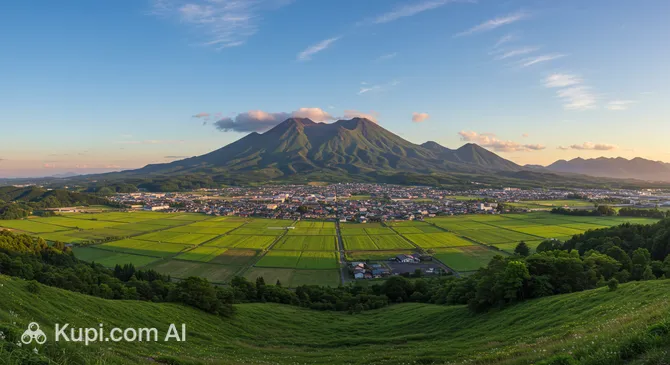
Minamiaso. Illustration.
Source: Kupi.com AI

With a population of just over 10,000, Minamiaso’s small size only adds to its charm. There is no urban rush here; instead, you’ll find a sense of comfort and unity with nature. The atmosphere in Minamiaso is special: clean air, endless fields, thermal springs (onsens), and hospitable locals.

Minamiaso is more than just a village; it is a gateway to some of the country's most beautiful natural sites. Fascinating hiking trails through the Aso-Kuju National Park start here, offering stunning views of volcanic landscapes, blooming meadows, and mountain peaks. The surrounding mountains and valleys are steeped in ancient legends, adding a touch of mystery to your journey. Beyond hiking, the region is famous for its hot springs, where you can relax after an active day.

If you are looking for a place to recharge, breathe in the purest mountain air, and see the authentic, non-touristy side of the Land of the Rising Sun, Minamiaso will be a true discovery for you. Here, time flows slower, and every day is filled with harmony and tranquility.

You can find more interesting facts on the history of Minamiaso page.

Weather Overview

The weather in Minamiaso is characterized by distinct seasonal changes. Summers, especially in July and August, are warm here, with average temperatures around 24-26°C, while maximum values can reach nearly 30°C. The summer months are also the wettest, with the highest rainfall and number of rainy days in June and July. Winters, by contrast, are cool, with average temperatures in January and December around 3-5°C, sometimes dropping to zero. There is significantly less precipitation in winter.

Overall, Minamiaso is characterized by warm and humid summers with occasional rain, and cool, relatively dry winters. Spring and autumn are transitional seasons with moderate temperatures and variable rainfall. To get more detailed information about weather conditions, you can check the detailed forecast: Minamiaso Climate.

Average monthly temperature

Average monthly precipitation

Interesting Facts

Minamiaso, nestled at the foot of the mighty Mount Aso in Japan, is more than just a picturesque village. This place holds many fascinating secrets and little-known facts that give it a special charm. Here are just a few of them:

  • Many of Minamiaso's numerous hot springs (onsens), fueled by the geothermal activity of Mount Aso, are more than just places to relax. They are believed to possess healing properties, attracting those seeking wellness and rejuvenation.

  • Mount Aso, towering over Minamiaso, is not just an impressive natural phenomenon. Local legends speak of a mountain spirit who, residents believe, protects the village and brings luck to those who treat the surrounding nature with respect.

  • In addition to traditional hiking in the scenic surroundings, Minamiaso offers more unusual types of outdoor activities. Here you can go rafting on swift mountain rivers or take a horseback ride along ancient village routes, which attracts not only tourists but also fans of active pastimes.

  • This region is a true guardian of ancient Japanese traditions. Local artisans proudly continue centuries-old techniques for cultivating rice and vegetables, as well as skilled crafts working with wood and clay, passing unique knowledge from generation to generation.

How to Get There

When planning a trip to Minamiaso, a small and picturesque settlement in Kumamoto Prefecture, it is important to think about your route in advance. You can reach Minamiaso in several ways, primarily by flying to one of the nearest major airports and then using ground transportation.

The main and most convenient option for most travelers is to fly into one of the airports on Kyushu Island. The closest to Minamiaso is Kumamoto Airport (KMJ). It is located approximately 15 km from Minamiaso, making it the ideal arrival point. A taxi ride from Kumamoto Airport to Minamiaso takes about 40-50 minutes. This major airport serves mainly domestic flights but can also handle some international charters. Its close proximity to Minamiaso is a significant advantage.

Another major transport hub to consider, especially if you are arriving on an international flight, is Fukuoka Airport (FUK). It is one of Japan's busiest airports, offering many international and domestic destinations. It is located in the city of Fukuoka, approximately 97-98 km from Minamiaso. The drive from Fukuoka Airport to Minamiaso by car or bus takes roughly 2.5 to 3 hours, depending on traffic and the chosen route. From Fukuoka Airport, you can also reach Kumamoto City by train and then take local transport to Minamiaso.

For convenience, here is a summary of the main airports that can be used for a trip to Minamiaso:

AirportPassenger trafficDistance
Kumamoto Airport2.9 mln15 km
Saga Airport600 58275 km
Amakusa73 06590 km
Oita Airport1.9 mln97 km
Fukuoka Airport24.9 mln97 km

Traveling to Minamiaso by rail is also possible using Japan's extensive railway network. Generally, this involves a ride on the Shinkansen bullet train or another express train to a major hub like Kumamoto City. From there, Minamiaso can be reached by local trains (if there is a direct connection or a line to the point nearest to Minamiaso with a bus transfer option) or by bus. It is recommended to check current routes and schedules on the official websites of Japanese railway operators, such as JR Kyushu, in advance.

In addition to air and rail travel, Minamiaso can be reached by car. Japan has a well-developed road infrastructure, and renting a car can be a convenient option for exploring the Kumamoto region at your own pace. It is also worth looking into local bus routes that may connect Minamiaso with nearby towns and stations.

Main Attractions

Minamiaso, nestled in Kumamoto Prefecture, attracts travelers with its impressive natural landscapes and rich cultural heritage. This picturesque region offers unique opportunities to explore volcanic activity, vast plateaus, and ancient shrines. Here are just a few of the key attractions that will make your trip unforgettable.

One of the main points of interest is the famous Nakadake Crater of Mount Aso. This is one of the most active volcanic craters in Japan, offering truly breathtaking and sometimes harsh, almost Martian-like landscapes. Provided volcanic activity levels are safe, visitors can walk right to the edge of the crater to see smoking fumaroles and the emerald lake at its bottom. This place leaves a lasting impression with its raw power and ethereal beauty, offering a unique experience of observing the forces of nature.

Not far from the volcano lies the scenic Kusasenri-ga-hama Plateau. This vast green plain, dotted with small lakes, often serves as a pasture for horses and cows grazing against the backdrop of Aso's majestic peaks. The plateau is ideal for leisurely walks, open-air picnics, and, of course, enjoying breathtaking panoramic views. It is particularly charming here in spring and summer, when the meadows are covered in lush greenery, and in autumn, when the grass turns golden and crimson.

For lovers of natural purity and peace, the Shirakawa Suigen Spring is a must-visit. This is the source of the Shirakawa River, famous for its crystal-clear water that gushes from the ground at a powerful rate of about 60 tons per minute! The water from the spring is considered one of the best in Japan and is popular with locals who come here to collect it. The atmosphere around the spring is filled with serenity, and the small, well-kept park nearby is a wonderful place for relaxation and meditation.

To dive deeper into the history and culture of the region, head to Aso Shrine. This is one of the oldest and most revered Shinto shrines in the country, with a history spanning over two millennia. The shrine is dedicated to the deity who, according to legend, is the founder of the Aso region. Despite damage sustained during an earthquake, the sanctuary is being actively restored and continues to attract pilgrims and tourists with its majestic ancient architecture and special spiritual atmosphere.

Local Cuisine

The gastronomy of Minamiaso is a true immersion into a world of fresh flavors and local traditions. The cuisine here is based on eco-friendly products grown on fertile volcanic soils: fragrant rice and a variety of seasonal vegetables. Travelers can look forward to authentic dishes that reflect the region's close connection with nature and its careful treatment of the earth's gifts.

Among the dishes that are a must-try in Minamiaso is yukke-dofu—the freshest tofu prepared according to ancient recipes, boasting a delicate texture and pure taste. Another pride of the local kitchen is "jidori" chicken. These birds are free-range, making their meat especially flavorful and juicy. Try grilled "jidori" chicken or a hearty traditional soup made with it and local vegetables. Light vegetable soups and salads with fresh seasonal greens are also popular.

While exploring the gastronomic scene of Minamiaso, be sure to stop by the local farmers' markets. Here you can find homemade pickles, marinated vegetables, appetizing rice cakes, and traditional sweets based on bean paste. Street food also offers plenty of variety: from fresh onigiri (rice balls with various fillings) to fried vegetables. Among drinks, the famous Japanese tea grown on local plantations deserves special attention—its rich taste and aroma perfectly complement any meal.

Dining culture in Minamiaso is closely linked to traditions and the use of the freshest local ingredients. Locals and tourists often prefer small, cozy establishments where dishes are prepared "with soul." Farmers' markets play an important role not only as a place to buy food but also as a hub for socializing. Occasionally, small gastronomic festivals are held in the village, where you can taste rare dishes, learn the secrets of local cooks, and even participate in workshops. Overall, the food scene in Minamiaso offers simple but incredibly tasty and healthy food that will be a highlight of your trip.

Travel Tips

Welcome to Minamiaso! To make your journey to this picturesque corner of Japan as comfortable and pleasant as possible, we have prepared some practical tips. They will help you navigate better and enjoy every moment of your stay.

  1. Clothing and Essentials:

    The climate in Minamiaso, like in all of Japan, depends on the season. In summer, bring light clothing and sun protection. In spring and autumn, the weather is changeable, so layering is useful. In winter, especially if you plan to walk around Mount Aso, you will need warm clothes, including a hat and gloves. Comfortable walking shoes are extremely important, as Minamiaso and its surroundings are perfect for exploring nature. Don't forget an adapter for Japanese sockets (type A, two flat pins) and a power bank. When visiting temples or shrines, it is customary to dress modestly; also remember the need to remove your shoes before entering many traditional Japanese establishments and homes.

  2. Transportation:

    Minamiaso is a rural area, so the best way to travel and explore the region is by rented car. This will give you freedom and access to the most beautiful natural spots. Ensure you have an International Driving Permit (IDP) and remember that traffic in Japan is on the left. Public transport consists mainly of buses, but their schedules may not be very frequent, so plan your routes in advance. Taxis are available but can be an expensive option for long trips.

  3. Finances:

    The local currency is the Japanese Yen (JPY, ¥). It is recommended to exchange money in advance or upon arrival at a major airport, as finding an exchange office in small settlements like Minamiaso can be difficult. Credit cards are accepted in hotels and some large stores, but always have enough cash with you for small cafes, local markets, and souvenir shops. ATMs that accept international cards can most often be found in post offices (Japan Post Bank) or 7-Eleven stores (Seven Bank). Tipping in Japan is not practiced and may be perceived as a misunderstanding.

  4. Health and Safety:

    Japan in general and Minamiaso in particular are very safe places. However, it’s always wise to follow basic precautions, especially during nature walks (for example, monitor information about Aso's volcanic activity if you plan on hiking). Pharmacies (薬, kusuri) are available, but in rural areas, their selection and hours may be limited, so bring necessary medications with you. Be sure to arrange travel medical insurance before your trip.

  5. Communication:

    The main language is Japanese. English is not widely spoken, especially outside of major tourist centers. Learn a few basic Japanese phrases: "konnichiwa" (hello), "arigato" (thank you), "sumimasen" (excuse me/sorry)—this will help greatly with communication. For convenience, it is recommended to buy a tourist SIM card or rent a pocket Wi-Fi router at the airport. Useful apps include Google Maps for navigation and Google Translate.

  6. Local Etiquette:

    Japanese people highly value politeness and respect for others. Greetings are usually accompanied by a slight bow. In public places, especially on transport, try not to speak loudly on the phone. Remove your shoes before entering homes, traditional inns (ryokans), some temples, and restaurants. When using chopsticks, do not stick them vertically into rice—this is associated with funeral rituals.

  7. What to Avoid:

    Do not litter. Japan is very clean, and street trash cans can be scarce. Be prepared to carry your trash with you to your hotel or a special container. Also, avoid pointing your finger at people—it is considered impolite; use an open palm if you need to indicate direction.

  8. Special Tip for Minamiaso:

    Minamiaso is located in the unique Mount Aso region, known for its stunning landscapes and hot springs—onsens. Be sure to set aside time to visit an onsen—it is not only a relaxing procedure but also an important part of Japanese culture. Learn the rules of conduct in an onsen beforehand (for example, the need to wash thoroughly before entering the communal bath). Also, don't miss the chance to try local agricultural products—Kumamoto Prefecture is famous for its cuisine.

We hope these tips help you plan an unforgettable trip to Minamiaso, enjoy its unique atmosphere, the hospitality of the locals, and the beauty of the surrounding nature. Have a pleasant trip!

Entertainment & Nightlife

Minamiaso, nestled in the picturesque Kumamoto Prefecture, offers its guests a quiet and peaceful evening rather than the vibrant nightlife of a metropolis. Given the small population of Minamiaso (about 10,000 residents), you won't find large nightclubs, noisy bars, or neon-lit districts here. Evenings here are a wonderful opportunity to enjoy local hospitality and an authentic atmosphere in a more intimate setting.

Specific lists of specialized nighttime venues, such as bars with extensive cocktail menus or dance clubs, are generally absent in Minamiaso, which perfectly matches its calm rural character. Instead, evening life here is centered around more traditional and cozy spots. The main attractions for evening gatherings are authentic Japanese pubs—izakayas—and small family-run restaurants. It is in these establishments that you can truly feel the local flavor, taste regional dishes, and enjoy sake or Japanese beer in the friendly company of locals or other travelers. The atmosphere is usually very welcoming and relaxed, encouraging slow conversation. The dress code is typically casual and requires no special preparation.

Given that the choice of nighttime entertainment is limited and operating hours can vary, the best way to find a suitable place for dinner or evening relaxation is to stroll through the central streets of Minamiaso. An even more reliable option is to ask for advice from the staff at your hotel or ryokan. They can recommend currently popular izakayas or restaurants where you can have a pleasant time. It’s worth noting that most such places do not close very late, so it is recommended to plan your evening leisure in advance.

Regarding practical tips, walking through the central part of Minamiaso at night is usually safe, as Japan is generally known for its low crime rate. However, if your accommodation is some distance from the center, you should think about transportation in advance. Public transport in rural areas may have a very limited schedule in the evening, so calling a taxi might be the most convenient option. Check the possibility of ordering a taxi through your hotel or use local taxi services if available.

During the day, Minamiaso offers completely different experiences and entertainment, far removed from the city rush. The main magnet for tourists is, of course, the stunning nature of the Aso region. Guests can go hiking through picturesque volcanic landscapes, visit local farms to experience rural life, or relax in one of the many onsens (hot springs) for which this area is so famous. The cultural program may include visiting small local museums or craft workshops where you can get a closer look at the traditional arts and crafts of the Kumamoto region.

Parks & Museums

Minamiaso, nestled at the foot of the majestic Mount Aso, offers travelers a unique combination of natural beauty and opportunities to engage with local culture. This picturesque corner of Japan is a true find for those seeking peace amidst breathtaking landscapes and wishing to touch the rich heritage of Kumamoto Prefecture.

The main treasure of Minamiaso is undoubtedly its nature, as the village is located within the Aso-Kuju National Park. One of the most famous spots is the Shirakawa Springs (Shirakawa Suigen). Here, crystal-clear spring water, recognized as some of the best in Japan, gushes from the ground to form a scenic pond. It is an ideal place for a quiet walk, enjoying the silence and freshness. For families and those seeking unusual experiences, Aso Farm Land is perfect—a large health and entertainment complex with themed gardens, animal interactions, spa treatments, and unique dome-shaped houses for accommodation. To enjoy classic views of Aso, head to the Kusasenri-ga-hama observation point—a vast plateau with pastures, a lake, and a stunning view of the smoking Nakadake crater of Mount Aso. You can take a walk or go horseback riding here.

The cultural program in Minamiaso and its surroundings also deserves attention. To better understand the region's unique geology, it is worth visiting the Aso Volcano Museum. Interactive exhibits tell the history of the volcano's formation, its activity, and its impact on the lives of locals, while a live broadcast from cameras at the edge of the crater adds a thrill to the visit. Art lovers will enjoy the Kijima Kihei Photo Gallery of Aso, which features magnificent photographs capturing the beauty and spirit of this volcanic region.

Among the historical attractions, the Kamishikimi Kumanoimasu Shrine is particularly notable. This incredibly atmospheric place features a path lined with centuries-old cedars and covered in moss, leading through the forest to a mysterious rock grotto. The shrine attracts pilgrims and photographers with its mystical beauty and sense of seclusion.

For a truly authentic experience, stop by one of the local farms where you can try the freshest dairy products or seasonal fruits. And in the evening, be sure to relax in one of the many onsens (hot springs) for which the Aso region is famous—it’s the best way to recharge after a busy day of exploration.

Getting Around

When planning your travel around Minamiaso, keep in mind that this is a charming rural region, and the public transport system has its own characteristics. The main transport artery and a popular attraction in its own right is the Minamiaso Railway. This line is famous for its scenic views, running through valleys and offering passengers unforgettable panoramas of the Aso mountain range. Trains here do not run as frequently as in big cities, so it is recommended to check the schedule in advance.

In addition to the railway, local buses operate in Minamiaso and its surroundings. They connect various settlements, railway stations, and tourist sites that the train does not reach. It is also best to check bus routes and their schedules in advance, for example, at stations or tourist information centers. In Japan, regional transport IC cards are often used (for instance, in Kumamoto Prefecture, this might be "Kumamon's IC Card," though national cards like Suica or Pasmo may also be accepted) to pay for bus and train fares, which is very convenient. Cash payment is also usually possible directly on the bus—you take a ticket with a stop number upon entering and pay upon exiting according to the distance traveled.

To pay for travel on the Minamiaso Railway, tickets can be purchased at stations. Sometimes special tourist passes or tickets for certain sections of the track are offered. For buses, as mentioned, IC cards or cash are convenient. Fares depend on the distance. It is important to remember that public transport, especially in rural areas, usually ends service earlier than in major cities, so evening trips should be planned with extra time in mind.

If you are looking for more flexibility and independence in movement, especially for exploring the vast Aso region, consider alternative options. Car rental is a very popular choice among tourists, allowing you to reach remote natural beauties and observation points at your own pace. Rental offices can be found in Minamiaso and nearby towns. Taxi services are also available, but they can be quite expensive for long trips. For leisurely strolls around the area and enjoying nature, bicycle rental may be available in some locations.

Accommodation

When planning a trip to Minamiaso, you will find various accommodation options to suit different preferences and budgets. The town offers a choice from traditional Japanese inns (ryokans) and cozy guesthouses (minshuku), where you can dive deeper into the local culture, to more familiar hotels and apartments for rent. Whether you are looking for a budget option or something more comfortable, Minamiaso has suitable offerings.

When choosing a place to stay in Minamiaso, it is worth paying attention to areas that offer easy access to the natural beauty of the Aso region or are near transport hubs if you plan to actively explore the surroundings. Many travelers prefer staying in places with scenic views or in close proximity to the hot springs (onsens) for which this region is famous. The choice of a specific area will depend on your vacation plans—whether it's quiet communion with nature or active exploration of local attractions.

Regarding prices and booking, you can find housing in Minamiaso for any budget—from economical options to mid-range and high-end offers. It is recommended to book accommodation in advance, especially if your trip falls during the peak tourist season or on weekends, as popular spots can sell out quickly. For booking, it is convenient to use well-known online platforms or, in the case of small traditional inns, contact them directly.

Nearby Cities

For those looking to explore the surroundings, Minamiaso serves as an excellent starting point for day trips to several interesting nearby locations:

CityPopulationDistance
Takamori12 65010 km
Aso24 82015 km
Kikuyo43 44318 km
Mashiki32 58720 km
Kikuchi45 97124 km

Among them, Kumamoto stands out, located just 29 km from Minamiaso, famous for its majestic castle and the beautiful Suizenji Jojuen Garden. It is also worth visiting the city of Hita, which attracts visitors with the historical atmosphere of its Mameda-machi district and picturesque river landscapes.

These and other nearby destinations allow for a deeper acquaintance with the diverse culture, history, and natural beauty of the Kyushu region.

Shopping & Souvenirs

Shopping in Minamiaso offers the charm of local finds and unique souvenirs rather than the glitz of large shopping malls. This small town, located in the picturesque countryside at the foot of Mount Aso, is famous for its handicrafts, fresh produce, and goods that reflect the spirit of the region.

Instead of busy shopping avenues, shops in Minamiaso are mostly small family-run stores and workshops scattered across the central part of the settlement or near local attractions and ryokans (traditional Japanese inns). Here you can find unique handmade items, ceramics, textiles, and other pieces created by local artisans.

You won't find large modern shopping centers in Minamiaso. For that kind of experience, it is better to head to larger cities in Kumamoto Prefecture. Shopping here is about immersing yourself in the local culture and searching for authentic goods.

While Minamiaso may not have large organized markets like those in big cities, look out for small farm stalls or roadside kiosks selling fresh seasonal vegetables, fruits, honey, and other local delicacies. Occasionally, you may stumble upon impromptu craft markets, especially during local festivals.

As souvenirs from Minamiaso, it is worth bringing back items related to Mount Aso—for example, objects made of volcanic stone or featuring its image. Local food products are also popular: jams made from local berries, unique types of honey, and perhaps local sake or shochu if you are lucky enough to find a small distillery. Don't forget items featuring the popular Kumamoto Prefecture mascot—the bear Kumamon—who can be found on a wide variety of souvenirs throughout Japan, and especially here.

Shops in Minamiaso typically operate from 10:00 or 11:00 AM until 6:00 or 7:00 PM. Small family stores may have more flexible hours or be closed on certain days of the week. Regarding payment, many small shops and markets prefer cash. While credit cards may be accepted in some tourist-oriented establishments, it is always better to have a sufficient amount of yen on hand.

The Tax Free system operates in Japan for foreign tourists when purchasing goods for a certain amount in participating stores. Look for the "Tax Free Shopping" sign. In small towns like Minamiaso, the number of such stores may be limited, but it is always worth checking this possibility when making larger purchases.

Reached the end of the page?

That means the route is fully explored