Support

Swayambhu Buddha Park

About

Swayambhu Buddha Park, also known as Swayambhunath or, more informally, the Monkey Temple, is one of the most iconic and sacred Buddhist complexes in Nepal. Located atop a picturesque hill in the western part of Kathmandu, this ancient architectural ensemble is not only an impressive sight but also a major pilgrimage destination. Its cultural and historical significance is recognized globally—the complex is included in the UNESCO World Heritage list.
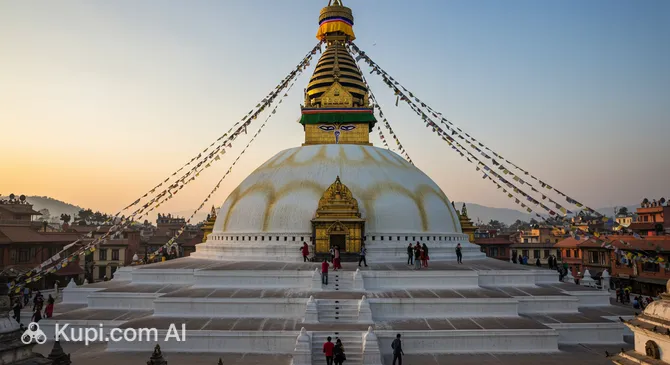
Swayambhu Buddha Park. Illustration.
Source: Kupi.com AI

Traveller photos:

The heart of the Swayambhu complex is the majestic white stupa, topped with a gilded spire. On all four sides are the famous all-seeing eyes of the Buddha, symbolizing wisdom and compassion. Surrounding this central stupa is a small town of numerous temples, Tibetan monasteries of various schools, and shrines. A special atmosphere is created by the hundreds of monkeys living freely on the slopes of the hill and in the temple grove, which earned Swayambhunath its nickname "Monkey Temple."

A visit to Swayambhu Buddha Park is an opportunity to touch ancient culture and spirituality. As you climb the long staircase to the stupa decorated with prayer flags, you will feel the special energy of this place. The complex is revered by both Buddhists and Hindus, making it a unique example of religious harmony. From here, breathtaking panoramic views of the Kathmandu Valley open up, making the visit even more memorable.

Contacts

Since Swayambhu Buddha Park is a major religious and historical complex, direct contact phone numbers for the administration may not always be available or up to date for the general public. For the latest information regarding opening hours, potential visiting restrictions, or special events, it is recommended to consult the official tourism resources of Kathmandu, visit tourist information centers upon arrival in Nepal, or check specialized travel portals.

The complex itself is located on a hill in the western part of Kathmandu and is a well-known landmark easily reachable by taxi or local public transport from various parts of the city. Use the name "Swayambhunath" or "Monkey Temple" when communicating with drivers.

How to contactContact
AddressSwayambhu, Kathmandu 44600, Nepal

What to Do

One of the first impressions for visitors to Swayambhu Buddha Park will be the climb up the famous 365 steps—one for every day of the year. This symbolic ascent is rewarded not only by a sense of connection to ancient tradition but also by breathtaking views. As you climb, picturesque panoramas of the Kathmandu Valley will unfold, and from the top of the hill, you can enjoy an impressive view of the entire city.

Once inside the complex, you can take a leisurely stroll through the many paths, exploring its hidden corners. Here, you can admire the unique architecture of the stupa and the surrounding monasteries, whose walls are often decorated with colorful frescoes. An integral part of the atmosphere is the numerous monkeys, which are truly interesting to observe. Visitors can also participate in traditional Buddhist rituals, such as spinning prayer wheels or simply observing the actions of the pilgrims.

Special attention is drawn to the details that fill the park with spiritual meaning: the spinning prayer wheels, which are believed to bring blessings when turned, and ritual bells. Many tourists and pilgrims seek to take photos against the backdrop of the famous all-seeing eyes of Buddha, which are one of the most recognizable symbols of Nepal. If your visit coincides with holidays or religious festivals, you may witness colorful ceremonies and mass prayers, adding unforgettable experiences to your visit.

Getting There

Swayambhu Buddha Park is conveniently located approximately 3 kilometers west of central Kathmandu, making it easily accessible for visitors. There are several ways to reach the foot of the hill where the famous stupa stands. The most popular options are taxi, local bus, or motorcycle transport, which will take you to the start of the climb.

From the foot of the hill, an impressive staircase of 365 steps leads up to the stupa itself, symbolizing the days of the year. This climb is an essential part of the experience. The journey to the temple from the central districts passes through the vibrant city streets of Kathmandu, which can be an interesting experience in its own right, offering a glimpse into the daily life of the capital of Nepal.

For those who prefer walking and want to dive deeper into the city's atmosphere, the walk from central Kathmandu to Swayambhu Buddha Park takes about 30–40 minutes. It is a wonderful opportunity to explore the surroundings at a leisurely pace. Please note that entry to the temple complex requires a fee for foreign tourists, and the ticket price may vary depending on the season and the visitor's age.

Nearest city: Kathmandu

History & Facts

The history of Swayambhu Buddha Park, also known as Swayambhunath, is rooted in deep antiquity and shrouded in beautiful legends. According to lore, the Kathmandu Valley was once a vast lake, and the hill where the stupa now stands was an island. Legend has it that the stupa itself emerged on the site of a mystical lotus flower that emitted a miraculous light. It is believed that the bodhisattva Manjusri, a revered deity, drained the lake by cutting through the surrounding mountains with a sword to make this sacred site accessible to people.

Swayambhunath is rightfully considered one of the oldest Buddhist temple complexes in the world. Ancient manuscripts indicate that the famous stupa was erected in 460 AD. However, archaeological finds suggest that this site served as an important center of pilgrimage and spiritual life even earlier, at least since the 5th century AD. Throughout the centuries, Swayambhunath has played the role of not only a religious site but also a significant cultural center for the entire region.

Notably, throughout its long history, Swayambhu Buddha Park has become a place where Buddhist and Hindu traditions harmoniously intertwine, making it a unique symbol of spiritual unity in Nepal. The complex has repeatedly faced challenges, including damage from earthquakes, and has been meticulously restored each time. For instance, significant restoration work was carried out after the devastating 2015 earthquake, highlighting its enduring importance to believers and as a cultural heritage site.

Time Needed

To fully enjoy your visit to Swayambhu Buddha Park and see its main attractions, it is recommended to set aside 2 to 3 hours. This time is usually sufficient for a leisurely climb up the hill where the complex is located and for exploring its key sites.

During this period, you will be able to not only climb the famous stairs but also carefully examine the main stupa and visit several of the surrounding monasteries and shrines. You will also have the opportunity to observe the daily life of pilgrims, spin the prayer wheels, and, of course, take spectacular photos with panoramic views of the Kathmandu Valley that open up from the top of the hill.

If you plan on a deeper immersion—for example, a long meditation in one of the monasteries or visiting every single small temple on the grounds—you may need a bit more time. However, for a standard tourist visit, 2-3 hours will provide a full overview of this unique place without unnecessary haste.

Working Hours

Swayambhu Buddha Park is generally open to visitors daily from early morning until evening. According to available information, the complex gates are usually open from 6:00 AM to 7:00 PM. However, it is worth noting that the exact schedule may vary slightly depending on the time of year, as well as on days of special religious holidays and ceremonies.

While advance ticket booking is not usually required for individual visits, it is always helpful to verify current information. For the latest data on opening hours, entrance fees, and potential schedule changes, it is recommended to check the official tourism websites of Kathmandu or contact local tourist information centers before your visit. The complex is open for visitors year-round.

9:00 – 17:00

Nearby

A visit to Swayambhu Buddha Park is undoubtedly one of the highlights of a trip to Kathmandu. However, to make your introduction to this amazing city even more complete and memorable, we recommend exploring other nearby attractions. This will allow you to deeper immerse yourself in the atmosphere of the capital of Nepal, see it from different angles, and discover new interesting corners.

In the immediate vicinity of Swayambhu Buddha Park, there are several noteworthy places that can enrich your cultural itinerary. These range from ancient shrines to modern entertainment venues, offering a variety of experiences for every traveler. Below is a list of some of them, along with their approximate distances.

NameDistance
Swayambhunath Stupa0.7 km
Bhagawan Pau1 km
National Museum of Nepal1.3 km
Single Tree Hill1.4 km
Soaltee Kathmandu1.9 km
Carpe Diem Lounge & Bakery2.4 km
Kathmandu Grill Restaurant2.5 km

Reached the bottom of the page?

Looks like you know this route inside out