Support

The Botanical Garden

About

The Botanical Garden in Oslo (Oslo Botaniske Hage) is a true green oasis and one of the oldest botanical gardens in Norway. Located in the eastern part of the capital, in the Tøyen district, it invites visitors on a fascinating journey through the world of flora, offering a break from the city bustle and the chance to enjoy natural beauty.
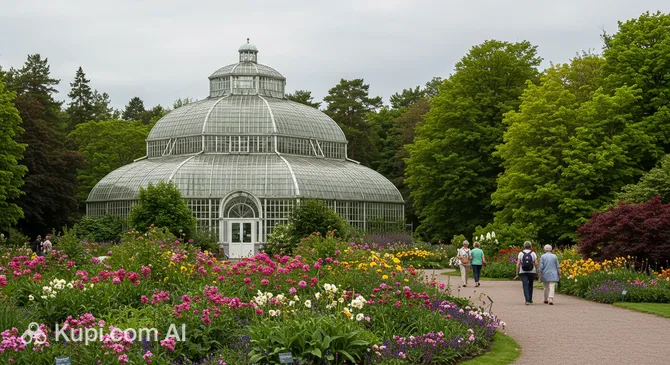
The Botanical Garden. Illustration.
Source: Kupi.com AI

Traveler photos:

The garden's vast territory houses unique collections of plants from all corners of the globe. Here, you can see thousands of different species, including both well-known and quite exotic specimens. Special attention is given to rare and endangered species, making a walk through the garden not only pleasant but also educational. The collections are divided into themed zones, allowing visitors to experience the flora of various climatic zones and regions.

The Botanical Garden is an integral part of the Natural History Museum at the University of Oslo. It serves an important mission not only as a popular tourist attraction but also as a significant scientific, educational, and cultural center for the city. Research, educational programs, and events aimed at preserving biodiversity and spreading knowledge about the plant world are conducted here.

Contacts

To find the most current information regarding the Botanical Garden's opening hours, ticket prices (if applicable), and scheduled events, we recommend visiting the attraction's official website or contacting the tourist information centers in Oslo. You can also find the most convenient public transport routes to reach the garden there.

How to contactContact
AddressSars' gate 1, 0562 Oslo, Norway
Phone number+47 22 85 16 30
Websitenhm.uio.no

What to Do

Visitors to the Botanical Garden in Oslo can enjoy leisurely strolls along its well-maintained paths, admiring the impressive variety of flora. The garden is divided into several themed zones, each offering unique experiences. You can explore the fragrant rose garden, the picturesque rock garden with mountain plants, the educational medicinal herb garden, and look into the greenhouses showcasing exotic species.

In total, more than 7,500 plant species grow here, including trees, shrubs, and herbs from all over the world. For those wishing to deepen their knowledge, the Botanical Garden regularly offers engaging guided tours and educational programs. Seasonal events and themed exhibitions dedicated to ecology, nature conservation, and the mysteries of botany are also held here.

In addition to the plant diversity, a notable historical building is located on the garden grounds—Tøyen Hovedgaard. This is the oldest building of the University of Oslo, giving this green spot a special atmosphere and historical significance. Exploring this building can be a pleasant addition to your walk through the garden.

Getting There

The Botanical Garden is conveniently located in the Tøyen district, close to the center of Oslo, making it easily accessible for visitors. The simplest and fastest way to get here is by metro. You'll need the Tøyen station, which is located in the immediate vicinity of the garden entrance.

In addition to the metro, the Botanical Garden can be reached by numerous buses and trams heading to the eastern part of the city. This is an excellent option if you are in an area without a direct metro line to Tøyen station. For those who enjoy walking, the journey from Oslo Central Station to the garden takes approximately 20-30 minutes and offers a great way to see more of the city's landscapes.

If you plan to travel by car, please keep in mind that there are parking spaces near the Botanical Garden. However, given the popularity of this location and the limited number of parking spots, especially during peak hours, it is highly recommended to prioritize public transport. This will not only save you time looking for parking but also help you avoid potential traffic congestion in the city center.

Nearest city: Oslo

History & Facts

The history of the Botanical Garden in Oslo dates back to the beginning of the 19th century. It was officially founded in 1814, which symbolically coincided with the year the Norwegian constitution was adopted. The initiative to create this green sanctuary belonged to Norwegian scientists who sought to develop botanical science in the country. Their efforts were supported by the Danish King Frederick VI, who also ruled Norway at the time. The garden was laid out on the grounds of the ancient medieval Tøyen estate, which gives the place a special historical atmosphere.

A key role in the initial planning and design of the garden was played by the famous Danish gardener Johan Siebke from Copenhagen. It was his experience and knowledge that helped lay the foundation for the future rich collection. The first plants for the garden were collected with great diligence and brought from various corners of the world. This established a tradition of diversity for which the Botanical Garden is still famous today, showcasing flora from all continents.

Initially, the Botanical Garden was conceived not just as a place for strolls, but as an important scientific and educational platform for the University of Oslo. Research was conducted here, students studied the diversity of flora, and the plant collection was constantly updated with new species. Over time, thanks to the tireless work of many generations of botanists and gardeners, the garden significantly expanded its collections and is today rightfully considered one of the leading and most respected botanical gardens in all of Scandinavia, continuing its vital mission.

Time Needed

To fully enjoy the beauty and diversity of the Botanical Garden in Oslo, it is recommended to set aside 2 to 3 hours of your time. This will be enough for a leisurely walk through the main themed zones, getting to know the most interesting plant collections, and visiting the garden's scenic corners.

If you plan a more in-depth study—for example, if you want to closely examine the greenhouses with exotic species or join one of the educational tours occasionally held on-site—it's worth allowing a bit more time. Botany enthusiasts and those who simply want to relax from the city bustle surrounded by nature can spend half a day here, finding more and more interesting plants and enjoying the peaceful atmosphere.

Overall, 2-3 hours is an optimal guideline for most visitors, providing a full overview of the Botanical Garden and its rich flora without rushing. However, the duration of your visit will, of course, depend on your personal interests and pace.

Working Hours

The Botanical Garden in Oslo is generally open to visitors daily, from early morning until evening. However, it is important to remember that exact opening hours can vary significantly depending on the season. For example, the garden may be open longer in the summer, while in winter, daylight hours are shorter, and visiting hours may be reduced.

Since specific opening hours and the possible need to book tickets in advance (especially for groups or special exhibitions) can vary, it is highly recommended to check the latest information on the Botanical Garden's official website or on the information boards directly at the entrance before your visit. Usually, the garden itself is open for walks year-round, but access to the greenhouses or other indoor pavilions may have its own separate schedule.

7:00 – 21:00

Nearby

Visiting an iconic attraction like the Botanical Garden is a wonderful experience in itself. However, to make your trip to Oslo even more fulfilling and memorable, it's worth noting what's nearby. Exploring the surrounding area will allow you to discover new facets of the city, find hidden gems, and better understand its atmosphere.

Other interesting sites are located near the Botanical Garden that can complement your cultural program or offer a pleasant end to the day. From museums and historic buildings to cozy cafes and restaurants—there's something for everyone. A short walk or a quick ride on public transport can lead you to new discoveries, enriching your experience in the capital of Norway. Below is a list of some attractions and interesting places located nearby.

NameDistance
Natural History Museum0.3 km
Ingensteds1 km
HIMKOK Storgata Distillery1.1 km
Mamma Pizza1.5 km
The Munch Museum1.5 km
Fuglen1.7 km
Hotel Continental2.1 km

Have you reached the end of the page?

So the route has been studied inside and out