Support

Port of Cartagena

About

The Port of Cartagena is the beating heart of the city and one of the oldest and most important seaports in Spain. Thanks to its strategic position in a deep-water natural bay, it has served as a key trade, cultural, and maritime artery in the Mediterranean for millennia. Its rich history is felt in every corner, recalling the times when ships from different eras and civilizations moored here.
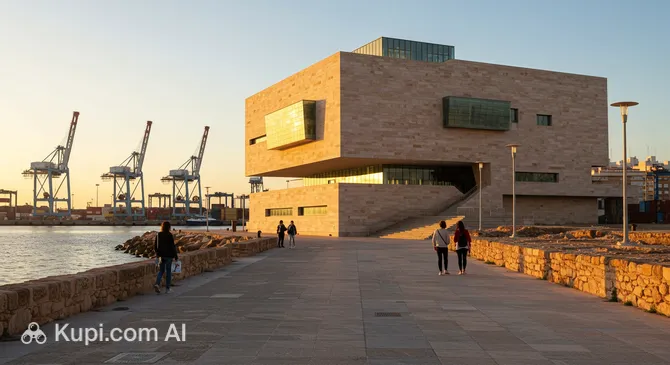
Port of Cartagena. Illustration.
Source: Kupi.com AI

Traveller photos:

Today, the Port of Cartagena is a harmonious blend of an active industrial hub and a popular tourist destination. Large cruise ships and merchant vessels still call here, yet a significant part of the port area has been transformed into a vibrant public space, attracting both locals and visitors.

Picturesque promenades, modern restaurants, and bars stretch along the waterfront, where you can enjoy local cuisine while overlooking the yachts and the sea. The port is an excellent starting point for exploring the historic center of Cartagena, as many museums and attractions are within walking distance. It is a place where the past and present merge, creating a unique atmosphere.

Contacts

Port of Cartagena is a vast area comprising both active piers and promenade zones along the waterfront. Since it is primarily a major transport hub and a historical part of the city, there is no single contact center for tourists. The best way to reach the port is on foot from the historic center of Cartagena, as it is located in close proximity to the main attractions.

How to contactContact
Address30201 Cartagena, Murcia, Spain

What to Do

The Port of Cartagena is not just an important maritime hub, but the true heart of the city's social life, drawing in both tourists and locals alike. The main activity here is taking a leisurely stroll along the scenic waterfront, which offers magnificent views of moored yachts, fishing boats, and massive cruise ships. The promenade is lined with numerous cafes and restaurants where you can relax, savoring Mediterranean dishes and fresh seafood while admiring the seascape.

For curious travelers, the port serves as a gateway to exploring the rich history of Cartagena. In the immediate vicinity are the Naval Museum and the National Museum of Underwater Archaeology, whose exhibits tell the story of the region's centuries-old maritime heritage. From here, it is also easy to embark on a boat trip or begin a walking tour of the main historical monuments, such as the ancient Roman theater or the medieval fortifications overlooking the city.

In the evening, the port is transformed, filled with lights and a lively atmosphere. The waterfront becomes a favorite spot for evening walks, meetings, and cultural leisure. Concerts, fairs, and festivals are often held here, making a visit to the port a bright and memorable experience at any time of day.

Getting There

Port of Cartagena enjoys a prime location in the heart of the city, making it easily accessible for travelers. If you are planning a trip from other regions of Spain, you can reach Cartagena by train or bus from major cities such as Murcia, Alicante, or Madrid. The train station is just a 15-minute walk from the port area, allowing you to reach your destination quickly on foot while taking in the city views.

For those arriving by air, the nearest airport is Murcia International Airport. From there, buses run regularly to Cartagena, and a taxi ride takes approximately 30–40 minutes. Travelers arriving by car will also find it convenient, with ample parking located near the port. Due to the compact nature of the city center, the best way to get around is on foot, though local public transport is also available if needed.

Nearest city: Cartagena

History & Facts

The history of the Port of Cartagena is a journey through the ages, reflecting the rich and multilayered history of the city itself. Its origins date back to antiquity: around the 9th century BC, the Phoenicians established a port settlement here called Qart-Hadasht, which translates to "New Carthage." It soon became one of the most important centers of the powerful Carthaginian Empire on the Iberian Peninsula, playing a key role in maritime trade and military strategy of the time.

A turning point in the port's history came in 209 BC, when it was conquered by the Romans under the leadership of Scipio Africanus. For the Roman Empire, the port—renamed Carthago Nova—acquired immense significance. It grew into one of the largest Roman ports in the region, fostering the rapid development of trade and shipping. This era of prosperity left behind an impressive legacy, including the construction of grand structures such as the Roman theater and aqueducts, whose ruins still serve as reminders of its former glory.

Over the following centuries, the port of Cartagena changed hands many times, coming under the rule of the Byzantines, Moors, and finally, the Christian kingdoms. During the Middle Ages and the early modern period, its strategic importance only grew. It became Spain's most vital naval base, playing a central role in defending the country's southern maritime borders. Thanks to its port, the city solidified its status as one of the primary naval and political centers on the entire Spanish coast.

Time Needed

To get a general overview of the Port of Cartagena, it is usually enough to set aside 2-3 hours. This time is sufficient for a leisurely stroll along the Paseo de Alfonso XII waterfront, viewing the moored yachts and historic vessels, and enjoying the picturesque views of the harbor and the surrounding hills topped with fortresses.

If you wish to dive deeper into the history and atmosphere of this place, you should plan for at least half a day. This allows time not only for a walk but also for visiting the iconic museums located here, such as the National Museum of Underwater Archaeology (ARQUA) or the Naval Museum. Additionally, you can take a boat tour of the port to see the ancient fortifications from the water, and then conclude your visit with lunch or dinner at one of the many restaurants overlooking the sea.

Working Hours

The Port of Cartagena, as a public space, is open for walks 24/7 and year-round, allowing you to enjoy the views of the harbor and ships at any time convenient for you. You are free to stroll along the embankments, admiring the seascapes and historic architecture.

However, it is worth noting that tourist attractions located within the port, such as museums, souvenir shops, and restaurants, operate on their own schedules. Typically, they are open to visitors from 10:00 AM to 8:00 PM, and during the summer months, opening hours may be extended until 10:00 PM. To avoid any inconvenience, it is highly recommended to check the current schedules on the official websites of specific establishments before visiting. For museum entry or boat tours, you may need to purchase tickets in advance, so it is also worth checking this information on the relevant websites.

Open 24/7

Nearby

Visiting such an iconic location as the Port of Cartagena is just the beginning of your acquaintance with this remarkable city. To truly feel the atmosphere of Cartagena, it is worth exploring its surroundings as well. Within walking distance of the port lie hidden historical treasures, cozy cafes, and cultural centers that will make your trip even more fulfilling and memorable.

The area surrounding the port is the living heart of the city, where different eras intertwine. A walk through it will allow you to discover both ancient ruins and modern entertainment. Below is a list of interesting places located very close by that will help you plan the perfect exploration route.

NameDistance
Roman Theatre of Cartagena0.2 km
La Catedral Nightclub0.2 km
Castle of the Conception0.3 km
Cartagena City Hall0.3 km
El Cantón0.3 km
National Museum of Underwater Archaeology0.3 km
Naval Museum of Cartagena0.3 km

Reached the bottom of the page?

Looks like you know this route inside out