Support

Museum of La Rioja

About

In the heart of the historic city of Logroño lies one of the main treasures of the region's cultural heritage — the Museum of La Rioja (Museo de La Rioja). This unique space combines the majestic architecture of the past with modern museum technologies to tell guests the history of this remarkable land.

The museum is based in the luxurious Espartero Palace, built in the 18th century in the Baroque style. The total area of the complex is impressive: more than 3,000 square meters are occupied by halls presenting the evolution of art and daily life from prehistoric times to the present day. This is a place where Spain reveals itself through its northern region through the lens of archaeology and painting.
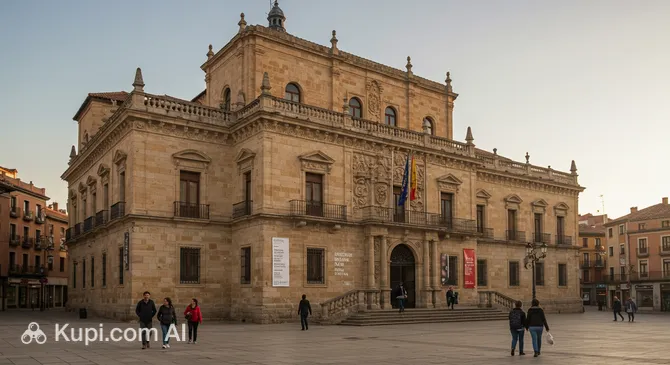
Museum of La Rioja
Museum of La Rioja. Иллюстрация. Источник: Kupi.com AI

The significance of the site was officially confirmed in the mid-20th century when the building was declared a monument of cultural interest. Today, the museum offers visitors more than just a look at display cases, but a true immersion into the context of different eras, covering the journey from the first settlers to the masters of the 20th century.

Contacts

You can contact the museum administration for information about special exhibitions or visiting rules using the contact details below.

How to contactContact
AddressC/ San Agustín, 23, 26001 Logroño, La Rioja, Spain
Phone+34 941 29 12 59
Websitewww.museodelarioja.es

What to Do

A walk through the museum halls turns into an exciting journey through millennia. On the first floor, you will encounter the ancient world: from pre-Roman finds to impressive artifacts from the Roman Empire that reveal the secrets of the beliefs and economy of the ancestors of modern Riojans. Be sure to notice the skillful stone carvings left by Celtiberian tribes.

The second floor is dedicated to the art of the Middle Ages, the Renaissance, and the Baroque. Here, the main highlights are the majestic Torremuña altarpiece and religious paintings reflecting the spiritual wealth of the region. For those who prefer art from later periods, the third floor offers a rich collection of paintings from the 19th and first half of the 20th century, some of which have been transferred from the collections of the famous Prado Museum in Madrid.

In addition to paintings, the museum has an interesting ethnographic department where you can see household items, agricultural tools, and livestock equipment. Interactive panels, touch screens, and special audiovisual materials make the visit engaging even for children, while the presence of a typhlological station ensures the accessibility of the exhibition for people with visual impairments.

Getting There

The museum's location in the heart of the historic quarter makes it easily accessible for those who prefer walking. A good landmark is the famous Espolón Boulevard or the Cathedral of Santa María de la Redonda — from there, the building on San Agustín Street is just a 10–15 minute walk away.

For travelers arriving from other regions, the RENFE station, located in the city center, is a convenient transportation hub. If you are arriving by car or taxi from more distant parts of the city, the trip will take only a few minutes. The nearest major international airport is in Bilbao, which is about an hour and a half away by car or bus.

Local buses also stop in the immediate vicinity of Plaza de San Agustín, allowing you to reach this cultural site quickly from any part of the city. Taxis in Logroño are an affordable and comfortable way to get around if you value your time.

Ближайший город: Logroño

History & Facts

The history of this place is inextricably linked to the name of a prominent Spanish figure — General Espartero. The majestic Baroque building that houses the exhibition today served as his private residence. The general lived here during his final years until his death in 1879, leaving behind a rich legacy.

The palace itself was built in the 18th century and is a brilliant example of civil architecture of that era. In 1962, the building was officially recognized as a Property of Cultural Interest, highlighting its architectural and historical significance for the entire country.

The transformation of the private mansion into a modern museum space took place in 1971. Since then, the Museum of La Rioja has undergone extensive renovations, including an expansion of its floor space with a modern wing. Today, it is the region's main archive of memory, housing artifacts found during archaeological excavations throughout the province.

Time Needed

To fully enjoy the extensive collection and not miss any important details, visitors are recommended to set aside 1.5 to 2 hours for the tour. This is enough time to walk through all three floors at a leisurely pace and get acquainted with the main sections of the exhibition.

History buffs who want to study the archaeological finds and interactive materials in detail may need a bit more time. Given its convenient central location, a visit to the museum is easy to combine with lunch at one of the traditional restaurants nearby.

Working Hours

The Museum of La Rioja is open to visitors throughout the week, except for Mondays. Please note the extended daily schedule on weekdays and Saturdays, as well as the shortened hours on festive Sundays:

  • Tuesday – Saturday: from 10:00 to 20:30
  • Sunday: from 10:00 to 14:00
  • Monday: Closed
DayWorking hours
ПонедельникЗакрыто
Вторник10:00 – 20:30
Среда10:00 – 20:30
Четверг10:00 – 20:30
Пятница10:00 – 20:30
Суббота10:00 – 20:30
Воскресенье10:00 – 14:00

Nearby

Exploring the surroundings after visiting the museum will allow you to delve deeper into the atmosphere of the old city and discover its defensive and architectural monuments. A walk through the central streets will reveal many interesting locations just a couple of hundred meters away.

NameDistance
Calle Laurel0 km
Bar Soriano0.1 km
San Blas Market0.1 km
Revellín Wall0.2 km
Casablanca Cocktail Pub0.2 km
Church of Santiago el Real0.2 km
Co-Cathedral of Santa María de la Redonda0.3 km

Reached the end of the page?

That means the route is fully explored