Support

Museum of Folk Architecture and Rural Life

About

On the southern slope of Castle Hill, in the heart of the ancient city of Uzhgorod, lies the wonderful Transcarpathian Museum of Folk Architecture and Life. This is one of the oldest skansens in the country, covering an area of 5.5 hectares. The museum is a man-made "village" featuring authentic masterpieces of wooden architecture brought from various corners of Transcarpathia.
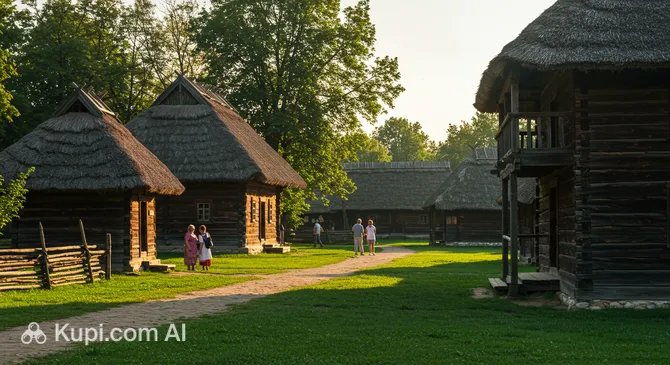
Museum of Folk Architecture and Rural Life
Museum of Folk Architecture and Rural Life. Иллюстрация. Источник: Kupi.com AI

In this picturesque location, adjacent to the walls of Uzhhorod Castle, the appearance of traditional settlements from the 18th to the early 20th century has been recreated. Walking along its paths is like taking a journey through time, discovering the architectural styles and daily lives of various ethnic groups in the region: Hutsuls, Boykos, Dolynyans, as well as Hungarians and Romanians. Each house here is a piece of living history, carefully preserved for future generations.

This museum complex in Ukraine is an important cultural center. The collection includes not only residential houses but also farm buildings, a church, and workshops, which display thousands of items of folk art, household objects, and tools that convey the unique spirit of multi-ethnic Transcarpathia.

Contacts

To confirm current event information or plan group tours, you can use the following contact details:

How to contactContact
AddressKapitul'na St, 33а, Uzhhorod, Zakarpats'ka oblast, Ukraine, 88000
Phone+380 95 424 0672
Websitewww.uzhhorod-skansen.com

What to Do

At the museum, visitors can enjoy a fascinating immersion into the past. Here, you can step inside authentic residential houses and see firsthand how the people of Transcarpathia lived centuries ago. Inside each cottage, a historical setting has been recreated: from massive stoves and weaving looms to embroidered "rushnyks" and ancient pottery.

The central feature and true treasure of the collection is the wooden Church of St. Michael the Archangel, built in 1777. This temple, brought from the village of Shelestovo, is recognized as a masterpiece of Transcarpathian architecture. Inside the church, ancient icons and a magnificent carved iconostasis remain, striking visitors with their elegance and spiritual power.

In addition to visiting churches and houses, guests will find it interesting to look into the outbuildings: a water mill, a forge, and a pottery workshop. For example, one of the estates features an exhibition dedicated to pottery, where you can see an actual two-disk wheel and tools used by masters of the century before last. A walk through the museum grounds is more than just viewing exhibits; it is an opportunity to feel the rhythm of our ancestors' lives and appreciate their skill in organizing their living space.

Getting There

Finding this unique corner of antiquity is quite easy: the museum is located in the historical center at 33a Kapitulna Street. It sits on the southern slope of Castle Hill, literally a few steps from the famous Uzhhorod Castle, making it a must-see on any walking route through the old city.

If you are staying in the city center, the most pleasant way to get there is a leisurely walk. Climbing the charming streets toward Castle Hill, you can enjoy the atmosphere of old Uzhhorod. For those who prefer comfort or are short on time, taxis are always available and can take you directly to the complex gates in minutes from anywhere in the city.

For travelers using navigators, you can use the following coordinates: 48.6201658° N and 22.3075196° E. Visiting the museum is easy to combine with exploring other central attractions, as everything is within walking distance.

Ближайший город: Uzhhorod

History & Facts

The history of the museum began in 1965, when dedicated scientists and local historians set out on expeditions to the most remote corners of the region. Their goal was to save vanishing monuments of wooden architecture and collect folk household items passed down through generations for centuries.

The first estates "moved" to the museum grounds in 1967, and on June 27, 1970, the Transcarpathian Museum of Folk Architecture and Life ceremoniously opened its doors to its first guests. This made the Uzhhorod skansen one of the first open-air museums of its kind in modern Ukraine.

Interestingly, the site for the museum was chosen in a very unusual spot. The area on the hillside was historically known as "Witch's Pit." According to local legends, in the distant past, trials were held here for those accused of witchcraft. Today, this peaceful and picturesque location serves the noble purpose of cultural heritage preservation.

The word "skansen" itself, often used to describe such parks, originated in Sweden. It was there, in 1891, that ethnographer Artur Hazelius opened the world's first open-air museum with that name, which eventually became a generic term for ethno-villages worldwide.

Time Needed

To enjoy a leisurely stroll through the grounds and peek into every cottage, the average visitor will need about 2–3 hours. This is the optimal time to soak up the atmosphere of old Transcarpathia, admire the intricate carvings on the houses, and explore the interior exhibitions.

If you are an ethnography enthusiast, enjoy studying ancient icons in detail, or plan to have a colorful photoshoot against the backdrop of authentic buildings, you should set aside 4–5 hours for your visit. The museum covers a significant area, and there is always an interesting angle or detail worth your attention.

Working Hours

The museum hospitably welcomes visitors throughout the week, with no exceptions for weekends. This makes it easy to include a visit to the skansen in any travel schedule.

Operating hours of the complex: daily from 10:00 AM to 6:00 PM. Please note that it is best to arrive a couple of hours before closing to have time to see all the exhibits in natural light.

10:00 – 18:00

Nearby

The museum's location on Castle Hill allows tourists to create a rich itinerary for the whole day. Just a few steps from the ethno-village are other iconic sites that help you dive deeper into the history and culture of this border city.

Exploring the surrounding area is sure to bring plenty of impressions: from majestic fortress walls to modern amusement parks and picturesque bridges over the Uzh River. Below is a list of interesting sites located in the immediate vicinity.

NameDistance
Aqua Rio Park0.2 km
Uzhhorod Castle, Transcarpathian Museum of Regional History0.2 km
Uzhhorod National University Botanical Garden0.2 km
Castle Hill Park0.2 km
Egan Irish Pub0.5 km
SyroVyna Tasting Room0.5 km
Holy Cross Cathedral0.5 km

Reached the end of the page?

That means the route is fully explored