Support

Silk Street

About

Silk Market (Xiushui Street) is one of the most famous shopping locations in Beijing, becoming a true legend among travelers. Located in the Chaoyang District, this complex evolved from the spontaneous street stalls of the 1980s into a modern multi-story shopping center, often called “Little Hong Kong.” Spanning a vast area of 28,000 square meters, it houses about 1,500 retail outlets offering visitors to China an incredible variety of goods.
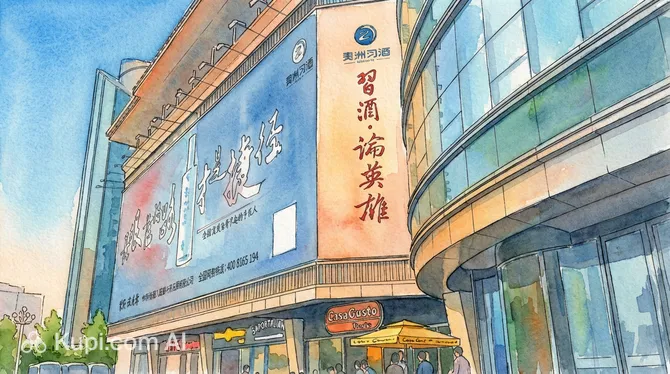
Silk Street. Illustration.
Source: Kupi.com AI

Traveler photos:

Here you can find everything the Middle Kingdom is famous for: from exquisite natural silk products and pearl jewelry to porcelain, tea, and handmade souvenirs. The complex consists of eight levels (five above ground and three underground), including specialized boutiques for clothing, shoes, and electronics. For tourists, a direct underground exit to the Yonganli subway station provides added convenience.

Today, the Silk Market is not just a place for shopping, but a full-fledged cultural attraction where every visitor can try their hand at the art of negotiation. The lower floors feature a supermarket and a spacious food court where you can get a taste of traditional Chinese cuisine and relax after an active shopping session.

Contacts

Before planning your visit to the Silk Market, we recommend checking for the most up-to-date information in advance. Since the shopping complex brings together many independent operators and shops, some details may change depending on the season.

How to contactContact
Address8 Xiu Shui Dong Jie, Chao Yang Qu, Bei Jing Shi, Китай, 100020

What to Do

At the Silk Market, shopping turns into a real performance. The main thing to do here is to master the art of bargaining. Vendors are experts with calculators and often know basic phrases in foreign languages, making negotiations over the price of a silk scarf, branded clothing, or pearl jewelry feel like a game of chance and an essential part of the local flavor.

Be sure to set aside time to wander through the floors to find unique handmade souvenirs: cloisonné jewelry, decorative fabrics, and traditional Chinese qipao dresses. The international atmosphere, where dozens of languages are spoken, makes you feel at the heart of the metropolis's commercial life, while the indoor format protects you from Beijing's heat or bad weather.

When your shopping energy runs out, head down to the food court on the basement level. Here you can try authentic Peking duck, various street foods, or visit familiar coffee shops. It is a great place to take a break, look over your acquired treasures, and simply watch the hustle and bustle of one of the world's busiest shopping centers.

Getting There

The easiest way to reach the Silk Market, located at 8 Xiu Shui Dong Jie in the Chaoyang District, is by public transport. The most convenient method is the subway: take Line 1 to Yonganli station (永安里). One of the station exits leads directly into an underground passage connected to the shopping center.

A trip by taxi or via the Didi mobile app from central areas like Tiananmen Square will take about 15–20 minutes. If you are coming directly from Beijing Capital International Airport, the journey can take 40 to 60 minutes depending on traffic intensity. GPS coordinates: 39.9094346, 116.4496245.

For those staying in hotels in the embassy quarter, the Silk Market is within walking distance—the walk will take no more than 5–10 minutes. Remember that during peak hours (around 12:00–14:00), the roads and the mall itself can be particularly crowded, so plan your departure time in advance.

Nearest city: Beijing

History & Facts

The history of the Silk Market (Xiushui Street) began in the early 1980s. Originally, it was a spontaneous street area with small stalls located near the embassy district. By 1985, authorities officially approved the trading site, where traditional silk products and folk crafts were sold, earning the area the nickname “Chinese Silk Street.”

By the 1990s, the market had gained global fame and became a mandatory stop for foreign delegations. High-ranking guests, including French President Jacques Chirac, have visited over the years. The market became a living symbol of economic transformation in Beijing, growing from a modest bazaar into a powerful trading hub with billions in turnover.

A major milestone was the large-scale reconstruction between 2004 and 2005. A modern multi-story building was erected in place of the old street stalls, opening on March 19, 2005. This transition allowed trading traditions to be preserved in an environment of increased comfort and safety, making Xiushui Street one of the main symbols of modern China alongside the Great Wall.

Time Needed

To explore the Silk Market's assortment without rushing, set aside 2 to 4 hours for your visit. This time will allow you to walk through several floors, compare offers from different vendors, and, of course, devote time to the spirited bargaining that is an integral part of the local experience.

If you plan to not only shop but also have lunch at the food court, you should allow for more time. If your goal is a specific item (for example, just a silk robe or souvenirs), you might finish in 1 to 1.5 hours, though the market's atmosphere often draws travelers in for much longer.

Working Hours

The Silk Market shopping complex operates on a very convenient schedule: doors are open to visitors daily from 09:00 to 22:00. The lack of days off or breaks allows tourists to plan their visit at any convenient time, whether it's early morning before excursions or late evening after walking around the city.

Since Xiushui Street is a large hub connecting many pavilions, the main flow of shoppers is usually seen during the daytime. If you prefer a calmer atmosphere for bargaining, we recommend coming at opening time or closer to the evening.

09:00–22:00

Nearby

A visit to the Silk Market can easily be combined with a tour of other legendary locations in the capital. Just a few metro stops or a short taxi ride away are the famous Tiananmen Square and the National Museum of China. Exploring these landmarks will provide a deeper understanding of the country's history and culture after a busy shopping session.

If you get hungry after walking through the floors, it is worth stopping by the Da Dong restaurant, famous for its magnificent roast duck. Also nearby is Wangfujing Pedestrian Street, where you can continue exploring the city's commercial life, trying exotic street food and browsing modern boutiques.

NameDistance
Da Dong Roast Duck2.5 km
Wangfujing Pedestrian Street3.3 km
Hongqiao Market3.6 km
Li Qun Roast Duck Restaurant3.9 km
Children's Paradise at Temple of Heaven Park4.1 km
National Museum of China4.1 km
Tiananmen Square4.4 km

Reached the end of the page?

That means the route is fully explored