Support

Badachu Park (Southeast Gate)

About

Located at the foot of the scenic Western Hills, Badachu Park (or the "Eight Great Sites") is a unique temple complex in the western part of Beijing. This 4A-rated attraction is one of China's most significant spiritual centers, bringing together eight ancient Buddhist monasteries and temples founded across different eras—from the Tang to the Ming and Qing dynasties.
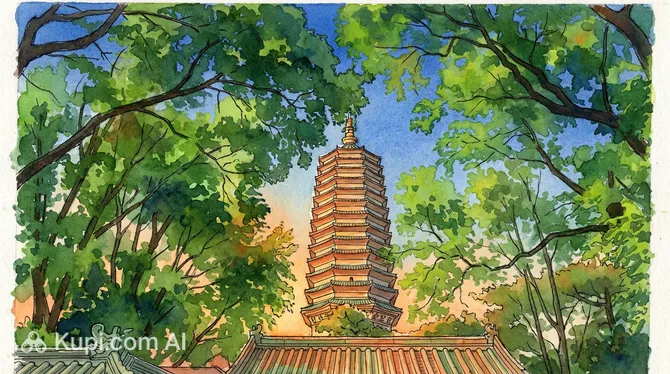
Badachu Park. Illustration.
Source: Kupi.com AI

Traveler photos:

The park is famous not only for its architecture but also for its stunning natural beauty. It features more than 20 natural attractions, including mysterious grottoes, unusually shaped rocks, and sacred caves. Century-old ginkgo and pine trees, along with carefully planned feng shui, lend the site a special atmosphere that has for centuries attracted pilgrims and emperors seeking solitude and harmony.

The Badachu complex is an ideal destination for those wishing to escape the urban bustle of the metropolis and immerse themselves in contemplation. Key highlights include the Shakyamuni Halls, majestic pagodas, and the park's highest point—Baozhu Cave, which offers breathtaking views of the Chinese capital. The Southeast Gate serves as the main entrance for tourists, opening the path for the ascent up the sacred slopes.

Contacts

When planning a visit to Badachu Park in Beijing, it is recommended to check in advance for the latest information on potential changes to temple hours or special holiday events. Since the park is a major state-managed site, there may not be a single central inquiry hotline, but general information is available on China's official tourism portals.

Up-to-date information regarding the Southeast Gate and other entrances can be found on the visitbeijing.com.cn website or through VisitBeijing's official accounts on Chinese social media. Before your trip, ensure that your chosen route and arrival time align with the complex's current operating schedule.

How to contactContact
AddressX58G+4XV, Шицзиншань, Пекин, Китай, 100093

What to Do

A visit to Badachu Park in Beijing is, above all, a fascinating journey through eight unique temples. Start your tour at the Temple of Divine Light (Lingguang), where you can see the famous pagoda, and then head to the Temple of Fragrant Boundaries (Xiangjie)—the largest in the complex, housing imperial steles and relics. Architecture enthusiasts will enjoy examining the dragon carvings on the roofs and the statues of the eighteen arhats in the Temple of Great Sorrow (Dabei).

For active travelers, a climb to Baozhu Cave is a must. This highest point features the Pavilion of Distant Views, which offers a panorama of the entire city on clear days. Those who prefer a more relaxed experience can take the cable car or chairlift to comfortably reach the upper levels of the park, and then head back down on a fun toboggan slide.

A walk along the winding mountain paths will allow you to discover hidden grottoes and admire the Rock of the Mysterious Demon. In autumn, the park is transformed by the golden foliage of ancient ginkgo trees, some over 700 years old, making it an ideal time for meditative strolls and artistic photography. Here, you can also ring a two-meter bronze bell, make a wish at the Buddha's Stele of Compassion, or simply enjoy the silence amidst China's pine forests.

Getting There

Badachu Park is located in the western part of Beijing, in the Shijingshan District, at the foot of the picturesque Xishan Mountains. The most convenient way to reach the park from the city center is by metro: take Line 1 to Pingguoyuan Station or nearby stops, then transfer to a taxi or a local bus. A taxi ride from the metro station takes about 10–15 minutes.

For those who prefer surface transport, buses No. 374, 696, and 962 run from central districts (such as the Beijing Zoo or Tiananmen Square) directly to the park gates. A taxi ride from the city center can take between 30 to 50 minutes depending on traffic and will cost approximately 50–80 yuan.

If you are heading to the park from the airport, the fastest route is to take the Airport Express to Dongzhimen Station, then transfer to the metro (Line 1) or take a taxi. Parking zones for private vehicles are available at the park entrances, though it is recommended to arrive early on weekends to avoid queues and secure a spot.

Nearest city: Beijing

History & Facts

The history of Badachu Park in Beijing spans many centuries, with the first mentions of structures on the slopes of the Xishan Mountains dating back to the 12th century. The park's modern name, which translates as the "Eight Great Sites," comes from the eight ancient Buddhist temples, the oldest of which were founded during the Sui and Tang dynasties (6th–8th centuries). In 1745, during the reign of the Qianlong Emperor, the area was officially granted the status of an imperial garden named Jingyiyuan.

Each of the complex's eight temples has its own unique story. For instance, the Temple of Divine Light (Lingguang), built in the 8th century, long housed a sacred relic—the Buddha's tooth—which was kept in a Liao-era pagoda destroyed in the early 20th century. The oldest temple in the complex is Zhengguo Temple, which was restored multiple times during the Yuan and Ming dynasties, maintaining its majestic appearance over the centuries.

During the Qing Dynasty, emperors frequently visited these sites for prayer and relaxation, leaving behind numerous steles with calligraphy. After the founding of the PRC in 1949, Badachu Park became one of the first sites placed under state protection as a cultural heritage monument. Today, it carefully preserves not only architectural masterpieces but also ancient trees, such as 700-year-old ginkgoes, which stand as living witnesses to the succession of dynasties.

Time Needed

To fully enjoy the atmosphere of Badachu Park and explore all eight temples, it is recommended to set aside 4 to 6 hours. This will provide enough time for a leisurely mountain ascent, visits to the main halls and pagodas, and some rest in the shade of ancient trees or lunch at one of the local cafes.

The duration of your visit largely depends on your pace and chosen mode of transport: you can hike up the winding trails or use the cable car, which quickly takes you to the park's upper levels. If you plan to visit Baozhu Cave to admire the panorama of Beijing from above, it is best to schedule your walk for the afternoon to see the city bathed in the light of the setting sun.

Working Hours

Badachu Park welcomes visitors daily, though the operating hours change depending on the season. During the warmer months (spring through autumn), the gates are open from 6:00 AM to 6:00 PM. During the winter period, the park closes an hour earlier—at 5:00 PM. It is important to note that entry to the grounds stops one hour before the official closing time, so it is best to plan your visit for the morning or early afternoon.

Before your trip, it is recommended to verify the current schedule on Beijing's official tourism portal, as the hours for individual temples within the complex or the cable car may vary slightly. An early visit will allow you to enjoy the morning coolness and the tranquility of the Buddhist monasteries before the main tour groups arrive.

Nearby

The western part of Beijing is famous for its magnificent garden-and-park ensembles and imperial residences, so a visit to Badachu Park can easily be combined with other iconic sites. Just a few kilometers away is the famous Summer Palace—a masterpiece of Chinese landscape design and a UNESCO World Heritage site.

Also nearby are the ruins of Yuanmingyuan Park, known as the Old Summer Palace, where you can stroll among scenic lakes and the remains of European-style pavilions. Exploring these attractions allows for a deeper immersion into the history of imperial China and the harmony of architecture and nature typical of this region.

NameDistance
Summer Palace9.2 km
Old Summer Palace11.3 km
Prince Gong Mansion18.1 km
Chinese Ethnic Culture Park (North Gate)18.4 km
Beijing National Aquatics Center18.4 km
Beihai Park18.6 km
Beijing National Stadium18.9 km

Have you reached the end of the page?

So the route has been studied inside and out