Support

Beijing Fenghuangling Nature Park (South Gate)

About

Located in the northwestern part of the Haidian District in Beijing, Fenghuangling Nature Park (South Gate) is rightfully considered the "green lungs" of the Chinese capital. This picturesque space in China combines the majesty of wild nature, the elegance of ancient temples, and a landscape reminiscent of classical imperial gardens. The park's main landmark is Xianglu Peak, rising 575 meters above sea level and offering breathtaking views of the surrounding area.
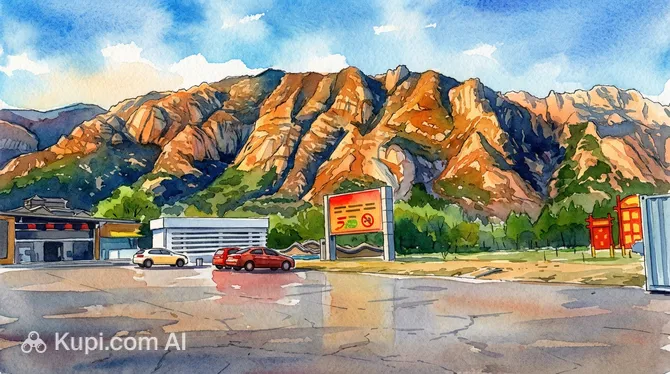
Beijing Fenghuangling Nature Park (South Gate). Illustration.
Source: Kupi.com AI

Traveler photos:

The park is divided into three main routes—north, central, and south—each possessing its own unique character. Here, you can find over 40 attractions: from high-altitude caves and reservoirs to thousand-year-old ginkgo trees that cover the ground in a "golden rain" of leaves in autumn. The park's South Gate is an ideal starting point for those seeking peaceful walks among archaeological sites and religious monuments.

Fenghuangling attracts hiking enthusiasts and those interested in Eastern health culture. The unique combination of forest trails, crystal-clear springs, and ancient Buddhist shrines makes this place a must-visit for anyone wanting to escape the hustle and bustle of the metropolis and see nature worthy of the pages of National Geographic.

Contacts

To ensure your visit to Fenghuangling Nature Park (South Gate) is as comfortable as possible, we recommend checking for the latest information before your trip. While general visiting rules remain consistent, details regarding specific trails or cultural events may vary by season.

The contact details and official coordinates of the park, located on the outskirts of Beijing, will help you better plan your route and stay informed about current updates from the administration of this protected area.

How to contactContact
Address33WM+8H8, Хайдянь, Пекин, Китай, 102205

What to Do

In Fenghuangling Nature Park, everyone will find something to their liking, whether it's an extreme climb or a secluded walk. The park offers three main routes. The North Line is the choice for active tourists: here you can climb to the Feilai Stone Pagoda via the famous "Sky Ladder" and see whimsical rock formations like the Jade Rabbit Stone. The South route is gentler and perfectly suited for family vacations among flower fields and ancient ruins.

Special attention should be paid to the Central Line, where Longquan Temple is located. Here, you can not only touch thousand-year-old history but also observe the longevity practices for which this region is famous. Be sure to visit the Hanging Curtain Waterfall and God's Spring—these are excellent locations for atmospheric photos. In autumn, the park is transformed by the glowing gold of ginkgo leaves, while in summer, it offers cool relief by the Baita Reservoir.

For adventure seekers and photographers, the park offers many hidden corners: the Monkey Cave, Yinyang Pavilion, and the steep stone steps of the "Eighteen Bends." Regardless of the path chosen, it is recommended to wear comfortable shoes with good grip, as some sections of the trails, especially on the North Line, can be quite narrow and require caution.

Getting There

Fenghuangling Nature Park (South Gate) is located approximately 30 kilometers northwest of central Beijing in the Haidian District. If you prefer to travel by car, the drive takes about an hour, and on-site parking is available (costing approximately 10 RMB per day).

For those opting for public transport, the most convenient way is to take Metro Line 16 to Beianhe Station (Exit B). From there, you can take Bus No. 16 to the park entrance. An alternative route involves taking Metro Line 4 to Beigongmen Station (near the Summer Palace) and then transferring to Bus No. 346, which goes to the final "Fenghuangling" stop.

The South Gate of the park is particularly convenient for those planning to start their journey along the southern route. It is an easy walk from the bus stop to the gates following the signs, making the start of your trip simple and straightforward even for first-time visitors to this part of China.

Nearest city: Beijing

History & Facts

The history of Fenghuangling is inextricably linked with the spiritual traditions of China. One of the park's main gems is the ancient Longquan Temple, which is home to ginkgo trees over a thousand years old. It also features Huangpu Temple, which was one of the "Eight Great Water Temples" of western Beijing during the Jin Dynasty, highlighting the historical significance of these lands for religious practices and meditation.

Within the park, you can see unique architectural monuments such as the Diamond Pagoda—the largest stone pagoda in Beijing. History enthusiasts will also be impressed by the "Northern Wei Stone Buddha," considered one of the oldest Buddhist statues in the region. For centuries, these sites served as places of pilgrimage and spiritual cultivation, attracting sages and hermits.

The park's natural beauties are also steeped in legend: ruins of ancient shrines, the Lu Zu Cave, and the historical "Incense Road" (Miaofengshan Jinxiang) have all been preserved here. The northern line of the park features sacred sites like the God's Spring and the Monkey Cave, which were used for Taoist and Buddhist rituals for centuries. The symbol of the park is the giant "Fenghuangling" inscription carved into the rock—the largest of its kind in the capital region.

Time Needed

To fully experience Fenghuangling Nature Park, it is recommended to set aside half a day or a full day (from 4 to 6 hours). The park's territory is vast, and your choice of route directly affects the time needed: the northern line with its steep climbs will require more effort and time than the gentle trails of the southern part.

If your goal is a light stroll and a visit to one of the temples, 2–3 hours will suffice. However, to climb to the panoramic viewpoints at the peaks and enjoy the views of Beijing's "green lungs" at a relaxed pace, it is best to schedule at least 4 hours, especially considering time for photography and resting by the natural springs.

Working Hours

The operating hours of Fenghuangling Nature Park depend on the time of year. During the peak tourist season, which runs from March 16 to November 15, the park gates are open to visitors from 7:00 AM to 5:30 PM, with the last entry allowed until 5:00 PM. This is the best time for long walks and watching the sunset from the panoramic platforms.

In the off-season, from November 16 to March 15, the park closes slightly earlier—at 5:00 PM, and entry stops at 4:30 PM. Since operating hours may change slightly depending on weather conditions or maintenance work, it is recommended to check the current schedule via the park's official WeChat account or on-site before leaving Beijing.

Nearby

A trip to Fenghuangling Nature Park offers excellent opportunities for further exploration of northwest Beijing. The Haidian District is famous for its imperial gardens and parks, so a visit to these sites can be combined into one rich itinerary to experience the grandeur of Chinese history and the harmony of nature.

Nearby iconic landmarks include the magnificent Summer Palace with its elegant pavilions and the legendary Yuanmingyuan Park, known for its ruins and picturesque ponds. Modern architectural masterpieces are also within reach, including the Beijing National Stadium, creating a striking contrast between the ancient heritage and the dynamic present of China.

NameDistance
Summer Palace19.4 km
Old Summer Palace20.6 km
Beijing National Aquatics Center28.4 km
Beijing National Stadium28.9 km
Chinese Ethnic Culture Park (North Gate)29 km
Prince Gong Mansion31.2 km
Beihai Park32.1 km

Reached the end of the page?

That means the route is fully explored