Support

Beijing Zoo

About

One of the oldest and most significant zoological gardens in China is situated on the western outskirts of Beijing. Across an area of approximately 86 hectares, modern enclosures harmonize with classic Chinese landscapes featuring picturesque ponds, elegant bridges, and shaded alleys, providing a home to more than 5,000 animals from every corner of the planet.
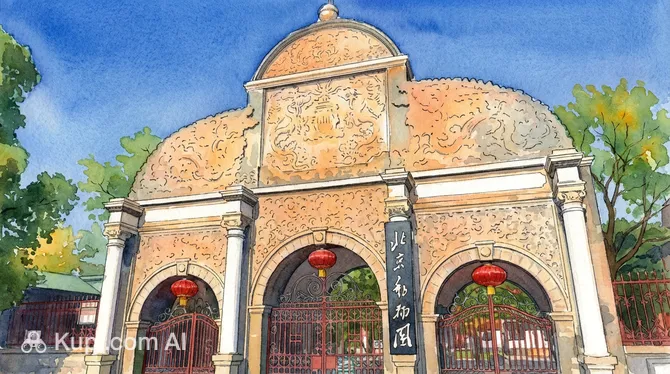
Beijing Zoo. Illustration.
Source: Kupi.com AI

Traveler photos:

The crown jewel of the Beijing Zoo is its world-famous collection of giant pandas—a living symbol of the country. In addition to these charming bears, visitors can see rare golden monkeys, Amur tigers, polar bears, and exotic inhabitants of Africa and Asia, represented by more than 400 species.

This destination is unique for combining the functions of a scientific center, a botanical garden, and a historical park. Amidst the animal habitats, you can find architectural monuments from the Qing dynasty, which lend a special cultural flair to your walk, turning a standard zoo visit into a fascinating journey through time.

Contacts

When planning your visit to the Beijing Zoo, we recommend checking the current operating hours for individual pavilions in advance. To clarify any details, you can contact the park administration in Beijing using the phone numbers listed below.

How to contactContact
Address137 Xi Zhi Men Wai Da Jie, Xi Cheng Qu, Bei Jing Shi, Китай, 100044
Phone+86 10 6839 0274

What to Do

The highlight of visiting the Beijing Zoo is undoubtedly observing the giant pandas in their specially equipped pavilions. Beyond the pandas, it is certainly worth visiting Monkey Hill, where primates lead active lives in conditions closely resembling their natural habitat, as well as the terrarium, which houses one of the largest reptile collections in Asia.

A stroll through the grounds allows you to appreciate the art of landscape design: you can admire graceful waterfowl on the lakes or walk along historical paths past ancient buildings such as the Changguanlou Tower. For family recreation, the zoo offers interactive educational exhibits and the opportunity to visit one of the world's largest aquariums, located right inside the park.

If you want to experience the local leisure atmosphere, enjoy a small picnic in one of the green zones or take a boat ride along the internal canals. During the warmer months, themed lectures on nature conservation are often held here, and an abundance of photo spots with animal figures will allow you to take home vivid memories of your visit to the capital of China.

Getting There

Beijing Zoo is located in the Xicheng District at 137 Xi Zhi Men Wai Da Jie. The easiest way to get here is by metro: the nearest station bears the same name—Beijing Zoo (located on Lines 4 and 6). We recommend using Exit 9, which is just a 5–10 minute walk from the park's main entrance.

For those who prefer surface transport, numerous buses stop near the zoo gates, including routes 105, 109, 118, and 374. A trip from the city center, such as the Tiananmen Square area, takes about 20–30 minutes by metro.

If you decide to take a taxi or use the Didi service from the airport, the journey will take about an hour depending on traffic. The fare is approximately 100–150 RMB. For those traveling by rental car, please keep in mind that parking at the entrance is paid and fills up very quickly on weekends.

Nearest city: Beijing

History & Facts

The history of this site dates back to the Ming dynasty, when imperial gardens were located here. However, the zoo's modern history began in 1906 during the Qing dynasty. By decree of Emperor Guangxu, an Agricultural Experimental Center was established here, opening to the public in 1908 under the poetic name "The Garden of Ten Thousand Animals."

The collection's first inhabitants—over 100 species of animals—were purchased in Germany and brought as a gift to Empress Dowager Cixi. Several unique architectural monuments from that era have been preserved on the grounds: the magnificent Changguanlou Tower (Tower of Beautiful Views), the ancient main gate, and Changchun Hall, where the 10th Panchen Lama stayed in the mid-20th century.

After 1949, the park underwent extensive reconstruction and expansion, and in 1955, it received its current name—Beijing Zoo. It was during this period that the first giant panda took up residence here, eventually becoming not only a symbol of the zoo itself but also an important diplomatic envoy for China around the world.

Time Needed

Given the park's vast territory of about 86 hectares, it is recommended to set aside 4 to 6 hours for a full visit to the Beijing Zoo. This time is sufficient to leisurely explore the panda pavilions, visit the reptiles in the terrarium, and observe the inhabitants of the African zone.

If you plan to visit the local aquarium or are traveling with young children, it is better to allocate a full day for your visit. Due to the high volume of visitors on weekends and public holidays, queues may form at popular enclosures, so an early arrival will help you save time and enjoy the atmosphere in a more peaceful setting.

Working Hours

The operating hours of the Beijing Zoo change depending on the season. During the summer season (April to October), the park is open to visitors from 9:00 AM to 5:00 PM, and ticket offices stop selling tickets one hour before closing. In the winter period (November to March), the zoo doors close an hour earlier—at 4:00 PM.

Please note that it can be particularly crowded during public holidays and national vacations, so it is advisable to arrive right at opening time. We recommend checking the official website or the information stands at the main entrance for the latest changes in the schedules of individual pavilions or the aquarium.

Nearby

The convenient location of the Beijing Zoo in the western part of the metropolis makes it easy to complement your visit with other iconic capital landmarks. Just a few kilometers from the panda enclosures, you'll find magnificent historical districts and park ensembles that preserve the memory of the imperial past.

Very close by, you can visit the exquisite Prince Gong's Mansion or stroll through the shaded alleys of Beihai Park. If you continue toward the center, you will encounter the grandeur of Jingshan Park and the formidable walls of the legendary Forbidden City, making your day in Beijing truly unforgettable.

NameDistance
Prince Gong Mansion4 km
Beihai Park4.5 km
Jingshan Park5.1 km
The Palace Museum5.5 km
Forbidden City5.5 km
Meridian Gate5.6 km
Tiananmen Square6 km

Reached the end of the page?

That means the route is fully explored