Support

Bird Park

About

The Beijing Bird's Nest, widely known as the Beijing National Stadium, is a triumph of modern architecture and a key symbol of the Olympic legacy in China. The facility earned its poetic nickname, the "Bird's Nest," thanks to its unique appearance: a complex network of interlaced steel beams creates the illusion of a giant nest, symbolizing harmony with nature and the beginning of new life.

Located in the heart of the Beijing Olympic Park, this stadium is striking in its scale. Standing nearly 70 meters tall, the structure can accommodate up to 91,000 spectators. The massive frame is covered with special transparent membranes that protect the interior from the weather while giving the stadium a sense of lightness, despite the use of thousands of tons of metal.
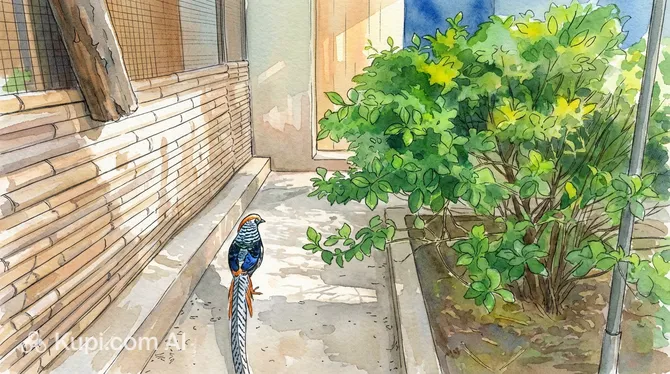
Beijing Bird Park. Illustration.
Source: Kupi.com AI

Traveler photos:

Created through the collaboration of prominent Swiss and Chinese architects, the project has become a true icon of high-tech style. Today, the Beijing Bird's Nest is not just a sports arena, but a multi-functional cultural space. It hosts major concerts, exhibitions, and tours, allowing tourists to go behind the scenes of one of the world's most technologically advanced structures.

Contacts

When planning a visit to the Beijing Bird's Nest, we recommend checking the current opening hours and ticket prices in advance, as visiting rules may change depending on the season and scheduled events. Since the facility is a significant state structure in Beijing, access to certain areas may be temporarily restricted.

For the latest information, it is worth checking China's official tourism portals or inquiring at the ticket offices right at the entrance to the Olympic Park. Please note that on days of major competitions or concerts, the entry procedures may differ from the standard routine.

How to contactContact
AddressКитай, Bei Jing Shi, Xi Cheng Qu, Xi Zhi Men Wai Da Jie, 137号北京动物园 邮政编码: 100044

What to Do

The highlight of visiting the Beijing Bird's Nest is the chance to step inside this grand structure. Be sure to visit the Golden Hall, which displays unique artifacts from Olympic history, ranging from relay torches to games mascots. The hall's interior, with its scarlet carpets and gold decor, emphasizes the solemnity and significance of this site for Beijing.

For those seeking unusual perspectives, head up to the fifth floor to the area known as the "Forest of Steel Structures." This is the perfect spot for photography, where you can get a close-up look at the seemingly chaotic tangle of beams that create a futuristic pattern. For the boldest visitors, the Top Sky Walkway is open—a walking path about a kilometer long, laid directly across the stadium's roof.

From a bird's-eye view, you get a panoramic vista of the entire Olympic Park and the central axis of China's capital. It is best to plan your trip for the evening to see the "Bird's Nest" light up with vibrant illumination. We also recommend combining your visit with a bike ride around the park or a visit to the nearby Olympic Tower.

Getting There

The Beijing Bird's Nest, better known worldwide as the National Stadium, is located in the northern part of Beijing, within the famous Olympic Park. The easiest and fastest way to get here from the city center is by metro: you will need Line 8 or 15. You should get off at "Olympic Park" or "Olympic Sports Center" stations, from where the park entrance is a 5–10 minute walk.

The metro system in China's capital is very convenient for tourists—a trip costs just 2–6 yuan, and trains run from early morning until late at night. If you prefer ground transportation, you can take a bus (for example, route No. 82) or a taxi. A taxi ride from the city center will take about 20–30 minutes depending on traffic and costs approximately 30–40 yuan.

For travelers arriving from Beijing Capital International Airport, the best route is to take the Airport Express to Dongzhimen station, then transfer to Lines 10 and 8. The total travel time is just over an hour. Within the park itself, it is pleasant to move around on foot or on a rented bicycle to enjoy the scale of the architectural ensemble.

Nearest city: Beijing

History & Facts

The history of the Beijing Bird's Nest began in December 2003. The stadium's design was the result of an international competition won by the bold concept from Swiss architects Herzog & de Meuron. Construction of this engineering marvel lasted five years and required unique technologies, including the creation of a complex frame made of interlaced steel beams with a total length of over 36 kilometers.

The structure's main triumph was the 2008 Summer Olympic Games. This was the site of the magnificent opening and closing ceremonies, as well as key athletics competitions. The stadium's outer covering deserves special attention: it consists of 3,500 unique ethylene tetrafluoroethylene (ETFE) "cushions," which provide protection from precipitation and give the building its futuristic look.

In 2017, the stadium underwent a massive modernization. One of the main innovations was the opening of the "Top of the Nest"—a special rooftop route that allowed tourists for the first time in Olympic history to walk directly along the upper part of the structure. In 2022, the site once again took center stage globally by hosting the Winter Olympic and Paralympic Games, confirming its status as a symbol of sports pride for China.

The stadium's architectural form is deeply symbolic: in Chinese culture, the shape of a nest is associated with the birth of life and hope for the future. The designers successfully harmonized ancient Eastern motifs with cutting-edge 21st-century engineering, turning the stadium into one of Beijing's most recognizable landmarks.

Time Needed

To leisurely explore the Beijing Bird's Nest and soak in its scale, it is recommended to set aside 2–3 hours. This is enough time to walk through the stadium's interior halls, explore the Olympic exhibition, and take impressive photos against the "forest" of steel structures.

If you plan to go up to the roof and walk along the sky corridor, as well as combine your visit with a tour of the neighboring National Aquatics Center, you should budget about 4–5 hours. The best time to visit is during the pre-sunset hours, when you can see the stadium and the surrounding park in both daylight and the glow of the evening lights.

Working Hours

For tourists, the Beijing Bird's Nest is open daily from 9:00 AM to 7:00 PM; however, please note that ticket offices stop selling tickets and entry closes at 6:00 PM. During the summer, the operating hours of the popular rooftop walkway are often extended until 10:00 PM, allowing visitors to enjoy night views of the illuminated city.

Depending on the season and weather conditions, the schedule may vary slightly. During the low tourist season or while preparing for official events, access to certain areas of the stadium may be restricted, so we recommend checking current information on-site before your visit.

Nearby

A visit to the Beijing Bird's Nest can easily be turned into a full day of exploration, as other iconic Olympic legacy sites are located in the immediate vicinity. A stroll through the Olympic Park will take you to the futuristic "Water Cube" and the majestic Olympic Tower, which offers breathtaking views of all of Beijing.

If you want to dive into China's ancient history, legendary sites such as the magnificent Forbidden City and the picturesque Beihai Park are just a short taxi or metro ride away. It is also worth visiting the Prince Gong Mansion, which is famous for its exquisite garden and park architecture.

NameDistance
Prince Gong Mansion4.3 km
Beihai Park4.8 km
Jingshan Park5.5 km
The Palace Museum5.9 km
Forbidden City5.9 km
Meridian Gate6 km
Tiananmen Square6.3 km

Reached the end of the page?

That means the route is fully explored