Support

China Railway Museum

About

Imagine endless rows of steel giants standing still in a massive hangar covering over 16,500 square meters. The China Railway Museum in Beijing is more than just a collection of machinery; it is a monumental chronicle of how China forged its path to progress. Founded in 2003, the museum is located on the site of the historic East Station, which was considered the country's largest transport hub in the early 20th century.
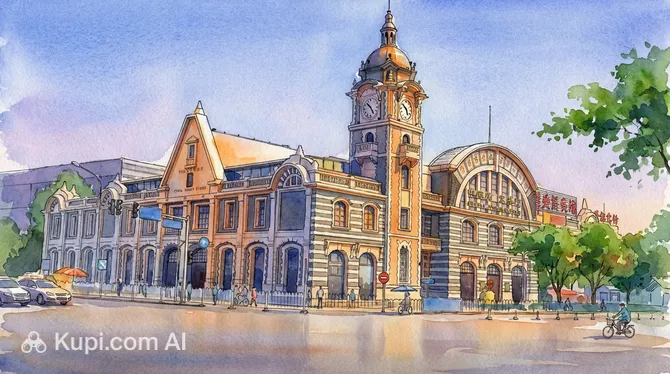
China Railway Museum. Illustration.
Source: Kupi.com AI

Traveler photos:

Unique artifacts are gathered here: from the first domestically produced rails and vintage steam locomotives to ultra-modern high-speed trains. Visitors can witness the evolution of engineering by examining locomotives from the Qing Dynasty era or studying a collection of rare tickets from various years. A special place is reserved for interactive zones where history comes to life through modern technology.

The museum is divided into several parts, including the main exhibition hall in the Chaoyang District and the historical branch in the former station building at Zhengyangmen Gate. It is a must-visit for anyone interested in technology, industrial architecture, or simply wanting to see how railways forever changed the face of this vast country.

Contacts

When planning a visit to the China Railway Museum, located in dynamic Beijing, we recommend checking for the latest information in advance. Although the museum operates on a stable schedule, details regarding access to specific exhibits or maintenance work may change.

Before your trip, be sure to check official resources or contact the administration directly to ensure your journey through China's railway history is as comfortable and productive as possible.

How to contactContact
AddressКитай, Bei Jing Shi, Chao Yang Qu, Jiu Xian Qiao Bei Lu, 1号院北侧 邮政编码: 100015
Phone number+86 10 6438 1517
Websitewww.china-rail.org.cn

What to Do

The main adventure at the China Railway Museum is the opportunity to step inside history. You can get an up-close look at legendary steam, diesel, and electric locomotives, and some exhibits even allow you to climb aboard to peek into the driver's cab or luxurious carriages of years past. This is a rare chance to feel the scale and power of the machines that traversed the expanses of China for decades.

For those who prefer modern technology, the museum features interactive simulators. Here, you can try your hand at being the driver of a CRH-3 high-speed express, feeling the dynamics of one of the world's fastest trains. Additionally, it is worth paying attention to the detailed models, among which the relief model of the famous Qinghai-Tibet Railway—the highest railway on the planet—stands out.

Don't forget to visit the section with documents and personal belongings of railway workers. The collection of vintage tickets, covering periods from the Qing Empire to the present day, along with working ticket printers, allows you to literally touch the past. The museum in Beijing offers the perfect blend of educational exhibits and entertainment, making it an excellent spot for a family outing.

Getting There

The China Railway Museum is located in the northeastern part of Beijing, in the Chaoyang District. Its main pavilion is at: No. 1 Yard, Jiuxianqiao North Road. This location is somewhat distant from the historical center, but getting here is easy if you plan your route in advance.

The most convenient way is to use the metro. Lines 10 or 14 are suitable; you should get off at Liduqiao station, from where you can walk to the museum in about 15–20 minutes or take a short bus ride to the Jiuxianqiao stop. If you prefer comfort, a taxi ride from Tiananmen Square will take 20 to 40 minutes, depending on traffic.

It is worth remembering that the museum has a branch at Zhengyangmen Gate, located in the heart of the city. It is perfect for those who want to learn about transport history without leaving the central districts and is easily accessible on foot from the capital's main tourist routes.

Nearest city: Beijing

History & Facts

The history of railways in China is a fascinating journey from the first demonstration lines of the 19th century to its status as a world leader in high-speed transport. The museum's exhibition highlights the year 1905, when construction began on the first "completely domestic" Badaling–Kalgan line under the leadership of the legendary engineer Zhan Tianyou.

The museum's location itself is steeped in history: the main hangar partially occupies the grounds of the former East Railway Station. Built by Europeans in 1906, it served for a long time as the city's main gateway for trains arriving from Tianjin. This grand European-style station remained a key transport hub until 1959, when the modern Beijing Railway Station was opened.

The museum carefully preserves relics from different eras: from ancient steam engines that came off the production lines of the Beijing plant to the first rails cast in the Middle Kingdom. A renovation in the early 2010s allowed for the inclusion of modern achievements, such as the famous CRH-3 expresses, which became a symbol of the country's technological breakthrough in the new millennium.

Time Needed

To explore the impressive collection of the China Railway Museum without rushing, we recommend setting aside about 2–3 hours. This will be enough time to explore the massive locomotive hangar in Beijing, climb into the cabs of some trains, and carefully examine the detailed models.

If you plan to visit not only the main pavilion but also the Zhengyangmen branch or spend time on the interactive simulators, it is worth adding another hour. Given the scale of the exhibition in the Chaoyang District, the walk can be quite long, so it is best to plan your visit for the first half of the day to save energy for further exploration of China.

Working Hours

When planning your trip to the China Railway Museum, keep in mind that it is generally open to visitors daily. However, exact opening hours may vary depending on the season, national holidays, or special events held in Beijing.

As official information can be updated, we strongly recommend checking the current schedule on the museum's website before setting off. This will help you avoid any scheduling conflicts and fully enjoy the extensive exhibition in China at your own pace.

Nearby

A visit to the railway museum in Beijing can be perfectly combined with a tour of other iconic sites that reveal different facets of the city. Just a couple of kilometers away is the famous 798 Art Zone. This space, located on the site of former factories, is now the epicenter of contemporary art in China with numerous galleries, installations, and cozy cafes.

If you are willing to travel a bit further toward the center, spiritual and architectural treasures await you. The majestic Yonghe Temple, also known as the Lama Temple, will impress you with its energy and gilded statues, while the nearby Imperial Academy (Guozijian) offers a glimpse into the atmosphere of ancient enlightenment.

NameDistance
798 Art Zone2.1 km
Yonghe Temple (Lama Temple)9.9 km
Beijing National Stadium10.1 km
Imperial College (Guozijian)10.2 km
Chinese Ethnic Culture Park (North Gate)10.6 km
Beijing National Aquatics Center10.6 km
Da Dong Roast Duck12 km

Have you reached the end of the page?

So the route has been studied inside and out