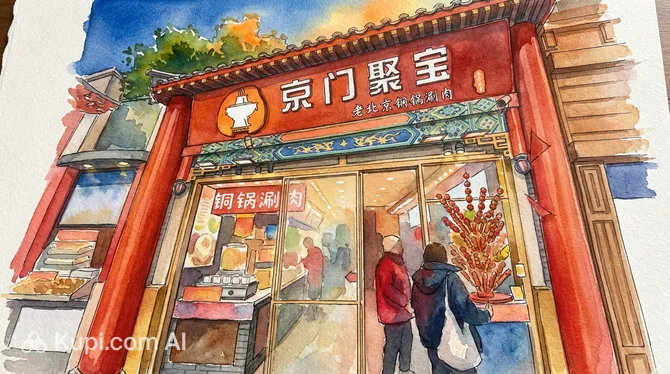
Wangfujing Snack Street is a vibrant and bustling gastronomic epicenter of Beijing, located in a historic shopping district. This open-air market is a colorful labyrinth of dozens of stalls featuring culinary traditions from nearly every province of China. Here you can find everything from classic dumplings and tender tofu to truly exotic attractions that have become the hallmark of the place.
Wangfujing Snack Street. Illustration.
Source: Kupi.com AI
Traveler photos:
The main feature of the market is its theatricality and bold gastronomic choices. Entire performances unfold before tourists: chefs masterfully grill skewers of shrimp and meat on huge grills, and for the bravest gourmets, famous delicacies like fried scorpions, silkworms, and cicadas are prepared. The street is permeated with the aromas of spices, smoke from charcoal, and the neon light of signs, creating the unique atmosphere of a Chinese metropolis.
The market entrance is decorated with traditional painted arches with tiled roofs, emphasizing the national flavor. Wangfujing Snack Street has long been a mandatory stop for those who want to experience the "taste" of the Chinese capital and bring home photos of some of the most unusual dishes in the world. It is an ideal place for an evening walk where the modern rhythm of the city meets ancient street trading traditions.
Contacts
When planning a visit to Wangfujing Snack Street, it is recommended to check the current operating hours and visiting rules in advance, as it is an open public space. Since the market is a cluster of many independent stalls in Beijing, there is no single official representative office, so you should rely on general information about the district.
On Wangfujing Snack Street, the main activity is a tasting safari. Start with the classics—try the juicy lamb skewers known as Yang Rou Chuan or traditional Beijing sweets. The bravest should challenge themselves by ordering a skewer of fried scorpions or silkworm pupae—these are not only local delicacies but also popular backdrops for spectacular travel photos. Chefs often turn the cooking process into a show, so don't miss the chance to watch their masterful work.
Beyond the food, it's worth simply soaking up the atmosphere. Stroll through the narrow side streets, peek into souvenir shops, and small tea houses. In the evening, when the market is bathed in illumination, it's especially interesting to watch the city's life. Don't forget to keep a close eye on your belongings in the crowds, and be prepared that for photographing some stalls, vendors may politely ask you to buy something.
Getting There
Wangfujing Snack Street is located in the heart of Beijing, making it easily accessible for any tourist. The fastest and most convenient way to get here is by using the subway. You need the Wangfujing station (Line 1); the exit leads directly to the brightly lit pedestrian zone. Once on the main street, just turn into one of the side alleys, following the alluring scents of spices and the characteristic red lanterns.
If you are in the area of Tiananmen Square or the Palace Museum, you can reach the market on foot in about 15–20 minutes. It is a pleasant walk through the city's historic center. For those who prefer a taxi, simply show the driver the street name in Chinese (王府井小吃街), but remember that the market zone itself is entirely pedestrian, so the transport will drop you off at the nearest intersection.
Nearest city: Beijing
History & Facts
The history of the Wangfujing district as the commercial heart of Beijing is rooted in the deep past. Archaeological finds indicate that even in ancient times, hunters cooked game over open fires here—traces of ancient bonfires were even discovered beneath the foundations of modern buildings. The street got its name from a well (jing) at the princely residences (wangfu) that once supplied the district with drinking water.
The rapid development of commerce here began at the end of the Qing Dynasty, when the easing of trade bans and the proximity of the legation quarter turned the street into a busy thoroughfare. In 1903, the Dong'an market opened here—a prototype of modern shopping centers where you could buy everything from traditional sweets to carts and fabrics. Over time, food stalls became an integral part of the local character, forming the famous evening "gluttony row."
At the end of the 20th century, Wangfujing Snack Street was reconstructed and turned into a modern pedestrian zone. Today, it serves as a living monument to Beijing's trading tradition, where old street food recipes exist alongside global brands, and architecture in the style of old China emphasizes the continuity of generations.
Time Needed
To leisurely stroll along the stalls and try several types of local delicacies on Wangfujing Snack Street, 1–2 hours is usually enough. If you plan to combine the tasting with shopping on the adjacent pedestrian thoroughfare, you should allocate about 3 hours for visiting this area.
The most atmospheric time to visit is in the evening when the lights come on. Keep in mind that during peak hours, queues may form at the most popular stalls due to the large influx of tourists, which will slightly increase your time spent at the market.
Working Hours
Wangfujing Snack Street welcomes guests daily, opening around 10:00 AM and closing at 10:00 PM. This schedule is consistent throughout the week, including Saturday and Sunday, making it easy to fit a visit to the market into any tourist itinerary around Beijing.
Although trading starts in the morning, for the real experience, it's better to come after sunset. Peak activity occurs in the evening hours when the market comes alive, filled with smoke from the grills and the bright light of neon signs, creating that very atmosphere of a noisy Asian bazaar that travelers come here for.
10:00–22:00
Nearby
A visit to Wangfujing Snack Street fits perfectly into an itinerary through the historic center of Beijing. The monumental Tiananmen Square and the majestic Palace Museum (Forbidden City) are very close by, so a culinary adventure is a logical conclusion to exploring the main sights of China.
Directly from the market begins the Wangfujing Pedestrian Street, known for its giant shopping malls and boutiques. A stroll through these surroundings allows you to see Beijing in its contrasting splendor: from the silence of museum halls to the noisy and bright celebration of life on the shopping avenues.