Support

Museum of Byzantine Culture

About

The Museum of Byzantine Culture, located in the vibrant city of Thessaloniki, Greece, is a true gem for anyone interested in rich history and art. This is a unique institution, as it is considered the only museum in the world entirely dedicated to Byzantine culture. A visit to the museum provides a wonderful opportunity to delve into the heritage of the Byzantine Empire, which for centuries exerted a massive influence on the development of European civilization.
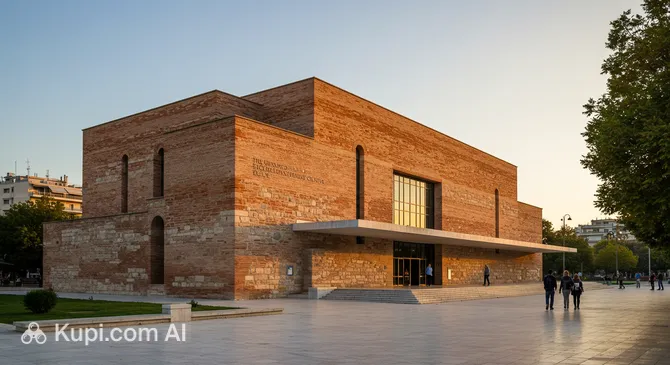
Museum of Byzantine Culture. Illustration.
Source: Kupi.com AI

Traveler photos:

The museum's exhibition is impressive in its scale and variety. In eleven spacious halls covering a total area of about 3,000 square meters, more than 2,900 exhibits are presented. The collection spans a vast historical period—starting from late antiquity (3rd–4th centuries AD) up until the fall of the Byzantine Empire in the 15th century. All artifacts are arranged in strict chronological order, allowing visitors to trace the evolution of Byzantine art and culture through the centuries.

Among the museum's treasures, you will find magnificent examples of wall paintings, exquisite sculptures, vibrant mosaics, revered icons, as well as impressive metal, glass, and ceramic works. Each exhibit tells its own story, revealing to guests the multifaceted world of Byzantium—its religious beliefs, daily life, artistic achievements, and craft traditions. This museum is not just a repository of antiquities, but a true portal to the past, offering a deep and fascinating introduction to one of the greatest civilizations in history.

Contacts

For the most up-to-date contact information for the Museum of Byzantine Culture, including telephone numbers, email addresses, opening hours, and ticket prices, we recommend visiting the museum's official website. Useful information can also frequently be found at tourist information centers in Thessaloniki or on official tourism portals for Greece.

How to contactContact
AddressLeof. Stratou 2, Thessaloniki 546 40, Greece
Websitewww.mbp.gr

What to Do

Immerse yourself in a fascinating journey through the centuries as you explore the halls of the Museum of Byzantine Culture. Here, you will witness the birth of Christianity and trace the grandeur and subsequent decline of the Byzantine Empire. The museum's exhibits allow visitors to clearly see the transition from late antiquity to the early Byzantine period, when Christianity was establishing itself as the dominant religion, fundamentally changing the face of the world.

Special attention is given to the early Byzantine period of Thessaloniki, spanning the 4th–7th centuries AD, starting from the city's foundation by Constantine the Great in 330 AD. The first three halls are dedicated specifically to this timeframe, the 4th–6th centuries. Here, you can explore the exhibition in detail, which tells the history of the early Christian church and highlights iconic events such as the signing of the Edict of Milan by Licinius and Constantine the Great in 313, which legalized Christianity and predetermined the future of the Roman Empire.

As you move from one collection to another, you won't just be looking at artifacts; you will truly feel the spirit of the era. Every exhibit on display, whether it's an icon, a mosaic fragment, or an everyday object, tells its own unique story, revealing the daily life, religious beliefs, and artistic traditions of the Byzantines. This is more than just a viewing of antiquities; it is a deep immersion into the past that allows for a better understanding of the roots of modern European culture.

Getting There

The Museum of Byzantine Culture is conveniently located in the city of Thessaloniki, making it easily accessible for visitors. Regardless of where you are staying in this vibrant Greek metropolis, reaching this cultural gem is straightforward thanks to the city's well-developed transport infrastructure.

One of the most common ways to reach the museum is by public transport. Thessaloniki has an extensive network of bus routes. Most likely, several of them pass in the immediate vicinity of the Museum of Byzantine Culture or have a stop within walking distance. We recommend checking current route numbers and schedules at bus stops, with locals, or using online maps and city travel planning apps.

If you prefer a more comfortable and faster way to travel, taxi services are always available. A taxi ride from the center of Thessaloniki or from your hotel to the museum will be direct and convenient. Also, if you are staying nearby and enjoy walking, you can combine business with pleasure and walk to the museum, enjoying the city views and atmosphere along the way.

Nearest city: Thessaloniki

History & Facts

The history of the Museum of Byzantine Culture in Thessaloniki dates back to 1913, just one year after a significant event for the city—its liberation. It was then that the idea of establishing a special museum dedicated to Byzantine heritage was born. Initially, the collection was planned to be housed within the walls of the ancient Church of Panagia Acheiropoietos. However, by 1917, the original plans had changed: the Rotunda was designated as the new home for the future museum, and many valuable artifacts were temporarily moved to Athens for safekeeping.

A considerable amount of time passed, and it wasn't until 1975 that the idea of creating a full-scale Museum of Byzantine Culture in Thessaloniki received a new impetus. Active preparations began to bring this ambitious project to life. Construction of the modern museum building started in 1989, based on a design by the renowned Greek architect Kyriakos Krokos. A key role in the realization of this initiative was played by the then Minister of Culture of Greece, Melina Mercouri, who took the project under her patronage as a passionate advocate for preserving the country's rich cultural heritage.

Finally, on September 11, 1994, the long-awaited grand opening of the Museum of Byzantine Culture took place. This event was a major milestone in the cultural life of not only Thessaloniki but all of Greece, giving the world a unique space that preserves the memory of centuries of Byzantine history and art. To allow visitors to fully appreciate the wealth of the collections, a little more time was needed: the museum's first permanent exhibition welcomed its first guests in 1997, opening access for the general public to the priceless treasures and evidence of a great civilization.

Time Needed

When planning a visit to the Museum of Byzantine Culture in Thessaloniki, it is worth allocating enough time to truly appreciate its extensive collection. Given that the exhibition is spread across eleven halls and features more than 2,900 artifacts spanning from the 3rd to the 15th century, a tour of the main highlights and getting a general overview of the development of Byzantine art and culture will typically take 2 to 3 hours.

If you have a deep interest in Byzantine history and art, or if you plan to carefully examine most of the relics on display—including wall paintings, sculptures, mosaics, and icons—then feel free to set aside half a day or even more. The museum offers truly extensive material, and rushing here might prevent you from fully enjoying the immersion into this bygone era. The opportunity to trace the evolution of a culture over centuries deserves a thoughtful and leisurely approach.

Working Hours

The Museum of Byzantine Culture in Thessaloniki is generally open to visitors year-round; however, exact opening hours may vary depending on the season (for example, summer and winter schedules) and the days of the week. Typically, museums in Greece have reduced hours or are closed on certain public holidays. To get the most up-to-date information on opening hours and any potential schedule changes, it is strongly recommended to check the official website of the Museum of Byzantine Culture or contact tourist information centers in Thessaloniki immediately before your visit.

Regarding ticket purchases, for popular attractions like the Museum of Byzantine Culture—especially during the peak tourist season—it may be wise to inquire about the possibility of buying tickets online or booking them in advance. This can help save time and avoid potential queues. Information about whether advance booking or ticket purchase is necessary is also best clarified on the museum's official website or by calling the institution's contact numbers.

DayOpening hours
Monday8:30 – 15:30
TuesdayClosed
Wednesday8:30 – 15:30
Thursday8:30 – 15:30
Friday8:30 – 15:30
Saturday8:30 – 15:30
Sunday8:30 – 15:30

Nearby

After immersing yourself in the rich history and art of the Museum of Byzantine Culture, your journey through Thessaloniki can become even more fulfilling if you take the time to explore its surroundings. The city of Thessaloniki itself is a treasury of historical and cultural sites, many of which are within walking distance of the museum, complementing and expanding your impressions of the Byzantine heritage.

Exploring nearby attractions will allow you to form a more complete picture of the multifaceted history and modern life of this amazing Greek city. Below is a list of some interesting places located near the Museum of Byzantine Culture, along with their approximate distances.

NameDistance
Archaeological Museum of Thessaloniki0.2 km
Alexander the Great Statue0.4 km
War Museum of Thessaloniki0.4 km
White Tower of Thessaloniki0.6 km
Makedonia Palace0.6 km
Arch of Galerius1 km
Rotunda of Galerius1.1 km

Have you reached the end of the page?

So the route has been studied inside and out