Support

Kitaguchi Hongu Fuji Sengen Shrine

About

The Kitaguchi Hongu Fuji Sengen Shrine, whose full name is Kitaguchi Hongu Fuji Sengen Jinja, is one of the most important Shinto shrines in Japan. It is dedicated to the sacred Mount Fuji and its deity, Konohanasakuya-hime. Located at the foot of the majestic Fuji in the city of Fujikawaguchiko, Yamanashi Prefecture, this shrine is part of the Asama temple complex built in honor of the deity of this famous mountain.
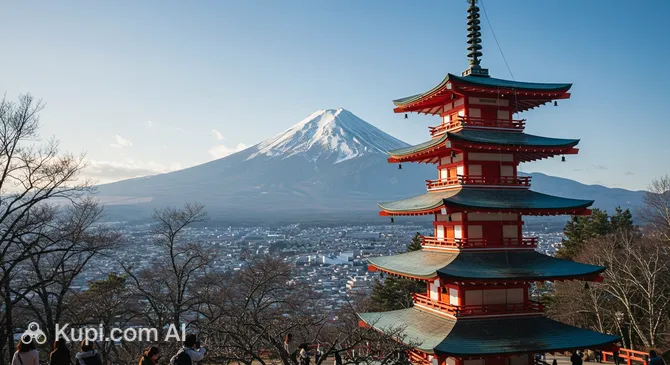
Kitaguchi Hongu Fuji Sengen Shrine. Illustration.
Source: Kupi.com AI

Traveller photos:

Tucked away in the heart of a dense cedar forest, the shrine is enveloped in a special mystical atmosphere that invites peace and contemplation. Its grounds impress with authentic Japanese architecture: visitors are greeted by several buildings in a rich fiery red color, a long shaded avenue lined with stone lanterns, and a majestic torii gate — a traditional symbol of the transition from the ordinary world to a sacred space.

A particular pride of the Kitaguchi Hongu Fuji Sengen Shrine are three enormous sacred trees, each of which is over a thousand years old. These ancient giants not only serve as living witnesses to the centuries-old history of this place but are also revered as the home of spirits and an inexhaustible source of power. Visiting the shrine is a wonderful opportunity to touch ancient traditions and feel the deep, almost tangible connection between Japanese culture and nature.

Contacts

To check the latest information regarding opening hours, potential events, or the best way to get to the Kitaguchi Hongu Fuji Sengen Shrine, we recommend visiting the shrine's official website, if available, or consulting tourist information centers in the city of Fujikawaguchiko.

Generally, such significant landmarks are well-featured in local guides and maps, which will help you plan your route and visit to this amazing site in Japan.

How to contactContact
Address5558 Kamiyoshida, Fujiyoshida, Yamanashi 403-0005, Japan
Phone+81 555-22-0221
Websitesengenjinja.jp

What to Do

Visitors to the Kitaguchi Hongu Fuji Sengen Shrine can participate in an ancient tradition and receive a blessing before climbing Mount Fuji. Historically, it was from here that pilgrims began their long journey to the summit of the sacred mountain, although nowadays most tourists prefer to start the climb from the 5th station. Nevertheless, a visit to the shrine allows you to feel this centuries-old connection and soak in its special spiritual significance. Walking through its grounds is an opportunity to enjoy the peaceful atmosphere, contemplating traditional Japanese architecture and strolling through shaded avenues among ancient trees.

On the shrine grounds, you can see sumptuous mikoshi — exquisitely crafted portable shrines designed to transport the souls of deities during festivals. One of these mikoshi is particularly noteworthy, as it resembles a bright red Mount Fuji (Fujisan), which is a unique sight. The stunning red torii gates also leave a lasting impression, serving as a symbolic entrance to the sacred territory and acting as the temple's trademark, as well as a beautiful subject for commemorative photos.

If your trip to Fujikawaguchiko coincides with the end of August, specifically the 26th and 27th, you can witness the breathtaking annual "Yoshida no Himatsuri" festival. During this vibrant celebration, held in gratitude to the goddess Konohanasakuya-hime for her protection, three-meter torches are set up all the way from the temple entrance to the main street of Fujiyoshida. When they are lit at nightfall, it creates a truly incredible sight — it seems as if the entire city is engulfed in the flames of a giant yet beautiful bonfire. This event leaves unforgettable impressions and allows for a deeper immersion into the culture of Japan.

Getting There

Getting to the Kitaguchi Hongu Fuji Sengen Shrine is quite simple, especially if you are in the Mount Fuji area. The main method is public transport. Buses depart regularly from Fujisan or Kawaguchiko railway stations, heading towards Lake Yamanakako. You will need to get off at the appropriate stop, which is usually announced or marked. The shrine is located at the foot of Mount Fuji in the city of Fujikawaguchiko, Yamanashi Prefecture, making it easily accessible for travelers exploring this picturesque region.

For those who prefer a more comfortable and planned travel option, there are organized tours. Many travel companies include a visit to the Kitaguchi Hongu Fuji Sengen Shrine in their itineraries around the Fuji area. This can be particularly convenient if you want to avoid the complexities of navigation or the language barrier when using public transport. Additionally, you can always use a taxi from your hotel in Fujikawaguchiko or nearby towns, although this option will be more expensive.

Since the shrine is a significant landmark and historically connected to climbing Fuji, it is well-known in the region. Finding it will not be difficult, especially if you use navigation apps on your smartphone — simply enter the name Kitaguchi Hongu Fuji Sengen Shrine. Its location at the foot of Mount Fuji makes it a logical stop before or after visiting Japan's most famous peak.

Nearest city: Fujikawaguchiko

History & Facts

The Kitaguchi Hongu Fuji Sengen Shrine has truly deep historical roots, dating back to the times of the ancient cult of Mount Fuji worship. Its foundation is inextricably linked to the veneration of Konohanasakuya-hime, the patron goddess of the sacred mountain, to whom this shrine is dedicated. As part of the extensive complex of Asama shrines built in honor of the Fuji deity, it served for many centuries as a key spiritual center for those seeking union with the great mountain.

One of the notable historical features of the shrine is its role as the traditional starting point for pilgrims climbing Mount Fuji. In the past, unlike modern climbers who often start their journey from the 5th station, believers began their long and sacred journey to the summit right here, from the Sengen Shrine located in the historical area of Fujiyoshida. This fact highlights not only the antiquity of the rituals associated with the mountain but also the special spiritual significance of the shrine itself in preparing and blessing pilgrims.

The shrine grounds are themselves a living testament to its centuries-old history. In addition to authentic historical buildings, three sacred trees grow here, which, according to legend, are over a thousand years old — silent guardians of ancient traditions. Another vibrant manifestation of the rich past is the annual "Yoshida no Himatsuri" festival. This impressive fire festival is not just a colorful event, but a ritual with deep historical roots, carefully passed down through generations and an integral part of the region's cultural heritage.

Time Needed

To fully enjoy the atmosphere and see the main sights of the Kitaguchi Hongu Fuji Sengen Shrine, most visitors will need approximately 1.5-2.5 hours. This time is usually enough to take a leisurely stroll through the picturesque grounds, including the famous avenue with stone lanterns leading to the main buildings, inspect the temple pavilions themselves, and, of course, pay attention to the ancient sacred trees that are centuries old.

If you plan not only a quick look but also want to soak up the spirit of this place, spend time taking photos without rushing, perhaps visit the small altars on the grounds, or simply sit in silence enjoying the peace of the ancient cedar forest surrounding the shrine, then it's worth allowing a bit more time. In this case, the visit can last up to 3 hours or even a little longer, especially if you decide to stay for meditation or contemplation.

Ultimately, the duration of your visit will depend on your personal pace and interest in the details of Shinto architecture and Japanese culture. The Kitaguchi Hongu Fuji Sengen Shrine is a place with a rich history and a special atmosphere, so it's recommended not to rush in order to fully feel its tranquility and spiritual significance.

Working Hours

Exact opening hours for the Kitaguchi Hongu Fuji Sengen Shrine may vary, and generally, Shinto shrines in Japan are open to visitors during daylight hours, often from early morning until sunset. However, to get the most up-to-date information on opening hours and potential schedule changes, especially regarding holidays or special ceremonies, it is highly recommended to check the shrine's official website (if available) or contact tourist information centers in the city of Fujikawaguchiko.

Generally, no advance ticket booking is required to visit the shrine itself, unless you plan to participate in any special rituals or events that may require prior registration. Most major shrines, such as the Kitaguchi Hongu Fuji Sengen Shrine, are open to visitors year-round, but access hours to some interior rooms or special exhibitions may vary depending on the season. It's always better to check the details directly before your visit.

8:30 – 17:00

Nearby

Visiting the Kitaguchi Hongu Fuji Sengen Shrine is undoubtedly a highlight, but the surroundings of Fujikawaguchiko hide many more interesting places that can enrich your journey. Exploring nearby attractions will allow you to dive deeper into the culture and nature of this amazing region of Japan, complementing your impressions of the shrine with new discoveries.

Don't limit yourself to just the shrine; other unique temples, picturesque natural spots, or theme parks may be very close by, each adding its own unique note to the kaleidoscope of your travel memories. Here are some of them:

NameDistance
Kanadorii Gate1.5 km
Fujiyoshida Coffeehouse1.5 km
Fuji-Q Highland2.1 km
Naruto & Boruto Fuji Hidden Leaf Village2.1 km
Yamanashi Prefectural Fuji Spring Water and Forest Aquarium3.3 km
Sanrokuen3.4 km
Arakura Fuji Sengen Shrine3.4 km

Reached the bottom of the page?

Looks like you know this route inside out