Support

Daiju-ji Temple

About

Daiju-ji Temple (大樹寺) is an iconic historical Buddhist temple located in Okazaki (Aichi Prefecture), Japan. This temple holds special importance as it served for centuries as the family temple of the powerful Matsudaira clan, the ancestors of the famous Tokugawa Ieyasu, founder of the Tokugawa Shogunate. With its rich history, Daiju-ji is a major cultural and spiritual center.
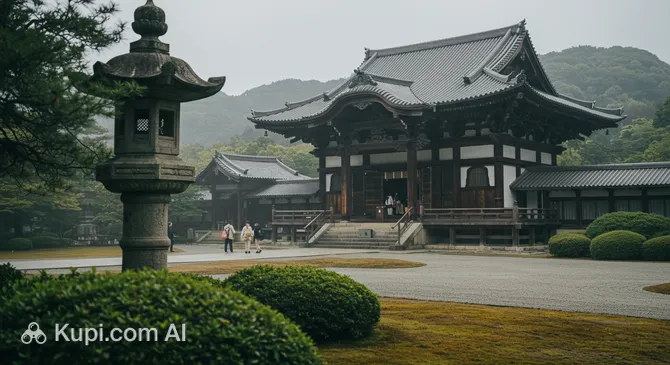
Daiju-ji Temple. Illustration.
Source: Kupi.com AI

Traveller photos:

The architecture of Daiju-ji Temple is a magnificent example of traditional Japanese craftsmanship. Visitors are greeted by the wooden structures, elegantly curved roofs, and refined decorative details characteristic of Buddhist temples. Although exact dimensions are not always specified, it is clear that traditional Japanese techniques were used in its construction—possibly similar to the kizukuri method, which involves the use of massive wooden beams and columns, creating a sense of power and harmony.

Today, Daiju-ji Temple attracts not only pilgrims seeking to touch the sacred but also numerous tourists interested in Japanese history, culture, and architecture. It is a place where you can immerse yourself in the past, enjoy the tranquility and beauty of a traditional Japanese temple complex, and gain a deeper understanding of a significant period in Japanese history closely tied to its patrons from the Matsudaira and Tokugawa clans.

Contacts

To find the current contact details for Daiju-ji Temple, such as a phone number or email address, we recommend visiting the attraction's official website. You can also find useful information at tourist information centers in the city of Okazaki or on specialized travel portals, which may list opening hours and admission conditions.

How to contactContact
AddressHiromoto-5-1 Kamodachō, Okazaki, Aichi 444-2121, Japan
Phone+81 564-21-3917
Websitedaijuji.jp

What to Do

A visit to Daiju-ji Temple in Okazaki is a unique opportunity to connect with the rich history of Japan. The temple is closely linked to the powerful Matsudaira house and the early life of the famous Shogun Tokugawa Ieyasu, who grew up within this clan and visited this family temple. Here, you can immerse yourself in an atmosphere of peace and serenity while exploring grounds steeped in centuries of history.

The main focus of the tour is the temple architecture itself, built in traditional Japanese Buddhist styles. Inside the temple, visitors can see various Buddhist artifacts, ancient statues, and works of art, each carrying deep historical and religious value. These exhibits provide a better understanding of the region's cultural heritage and the role of Buddhism in Japanese society.

In addition to viewing the architecture and artifacts, visitors can enjoy the beauty of the temple grounds. Japanese temples are generally famous for their picturesque gardens, and Daiju-ji is likely no exception. These gardens are an integral part of Japanese temple culture and offer wonderful opportunities for contemplation, meditation, and, of course, photography. If traditional Buddhist ceremonies or meditation sessions are being held during your visit, you might have the chance to participate and gain an even deeper experience.

Getting There

Daiju-ji Temple is located in Okazaki, Aichi Prefecture, and can be reached in several ways depending on your preferences and starting point. The main transport hub for reaching the temple is Okazaki Station, served by the JR Tokaido Line.

From Okazaki Station, you can take a local bus or a taxi to Daiju-ji Temple. The distance is several kilometers, so a taxi ride is the fastest and most comfortable option, taking about 10-15 minutes depending on traffic. If you prefer public transport, check the bus numbers and schedules for routes heading toward the temple at the station.

For those traveling by car, the temple is easily accessible via local roads in Okazaki. While specific parking information isn't provided, attractions of this type in Japan usually offer visitor parking. It is advisable to check parking availability and conditions in advance, especially if you plan to visit on a weekend or holiday.

Nearest city: Okazaki

History & Facts

Daiju-ji Temple, located in Okazaki, Japan, boasts a rich and remarkable history closely linked to the powerful Matsudaira clan. This clan was one of the most influential samurai families in the country's history. The temple holds particular historical significance as it was visited by Tokugawa Ieyasu, who grew up in the Matsudaira household. Tokugawa Ieyasu later became the founder of the Tokugawa Shogunate, which ruled Japan for over 250 years, from 1603 to 1868, and profoundly shaped the Japanese state.

Although the exact founding date of Daiju-ji Temple is not specified in available historical sources, its antiquity is certain. An interesting parallel can be drawn with other historical temples in Japan. For instance, Daian-ji Temple, which has a similar name, was founded as early as 639 according to the "Nihon Shoki" (its predecessor was Kudara Dai-ji). This observation highlights that Buddhist temples containing the suffix "-ji" (meaning "temple") generally have deep historical roots and long-standing traditions in Japanese culture.

Over the centuries, Daiju-ji Temple has likely lived through many significant periods of Japan's history. It witnessed the Edo period, the dramatic changes of the Meiji Restoration, and the challenges of the modern world. Despite all social and political transformations, the temple has managed to adapt, consistently maintaining its vital religious and cultural role. It remains an important site for residents of Okazaki and anyone interested in the history and spiritual heritage of Japan.

Time Needed

When planning a visit to Daiju-ji Temple in Okazaki, you should allow 1-2 hours for a full exploration of this iconic site. This time is usually sufficient to leisurely tour the main temple buildings, appreciate their architectural details, and stroll through the grounds, including the well-kept gardens. You will also have time to enjoy the peaceful atmosphere and take some memorable photos.

Within this timeframe, you can get a general overview of the temple and its significance. However, if you wish to delve deeper into the history of Daiju-ji Temple, study the exhibits in detail, or perhaps catch and participate in one of the ceremonies held here, your stay may be longer. In that case, consider planning a bit more time to ensure your visit is as rich and informative as possible.

Working Hours

Exact opening hours for Daiju-ji Temple in Okazaki may vary, so it is highly recommended to check the current schedule on the official temple website or at local tourist information centers before visiting. This is especially important if you are planning your visit for a specific time or during holidays.

As a rule, many temples in Japan are open to visitors year-round but may have seasonal changes in their schedules or special hours for ceremonies. It is also worth checking in advance if pre-booking tickets or registration is required to visit certain parts of the temple complex or participate in events. Verifying up-to-date information will help you plan your visit effectively and avoid any potential inconvenience.

9:00 – 16:00

Nearby

A visit to Daiju-ji Temple will undoubtedly be a highlight of your trip to Okazaki. However, to make your journey even more fulfilling and informative, it is worth exploring other interesting sites nearby. Discovering the surroundings will allow you to immerse yourself deeper in the city's atmosphere, get to know its multifaceted culture and history, and uncover hidden gems that might not be on standard tourist itineraries.

Near Daiju-ji Temple, you will find many attractions that can complement your experience. Below is a list of some of them with their distances to help you plan your time more easily.

NameDistance
Iga Hachimangu Shrine1.4 km
Kibusachi2.3 km
Kagoda Park2.8 km
Mikawa Warriors & Ieyasu Museum3 km
Hatcho Miso Factory Tour3.2 km
Tatsuki Shrine3.2 km
Hatcho Miso Brewery3.3 km

Reached the bottom of the page?

Looks like you know this route inside out