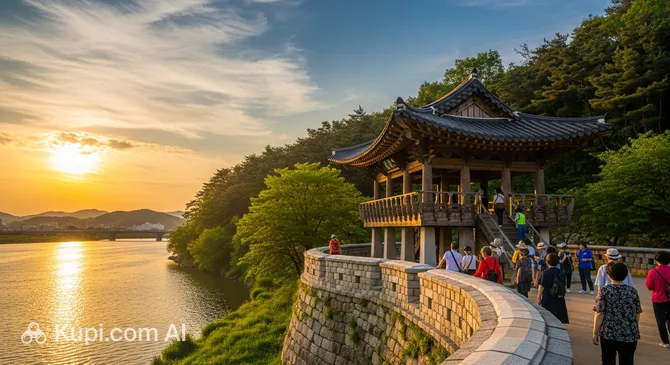
Located in South Pyongan Province, the city of Anju is one of the most important industrial hubs for which North Korea is famous. This is a place where the pulse of the country's industrial life is felt most clearly. The city grew on the banks of the Chongchon River and is today home to more than 240,000 residents, whose lives are closely linked to the development of the region's energy sector.
Anju. Illustration.
Source: Kupi.com AI
The foundation of this region's prosperity is the colossal deposits of anthracite. The rich history of the city is inextricably linked with the development of these mineral resources, which amount to more than 130 million tons of coal. Despite its predominantly industrial character, the city maintains an atmosphere typical of provincial DPRK: here, wide avenues sit alongside monumental architecture and neat residential quarters for workers.
Although Anju is rarely considered a classic tourist center, it attracts those who want to see the authentic life of the country's industrial heart. Here you can get acquainted with monumental art, stroll through local parks, and experience the scale of North Korean industry. Visiting this city is a unique opportunity to look behind the facade of standard tourist routes and see the DPRK from the perspective of its labor potential.
Weather Overview
The city of Anju is dominated by a typical continental monsoon climate, which is characterized by pronounced seasonality. Winters here are harsh and dry: in January, the average temperature drops to -5.7°C, and night frosts can reach -11°C. However, clear skies and bright sun during this period create a beautiful atmosphere in their own way, although smog can sometimes accumulate over industrial areas.
Summer in the region is moderately hot and humid. In July and August, the thermometer often rises to +29°C, and monsoon rains bring a significant amount of precipitation. This is a time of active flowering in city parks, but humidity can be quite high. The most comfortable time for a visit is considered to be spring and autumn, when mild weather in the city sets in with pleasant temperatures ranging from +12°C to +20°C.
When planning a trip, it is worth considering that due to the influence of the mountains and proximity to the Yellow Sea, sharp daily temperature fluctuations are possible. Be sure to bring clothes that can be layered depending on the time of day, and do not forget an umbrella if your visit falls in the summer months.
Average monthly temperature
Average monthly precipitation
Interesting Facts
Anju is situated on one of the largest anthracite deposits in the DPRK, with reserves estimated at over 130 million tons.
The city possesses unique strategic significance—historically, it played the role of an important military fortress protecting the approaches to the northern regions of the peninsula.
The night lights of Anju are so bright and extensive due to the working mines and factories that the city stands out clearly on satellite images of the Earth at night.
Despite its industrial status, the city pays great attention to landscaping: the Mansudae and Chongnam park zones are considered a source of pride for local residents.
The city's coordinates—39°56′ N 125°40′ E—place it among the largest industrial centers of South Pyongan Province.
How to Get There
The transport accessibility of the city of Anju is determined by its status as a key industrial center. The main way to get here is by the railway, which connects the city with Pyongyang and the port city of Nampo. A journey from the capital of North Korea by train takes several hours, offering scenic views of the agrarian and industrial landscapes of South Pyongan Province along the way.
The city does not have its own airport. Travelers should arrive at Pyongyang International Airport, from where ground transfer is organized. Detailed information on routes and rules for visiting the region can be found in the section describing Anju transport logistics.
The city's railway hub serves both freight trains carrying coal and passenger trains. The main station is located in the city center and is the primary arrival point for all guests. Bus service is also developed, although it is more often used for connection with nearby settlements and industrial zones.
Station
Passenger traffic
Distance
Sinanju Chongnyon Station
6
6 km
Taegyo Station
5
10 km
Unjon Station
5
13 km
Sunchon Station
5
33 km
Chongju Chongnyon Station
5
39 km
Pyongsong Station
6
46 km
Kalli Station
5
53 km
Sopo Station
7
59 km
Main Attractions
Since Anju is primarily an industrial center, there is no abundance of classic ancient monuments, but the city is interesting for its massive industrial aesthetics and neat planning. One of the main visual symbols of the city is its panorama after dark: the bright lights of industrial facilities and residential blocks create an impressive lightscape that emphasizes the city's status as an important energy hub.
For relaxation and leisurely strolls, locals and guests choose Mansudae Park and Chongnam Garden. These are well-maintained green zones that serve as a kind of oasis amidst the industrial landscape. Here you can see the landscape architecture traditional for the country, monumental sculptures, and cozy alleys where citizens spend their free time.
The cultural life of the city is centered around the Art Museum, which exhibits works by local masters. It is also worth paying attention to the central squares, which become venues for mass events on holidays. Life here is bustling around the markets and transport hubs, which allow you to feel the true rhythm of life in the North Korean province.
Local Cuisine
Culinary traditions in Anju follow the classic canons of Korean cuisine, but with an emphasis on the heartiness necessary in an industrial region. The basis of the diet is rice, various vegetables and, of course, the legendary kimchi—spicy fermented cabbage, which has its own special flavor profile here. In local canteens and small restaurants, bulgogi (thinly sliced grilled meat) and rich soups in meat broth are often served.
Street food lovers should try mandu—Korean dumplings with various fillings, which are especially popular at the markets near the station. Another specialty of the region is cold noodles, prepared here according to traditional recipes. Despite the lack of gastronomic refinements, the food in the city is distinguished by the freshness of the ingredients and the authenticity of its preparation.
Among the drinks, the favorites are various types of tea and local beer, which is famous for its quality throughout the country. Restaurants in the city are most often concentrated in the center and near cultural sites, offering simple but tasty worker's fare. The atmosphere in the establishments is calm and welcoming, allowing guests to feel the everyday way of life of the city's residents.
Travel Tips
A trip to the industrial heart of the country requires some preparation to make your journey as comfortable and interesting as possible. Here are some practical tips for those planning to visit Anju:
Trip Organization: Visiting the city is only possible as part of an organized group through accredited agencies. Independent walks outside the central areas without a guide are not encouraged.
Clothing and Footwear: In the winter months, it can be very cold in the region (down to -11°C), so be sure to bring warm clothes. In summer, light items made of natural fabrics and an umbrella will be useful, as monsoon rains are possible.
Finances: Bring cash (Euros, Dollars, or Yuan) with you, as international bank cards are not accepted in the city. It is better to exchange currency in advance in Pyongyang.
Safety: Anju is an industrial city with active mines. Avoid visiting outlying industrial zones without special permission, as it may be unsafe.
Communication: English is not widely spoken in the province. Learn a few basic phrases in Korean—it will help in communicating with local residents and showing respect.
Etiquette: Be polite when visiting monuments and memorial sites. Always ask for permission before taking photos of local residents or strategic objects.
Connection: Wi-Fi access in the city is practically non-existent. It is recommended to download all necessary offline maps and dictionaries in advance.
Health: Take a basic first-aid kit and a supply of bottled drinking water with you, as the quality of tap water in industrial zones may vary.
Following these simple rules will help you enjoy the unique atmosphere of the city and make your visit to Anju pleasant and informative.
Entertainment & Nightlife
Evening leisure in Anju differs significantly from what is found in typical metropolises. There are no noisy nightclubs or bars in the Western sense, and the city's life is subject to a work schedule. Nevertheless, in the evenings, the city is transformed by bright illumination, and local residents often gather in small, cozy cafes near markets or transport hubs to discuss the day's events over a cup of tea or a glass of local beer.
The city's cultural program is represented by theatrical productions and film screenings at local houses of culture, which are important centers of social life. On weekends, walks in the parks are popular, where spontaneous performances by amateur groups are sometimes organized. If you are looking for more active entertainment or large-scale shows, you should plan a trip to Pyongyang, which is a few hours' drive away.
For those who prefer a quiet rest, the city offers walks along the river embankments or visits to art galleries. Security in the central areas of the city is at a very high level, allowing for walks even at late hours, enjoying the silence and lights of the industrial giant. To move around the city in the evening, it is best to use the services of official guides or check public transport routes in advance.
Parks & Museums
Green zones in Anju play an important role, creating a necessary balance with the city's industrial appearance. The most popular place for relaxation is Mansudae Park. This is a well-maintained space with neat paths and sculptural compositions where locals love to spend time with their families. Another significant site is the Chongnam Garden, which is famous for its landscape solutions and abundance of seasonal flowers.
The region's cultural heritage and modern achievements are presented in the local Art Museum. Although it is smaller in scale than the capital's galleries, you can see unique works here dedicated to the labor achievements of the city's residents and the natural beauty of South Pyongan. Visiting the museum is a great way to get acquainted with the artistic vision of North Korean masters and learn more about life in the country's industrial heart.
For tourists interested in history, monuments and squares in the central part of the city may also be of interest, as they are often architectural landmarks. Although there are no huge nature reserves in the city, the combination of cozy squares and majestic industrial panoramas creates a unique atmosphere characteristic only of this region.
Getting Around
The public transport system in Anju is reliable and efficiently handles the transport of work shifts to the mines and factories. The backbone of urban transport consists of buses running along the main thoroughfares. During peak hours, they can be quite crowded; however, strict adherence to the schedule allows for planning trips in advance.
Within residential quarters and for short-distance trips, residents actively use bicycles—this is perhaps the most popular and environmentally friendly type of transport in the city. Anju's streets are spacious and convenient for walking, and the lack of traffic jams makes moving around the city calm and predictable.
The city's railway station serves as the main transport hub connecting Anju with other regions of the country. Taxis in the city are rare and are usually ordered in advance through a hotel or a guide. Bus tickets are inexpensive, and the payment system is simple and clear. Tourists are recommended to move around the city accompanied by a guide who will help navigate the routes and schedules.
Accommodation
The choice of accommodation in Anju is limited, which is characteristic of the country's industrial cities. The majority of the room stock is represented by middle-class hotels and departmental guesthouses, which are oriented towards specialists visiting local enterprises. These establishments offer a basic level of comfort, cleanliness, and traditional hospitality.
For foreign tourists, accommodation is usually organized through the receiving party. Most hotels are located in the central part of the city, which is convenient for access to transport hubs and park zones. The rooms are simply but functionally furnished, providing everything necessary for rest after a busy day.
If you are planning a visit to this region, it is recommended to book accommodation in advance through accredited travel agencies. During peak periods or during major industrial forums, availability may be limited. It is worth considering that there are no luxury hotels from global chains here, so the emphasis should be on the authentic experience of staying in a provincial North Korean city.
Nearby Cities
The city of Anju is a convenient base for exploring the central part of South Pyongan Province, offering travelers access to neighboring industrial and cultural centers. The city's surroundings are rich in both natural landscapes and interesting industrial sites that allow for a better understanding of the country's economic structure.
Just 22 kilometers away is the city of Kaechon, known for its caves and scenic mountain routes. It is also worth paying attention to Sunchon, located 32 kilometers away, and the city of Pyongsong, which is considered the scientific and educational center of the region. These cities are easily reachable by train or motor transport and are excellent for day trips.
Exploring nearby cities will allow you to see the diversity of life in North Korea—from closed scientific towns to ancient mountain shrines. Each of these destinations reveals new facets of the region's culture and history, making your trip truly fulfilling.
Shopping & Souvenirs
Shopping opportunities in Anju are primarily focused on the daily needs of the townspeople, making the shopping process here an excellent way to get acquainted with the local way of life. The main commercial activity is concentrated in markets and bazaars located near the railway station. Here you can find fresh produce, fabrics, locally produced clothing, and everyday consumer goods.
There are no large shopping and entertainment centers in the Western sense in the city, but central department stores offer a wide range of goods produced in the DPRK. This is an excellent place to purchase high-quality textiles or ceramic products. Store hours are usually stable, and payment is made in cash.
As souvenirs from the city, people often bring back local artistic crafts, traditional Korean clothing, or products related to the coal theme of the region. Do not forget to look into the bookstores, where you can find interesting posters, postcards, and literature in foreign languages. Shopping here is devoid of hustle and bustle, offering a thoughtful choice of authentic items.