Support

Acueducto de Teruel

About

Imagine a monumental structure that served as a vital artery for the city for centuries. The Teruel Aqueduct, also known as Acueducto Los Arcos, is an outstanding monument of Renaissance engineering. Located in the picturesque city of Teruel, in sunny Spain, it is considered one of the country's most significant 16th-century hydraulic projects.
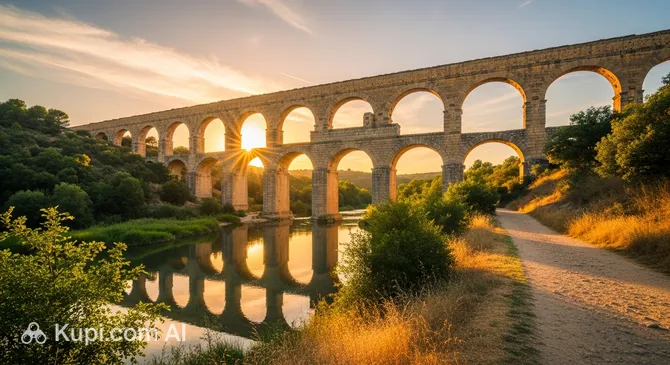
Teruel Aqueduct
Teruel Aqueduct. Иллюстрация. Источник: Kupi.com AI

The structure impresses with its scale: it features a double-tiered system of arches built in a classical style. The aqueduct was designed to transport water from remote sources to the very heart of the city, crossing deep ravines. Its above-ground section includes seven majestic arches, and the entire water supply system once spanned several kilometers.

Today, this architectural masterpiece is not just a historical artifact, but a symbol of the technical mastery of its time. It blends harmoniously into the urban landscape, serving as a reminder of an era when providing residents with water required not only bold solutions but also impeccable aesthetic taste.

Contacts

Finding this historical site is easy, as it is located within walking distance of major tourist routes. You can use the following details to plan your visit:

How to contactContact
AddressC. Alcañiz, 23D, 44003 Teruel, Испания

What to Do

A walk along the massive stone supports allows you to fully experience the grandeur of ancient architecture. Visitors can take their time examining the masonry details and appreciate how masterfully the arches are integrated into the uneven terrain. It is an ideal spot for those who appreciate the industrial aesthetics of the past and want to capture panoramic photos against the backdrop of the city's historic skyline.

Studying the structure from different perspectives is particularly enjoyable: from below, you can appreciate the monumentality of the arches, while from the heights, you can see how the line of the aqueduct stretches deep into the city quarters. It is recommended to combine your visit with nearby monuments, such as the Saint Martin's Tower or the Church of La Merced, to get a complete picture of Teruel's architectural heritage.

Getting There

Getting to this landmark is easy. The structure is located on Carretera de Alcañiz (C. Alcañiz), on the edge of the historic center. From the main city square, you can reach it on foot in just 10–15 minutes, following the signs leading to the most interesting tourist spots.

For those traveling by car, there are parking zones on the adjacent streets near the aqueduct. You can also take a taxi from anywhere in the city center—the ride will take only a few minutes. Thanks to its convenient location, the site is easily integrated into any walking route through the city.

Ближайший город: Teruel

History & Facts

The history of this giant dates back to the mid-16th century. Construction was led by the talented architect Quinto Pierres Bedel between 1537 and 1558. For that time, the pace of work was remarkably fast: the main part of the route, over four kilometers long, was completed just fifteen years after work began.

The creation of the aqueduct was a real breakthrough for the city, transforming it from a medieval settlement into a modern center by Renaissance standards. The project included not only the above-ground arches but also a complex system of underground channels, as well as fourteen city fountains that served as the terminus for this grand water system.

It is important to note that the structure has survived to this day in excellent condition. Due to its architectural value, it is recognized as a UNESCO World Heritage site as part of the ensemble of monuments in Teruel. This recognition highlights the uniqueness of the engineering that has managed to survive centuries without significant changes to its appearance.

Time Needed

To leisurely explore the main sections of the aqueduct and take memorable photos, 30 to 60 minutes is usually sufficient. This is plenty of time to walk along the structure and appreciate the scale of the double-tiered arches.

If you plan to include nearby medieval towers and churches in your itinerary, it is better to set aside 2–3 hours for this area. Such a walk will allow for a comprehensive experience of the city's historical character and ensure you don't miss important details of its unique heritage.

Working Hours

Since the structure is outdoors and part of the urban environment, it is accessible for viewing 24/7. You can plan your visit at any convenient time without worrying about a schedule.

The aqueduct looks particularly striking in the rays of the setting sun or in the evening, when clever lighting emphasizes its stark forms. Nevertheless, tourists are advised to check official city websites for information regarding any temporary events or restoration work in the surrounding areas.

Круглосуточно

Nearby

Teruel is a compact city steeped in history, so visiting the aqueduct can easily be combined with other iconic sites. The surrounding area is rich in architectural monuments, many of which are just a few minutes' walk away.

Exploring the nearby squares and towers will allow you to dive deeper into the unique architectural style and feel the unmistakable flavor of this Spanish region.

NameDistance
Los Arcos Aqueduct0 km
Provincial Museum of Teruel0.1 km
Bar Serruchi0.3 km
Mausoleum of the Lovers of Teruel0.3 km
Locavore Restaurant0.3 km
Restaurante Yain0.3 km
Church of San Pedro0.3 km

Reached the end of the page?

That means the route is fully explored