Support

Saint-Francois

About

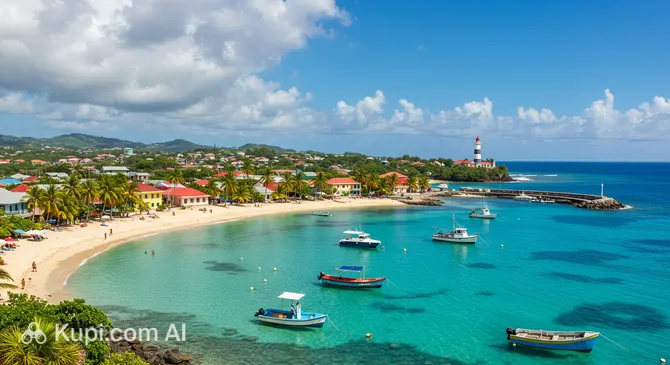
Saint-François is a true Caribbean paradise, snugly nestled on the eastern tip of Grande-Terre. The town is situated between the sparkling waters of the Atlantic Ocean and picturesque rocky shores, creating the perfect backdrop for an unforgettable vacation. If you are planning a trip to Guadeloupe, this resort is a must-include on your itinerary for its white sandy beaches and palm groves.

Saint-François. Illustration.
Source: Kupi.com AI

Despite its modest size and a population of about 3,000 people, Saint-François possesses the special charm of a lively port town. The atmosphere here is a wonderful cocktail of French elegance and Creole ease. The port serves not only as a mooring for modern yachts but also as an important starting point for sea voyages to neighboring islands, such as Marie-Galante and the Les Saintes archipelago.

The town offers guests a wide range of leisure activities: from tasting exquisite dishes in cozy bistros to shopping at bustling markets full of tropical fruits and spices. The rich history of Saint-François has left its mark on the architecture and traditions, harmoniously blending into the modern resort rhythm. Outdoor enthusiasts will find excellent conditions here for diving and catamaran trips.

Saint-François is a place where endless summer begins, and every sunrise brings new shades of turquoise. Come here to enjoy a relaxed vacation, the warm sun, and the unique flavor of one of the most beautiful corners of the Caribbean.

Weather Overview

The climate in Saint-François is the embodiment of the eternal summer characteristic of tropical latitudes. Comfortable and stable weather prevails here year-round, without sharp temperature fluctuations. Even in the "coolest" months, such as January and February, the average air temperature remains at a pleasant +25°C, while at the height of summer and early autumn (from June to September), the air warms up to +27...+28°C.

Expect consistently warm weather throughout the year with high humidity and frequent, though usually brief, precipitation. Rain is a regular occurrence here: the number of rainy days varies from 17 in March to 27 in July. However, these are generally quick tropical downpours that bring freshness and are rapidly replaced by bright sunshine, without interfering with beach holidays.

When planning your trip, it's useful to know that March is considered the month with the fewest rainy days, and September is one of the warmest. More detailed weather in Saint-François by month will help you choose the ideal time for your visit, whether it's for sunbathing or active water sports.

Average monthly temperature

Average monthly precipitation

Interesting Facts

Aside from its famous beaches and restaurants, Saint-François holds many fascinating stories and secrets that reveal themselves only to inquisitive travelers. Here are a few facts that will allow you to look at this resort town in a new light:
  • Heritage of the Monks. The town was named after Saint Francis of Assisi. In the 17th century, Capuchin monks settled here, and it was their presence that shaped the unique atmosphere where Caribbean exoticism intertwines with the cozy feel of old Europe.

  • Whale Watching Point. Near the town lies a historical area where the Pointe des Châteaux fortress was founded in 1683. Today, it is not only an architectural monument but also an ideal location for watching whales, which swim close to the local shores in the spring.

  • Pirate Secrets. The local coast is steeped in legends of corsairs. Residents pass down stories from generation to generation about pirate treasures and ancient finds that are sometimes discovered in the sand, for instance, while relaxing on the picturesque Raisins Clairs Beach.

  • Center for Maritime Adventures. Saint-François is a true mecca for lovers of the underwater world. The town serves as the main departure point for diving expeditions to colorful coral reefs and sea trips throughout the archipelago.

Raisins Clairs Beach. Illustration.
Source: Kupi.com AI

Traveler photos:

How to Get There

When planning a trip to this picturesque resort, it's worth thinking about the logistics in advance, as the town is located on the island part of the country. You can find more details on how to get to Saint-François on a dedicated page, and below we will discuss the key transport hubs through which tourists most often arrive.

The most convenient and popular way to reach the town is by flying into Pointe-à-Pitre International Airport (IATA: PTP). It's important to note that Saint-François itself does not have an international airport that accepts regular passenger flights. Although there is a small local airfield in the town, it primarily serves private aviation and is not used for mass tourist transport. Therefore, you will need to fly to Pointe-à-Pitre, which is about 28 km from the resort. The journey from this air hub to your destination by taxi or rental car will take approximately 60–65 minutes.

As an alternative for complex routes, you can consider Martinique Aimé Césaire International Airport (IATA: FDF). It is located in Fort-de-France on the neighboring island of Martinique, about 186 km away. This is also a major airport, but to get from there to Saint-François, you will need to transfer to a domestic flight or take a ferry between the islands.

For clarity, here is a summary of the main airports in the region:

AirportPassenger trafficDistance
Pointe-à-Pitre International Airport2.2 mln28 km
Les Bases5 00042 km
Melville Hall Airport100 00078 km
Canefield Airport20 000102 km
V.C. Bird International Airport981 159112 km

There is no rail service on the island, so after arriving at Pointe-à-Pitre Airport, the primary means of reaching Saint-François are the roads. Tourists frequently use taxis, hotel transfers, or rent a car right at the arrivals terminal to enjoy the scenic views of Guadeloupe on the way to their vacation spot.

Main Attractions

Saint-François offers tourists a harmonious blend of natural beauty and developed resort infrastructure. One of the region's main natural attractions is undoubtedly the Pointe des Châteaux. This rocky peninsula, resembling the prow of a giant ship, juts into the Atlantic Ocean and gives travelers breathtaking views of the crashing waves and the silhouette of the neighboring island, La Désirade. A walk to the large cross at the top of the hill is a mandatory item on the program for every guest of the town.

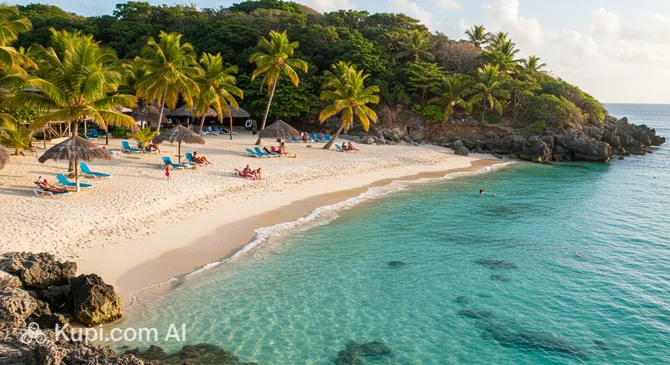
For those who prefer a more tranquil holiday by the water, Raisins Clairs Beach is a real magnet. This is perhaps the town's most famous beach, renowned for its soft light sand and crystal-clear water. It gets its name from the sea grape trees growing along the shoreline, providing pleasant natural shade. Here, you can not only sunbathe but also enjoy picnics in true Caribbean style.

Raisins Clairs Beach. Illustration.
Source: Kupi.com AI

Traveler photos:

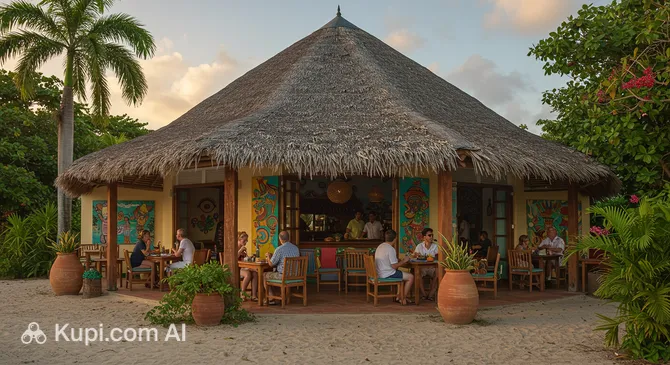
In the evening, the Marina area becomes the center of attraction, where life revolves around the yacht harbor. Gastronomy here is elevated to a cult status, and some establishments have become attractions in their own right. For example, the Le Zagaya restaurant attracts gourmets with its exquisite cuisine, combining French traditions with local products. It is the perfect place to try the freshest lobsters in a romantic setting overlooking the lagoon.

Le Zagaya. Illustration.
Source: Kupi.com AI

Traveler photos:

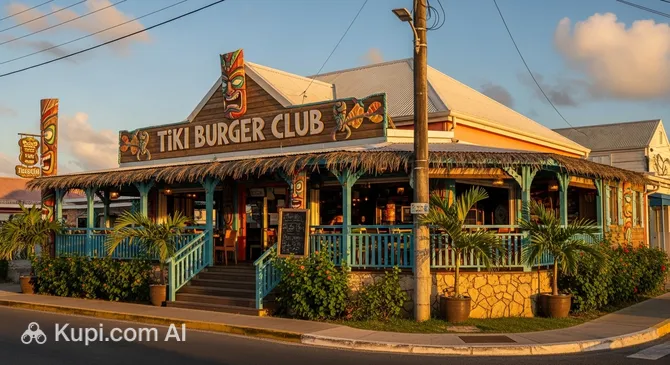
For tourists looking for a more casual and fun atmosphere, the Tiki Burger Club has become an iconic spot. This establishment is popular not only for its excellent burgers but also for its unique style, which perfectly captures the island's relaxed spirit. Visiting such places allows for a better understanding of the modern culture of Saint-François, where high style exists alongside the simple joys of life.

Local Cuisine

The gastronomy of Saint-François is a vibrant explosion of flavors where refined French culinary traditions meet spicy Creole exoticism. The stars of any meal here are invariably the freshest seafood: lobsters, crabs, octopus, and swordfish. They are usually served with piquant sauces that highlight the natural taste of the sea's bounty without overpowering it.

To experience the island's haute cuisine, it's worth visiting local restaurants such as Le Zagaya. In such establishments, you can appreciate how chefs masterfully combine European presentation with local ingredients. However, simple "folk" food is no less interesting. Be sure to try "accras" — crispy Creole fish fritters (usually cod) with herbs, which are sold everywhere: from street stalls to the menus of the best restaurants as an appetizer.

Among the main dishes, "Colombo" is considered the king of the table. This is a thick, fragrant stew made from meat (most often chicken or goat) or fish, simmered with vegetables and a special blend of spices resembling Indian curry but with a unique Caribbean twist. Those who like to snack on the go will enjoy the local street food: right on the waterfront, accompanied by the sound of the surf, appetizing kebabs and sweet plantains are grilled, and thirst is quenched with freshly squeezed passion fruit juices or fruit smoothies.

The dessert menu in Saint-François will delight those with a sweet tooth with traditional pastries filled with banana or coconut. And, of course, the town's gastronomic portrait would be incomplete without mentioning the drinks. Guadeloupe is famous for its rum, produced on neighboring plantations. It is drunk both neat (aged "rhum vieux") and as part of the popular "Ti' Punch" cocktail (rum, lime, and cane sugar). For those who prefer non-alcoholic drinks, an abundance of coconut water and tropical fresh juices is always available.

The food culture here is closely linked to socializing and festivals. Gastronomic festivals with masterclasses from chefs regularly take place in the town. And visiting the farmers' markets, where stalls overflow with mangoes, pineapples, and spices, is a great opportunity not only to buy tasty souvenirs but also to immerse yourself in the authentic atmosphere of island life.

Travel Tips

Preparing for a trip to Saint-François is the key to ensuring your Caribbean vacation goes off without a hitch, leaving only pleasant memories. We have gathered the most important practical recommendations to help you feel confident and comfortable in this picturesque corner of Guadeloupe.

  1. Clothing and Gear. Given the tropical climate, prioritize light clothing made from natural fabrics (cotton, linen). The sun here is very strong, so a hat, sunglasses, and high-SPF sunscreen are essential. For evening outings to the Marina restaurants, casual chic style (elegant everyday wear) is appropriate. If you plan a trip to Pointe des Châteaux, be sure to bring comfortable closed shoes or sandals with a heel strap—walking on rocks in flip-flops is unsafe.

  2. Transport Freedom. Public transport (buses) in Saint-François runs irregularly and often stops working as early as 6:00–7:00 PM. To avoid being dependent on schedules and to freely visit remote beaches, it is strongly recommended to rent a car. Taxis are expensive, and catching one on the street is almost impossible; they must be booked in advance by phone or through your hotel.

  3. Finances and Payment. Guadeloupe is part of France, so the official currency here is the Euro (€). Bank cards (Visa, Mastercard) are accepted in most shops and restaurants. However, for purchases at the famous night market, paying for small souvenirs, or street food ("bokits"), be sure to have cash in small denominations. There are ATMs in the town, and they are not difficult to find.

  4. Health and Safety. Medical care is at a high European level; pharmacies are marked with a green cross and follow standard hours (with duty pharmacies open 24/7). The main health recommendation is protection against mosquitoes, which can carry tropical fevers; be sure to use repellents, especially at sunset. Tap water is considered safe, but due to its specific mineral composition, tourists are better off drinking bottled water.

  5. Communication. The official language is French, and locals also speak Creole. English is understood in large hotels and tourist areas, but not everywhere. Learn a few basic phrases: Bonjour (Good day) and Merci (Thank you)—this is a sign of respect that will open many doors. A SIM card can be bought at mobile shops (Orange, Digicel) or at the post office; European roaming applies for EU subscribers.

  6. Local Etiquette. Politeness is very important on the island. When entering a shop, a bus, or addressing someone on the street, always say "Bonjour" (or "Bonsoir" in the evening). Not saying hello is considered rude. Also, embrace the local pace of life: restaurant service can be leisurely; don't rush the staff—here, it's customary to enjoy the moment.

  7. Beware: Poisonous Tree! Avoid contact with the Manchineel tree. It often grows near beaches and is usually marked with a red stripe or a danger sign. All parts of the plant are poisonous: do not touch the leaves, eat the fruit (which look like small apples), or even stand under the tree during rain, as the runoff can cause severe skin burns.

  8. Water Supply Features. Scheduled water outages ("tours d'eau") occasionally occur on the island, especially during the dry season. We recommend always keeping a small supply of drinking and utility water in your room in case of temporary interruptions.

By following these simple tips, you can avoid minor domestic inconveniences and focus entirely on the beauty of Saint-François. This hospitable town is ready to give you the perfect Caribbean holiday, full of sun, flavors, and bright impressions!

Entertainment & Nightlife

Nightlife in Saint-François is significantly different from the noisy parties of major metropolises. You won't find massive night clubs with techno music until dawn here; however, the town offers an elegant and diverse evening program. The epicenter of all entertainment after sunset is La Marina district. It is here, along the waterfront, that the main bars, restaurants, and the casino are concentrated, creating a lively yet relaxed atmosphere.

An evening in Saint-François traditionally begins with a leisurely dinner. Gastronomy here is part of the entertainment. For a great start, head to Le Zagaya restaurant, located right by the water. Here you can enjoy exquisite lobster dishes accompanied by good wine while watching the yacht lights. The crowd in such establishments usually sticks to a "casual chic" style — light but elegant clothing is perfect.

Tiki Burger Club. Illustration.
Source: Kupi.com AI

Traveler photos:

If you are looking for a more casual and youthful atmosphere, it's worth checking out the Tiki Burger Club. This place is popular for its signature cocktails, great music, and informal setting. The bar often becomes a meeting point for those who want to socialize and have a fun time with friends. Additionally, an important part of the town's nightlife is the Casino de Saint-François, located opposite the marina. It is not just a place for gambling but also a venue for concerts and show programs.

In terms of safety, the Marina area and its adjacent well-lit streets are considered safe for night walks. However, tourists are advised not to wander off into unlit residential neighborhoods or deserted beaches at night. The main challenge late-night revelers might face is transport. Catching a taxi on the street at night is almost impossible. If you plan to stay out late, it's better to arrange a transfer in advance or use a rental car (if you have a "designated driver"), as public transport does not run in the evening.

During the day, the town's entertainment program shifts towards active recreation. Tourists can visit the famous 18-hole golf course, go on a sea excursion, or spend time on the coast, for example, at the picturesque Raisins Clairs Beach. Daytime flight tours from the local airfield are also popular, allowing you to see the beauty of Guadeloupe from a bird's-eye view.

Parks & Museums

While Saint-François is primarily known as a seaside resort, the town and its surroundings offer tourists interesting opportunities to get acquainted with tropical nature and the local cultural code. Here, well-kept green zones transition smoothly into wild historical landscapes, while small museums and art spaces tell stories of the island's rich traditions.

The main natural attraction of the area is undoubtedly Pointe des Châteaux. This is not just a picturesque cape, but a protected natural area with unique flora, where rocky cliffs buffeted by Atlantic winds create a dramatic and memorable landscape. Another important green oasis is the territory of the International Golf Club. Even if you aren't into sports, this place is impressive for its landscape design, created by the famous architect Robert Trent Jones: perfectly manicured lawns sit side-by-side with coconut groves and flowering shrubs. Lovers of relaxation in natural shade will also enjoy Raisins Clairs Beach, which, thanks to its famous sea grape trees, is essentially a coastal park area.

For those wanting to dive deeper into the region's culture, The House of Coconut (La Maison de la Noix de Coco) is a must-visit. This eco-museum and garden, located on the outskirts of the town, is entirely dedicated to the coconut palm. Here, tourists are taught about the role of this plant in island life, shown the nut processing procedures, and offered unique handcrafted items. Another significant focal point is the cultural space Kreol West Indies. This is both a gallery and a museum, housing an impressive collection of Caribbean historical heritage items and contemporary art pieces that vividly reflect Creole identity.

The town's historical appearance is complemented by architectural monuments recalling its colonial past. Of particular note is the Moulin de Chateaubrun — the majestic ruins of an old sugar mill that serve as a silent witness to the island's agrarian era. It is also worth visiting the town's central church and the town hall building, both designed in a traditional style, which form a cozy historical center.

Insider Tip: To see a "different" Saint-François, go for a walk along the "Sentier des Douaniers" (Customs Path). This hiking route, running along the shoreline, provides access to hidden wild bays and allows you to enjoy the pristine nature of Guadeloupe far from the noisy tourist beaches.

Getting Around

The public transport system in Saint-François, as in many small resort towns in the region, has its own specifics. You won't find a metro, trams, or trolleybuses here. The main way of getting around for locals and tourists who don't rent a car is by bus. Intercity bus lines connect the resort with the major transport hub of Pointe-à-Pitre and neighboring settlements like Sainte-Anne and Le Moule. The bus station (Gare Routière) is located near the town center and the sea port, making transfers fairly convenient.

Bus fares are paid mainly in cash directly to the driver upon boarding. It is important to have small bills and coins (Euros) with you, as change for large banknotes may not be available. The cost of a trip depends on the distance but remains very affordable. Special transport cards or mobile payment apps for the buses are not usually available for tourists in this zone, so the old-fashioned "cash in hand" method is the most reliable.

Water transport occupies a special place in the transport system of Saint-François. The town's maritime station (Gare Maritime) is an important hub from which ferries depart daily to the neighboring islands: La Désirade, Marie-Galante, and Les Saintes. Ferry tickets can be purchased at the port ticket offices or booked in advance online via the ferry companies' websites. It is recommended to arrive for boarding at least 30–40 minutes before departure to complete all necessary procedures.

For comfortable travel within the town and trips to distant attractions like Pointe des Châteaux, the most popular alternative to public transport is renting a car. This gives you freedom from bus schedules, which can be irregular, especially on weekends and in the evenings. Rental offices are located both in the town center and near the airfield. Taxis are also available, but it's best to book them by phone in advance, as catching a car on the street can be problematic, and the fare can be high.

Tourists should consider an important point: public transport in Saint-François practically stops working after 6:00–7:00 PM. If you plan a late dinner at a restaurant or an evening stroll, think about your return route in advance. Bus stops are marked with signs, but often you need to "hail" the bus with your hand to signal the driver to stop. The schedules at the stops are more indicative than precise, so always allow extra time for waiting.

Accommodation

Saint-François is considered one of the most prestigious and developed resorts in Guadeloupe, so the choice of accommodation here is impressive in its variety and quality. The town offers options for every taste: from budget-friendly guesthouses ("gîtes") and cozy bungalows to luxury villas with private pools and fashionable hotel complexes. A feature of the local market is the large sector of private rentals — spacious apartments and villas are often in even higher demand here than rooms in classic hotels.

When choosing a location, you should focus on your vacation style. The most convenient area for active tourists is La Marina and the historical center. By staying here, you will be within walking distance of gastronomic establishments, shops, the golf course, and the sea port, from where ferries depart for neighboring islands. This is an ideal choice for those who want to be in the heart of the action and do not plan to rent a car for the entire duration of the trip.

If you are looking for seclusion, quiet, and panoramic ocean views, look for accommodation along the road to Pointe des Châteaux. This zone is home to elite residences surrounded by lush tropical greenery. However, a car is essential for a comfortable stay in this area, as the infrastructure is some distance away. Beach lovers often choose apartments in the immediate vicinity of Raisins Clairs Beach to start every morning with a swim in the sea.

Booking Tip: High season in Saint-François lasts from December to April (the dry season). During this time, the demand for accommodation, especially for villas and highly-rated hotels, reaches its peak. It is strongly recommended to book your stay at least 3–4 months in advance to guarantee availability and secure better prices.

The price range of the resort varies from mid-range to luxury. Budget options can be found, but they are significantly fewer than in other, less touristy parts of the island. Booking is available through all popular international online aggregators, however, many owners of private villas and small residences also work actively through direct inquiries. Please note that a tourist tax (taxe de séjour) is often charged upon arrival, which may not be included in the stated price of accommodation.

Nearby Cities

For those looking to explore the surroundings, Saint-François serves as an excellent starting point for day trips to several interesting nearby locations:

Just 25 km off the coast lies the island of La Désirade. This is the corner of the archipelago least touched by civilization, attracting lovers of peace, wild nature, and geology. People go there to enjoy deserted beaches and see rare iguanas in their natural habitat. You can get there by ferry directly from the port of Saint-François.

If you are interested in urban life and history, it is worth visiting Pointe-à-Pitre, the region's economic capital. Here you can stroll through colorful spice markets, view the colonial architecture of Place de la Victoire, and visit the famous Memorial ACTe dedicated to the history of slavery. The car trip takes less than an hour.

A little further away is the picturesque Terre-de-Haut, part of the Les Saintes archipelago. This place is famous for having one of the most beautiful bays in the world and the historic Fort Napoléon. Charming streets with colorful houses and magnificent views make it an ideal destination for a romantic walk or a photo shoot.

CityPopulationDistance
La Desirade1 60025 km
Pointe-à-Pitre250 95228 km
Guadalupe7 60430 km
Grand Bourg5 50041 km
Basse-Terre30743 km

These nearby destinations provide an insight into the diverse culture and landscapes of the region.

Shopping & Souvenirs

Shopping in Saint-François is not a chase for global brands in giant malls, but rather a pleasant addition to a resort holiday, filled with local flavor and French charm. Being one of the main tourist centers in Guadeloupe, the town offers an excellent balance between elegant boutiques and authentic markets. Here you can find high-quality summer clothing from Europe as well as unique artisan goods that will serve as a wonderful reminder of your Caribbean vacation.

The heart of the town's shopping life is the Marina (La Marina) district. Walking along the promenade where white yachts are moored, you will discover many small shops and boutiques. They sell designer swimwear, beachwear, jewelry, and high-quality souvenirs. It is the perfect place for a leisurely stroll: after shopping, you can immediately relax in one of the neighboring establishments, for example, near the Le Zagaya restaurant, while enjoying the view of the lagoon.

Saint-François does not have the giant shopping centers typical of metropolises. Instead, there are small shopping galleries, such as Les Comptoirs de Saint-François. Clothing stores, opticians, pharmacies, and souvenir shops are concentrated here. For groceries, local rum, and delicacies, tourists usually head to the large supermarkets (such as Super U or Casino) located on the outskirts of the town center. They offer a wide range of French cheeses, wines, and local goods at fixed prices.

The real soul of the town is its markets. The most famous is the La Rotonde Market (Marché de la Rotonde), located in the center, near the town hall. Every morning (except Monday), life bustles here: farmers sell exotic fruits, vegetables, and fresh fish. A special event is the Night Market, which takes place on Tuesdays. At this time, the streets are filled with the aromas of street food, the sounds of music, and stalls with artisan products. It's the best place to buy spices, homemade jams, or just soak up the festive atmosphere before heading for dinner at Tiki Burger Club.

As souvenirs from Saint-François, it's worth bringing back products that reflect the taste and culture of the island. First and foremost, of course, is rum (rhum agricole) — white or aged. Also popular are sets of Creole spices (Colombo mixes), vanilla, coffee, and locally produced chocolate. Look out for items made from "Madras" fabric — a bright checkered material that is a symbol of Creole fashion. Handcrafted items made from coconut or seashells by local artisans also make great gifts.

When planning your shopping, take the local daily schedule into account. Most shops open around 8:30–9:00 AM and work until 12:30 or 1:00 PM. Then there is a long lunch break (siesta), and doors open again only after 3:00 or 4:00 PM, staying open until 6:00–7:00 PM. Large supermarkets usually work without a break. Most shops are closed on Sunday, and on Wednesday and Saturday, many work only until lunch. The primary currency is the Euro (EUR). Bank cards are accepted almost everywhere, but for market purchases, be sure to have cash, preferably in small denominations.

Guadeloupe is an overseas region of France, so a tax refund system (Détaxe) is available for residents of non-EU countries. If you make a purchase in one store for an amount exceeding a certain limit (usually 175 euros, but conditions can vary), you can ask to fill out a tax-free form. However, remember that VAT on the island is lower than in mainland France (8.5%), so the benefit may not be as significant, and not all small boutiques support the process.
Reached the end of the page?

That means the route is fully explored