Support

Basilica of Saint Peregrine

About

In the heart of the charming city of Forlì lies a place filled with deep spiritual meaning and peace — the Basilica of Saint Peregrine. This Catholic church in Italy is not just an architectural monument, but an essential pilgrimage center. It is dedicated to Saint Peregrine Laziosi, who is revered by believers as the patron saint of people suffering from cancer and other serious illnesses.
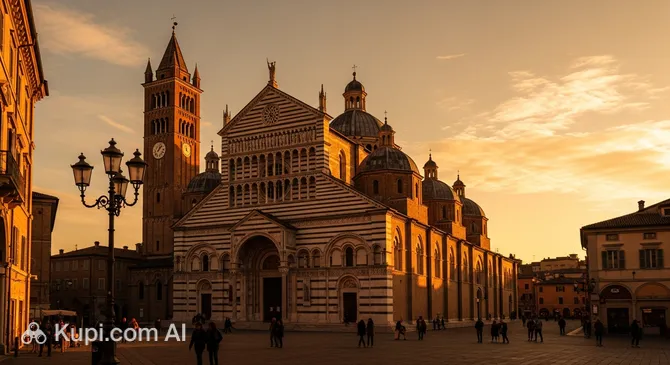
Basilica of Saint Peregrine
Basilica of Saint Peregrine. Иллюстрация. Источник: Kupi.com AI

The church is a classic example of Italian ecclesiastical architecture with harmonious forms and a simple yet majestic facade. The basilica consistently attracts pilgrims from around the world seeking hope and spiritual strength in prayer at the saint's relics. For regular tourists, this place is interesting for its special atmosphere of tranquility, which contrasts sharply with the bustle of modern cities.

Inside, visitors will find a traditional interior decorated with religious artworks telling the story of Saint Peregrine's life and miracles. Thanks to its high traveler rating and significance to the local community, the basilica is considered one of the key cultural and religious points on the map of the Emilia-Romagna region.

Contacts

To contact the church administration or inquire about Mass times, you can use the following contact details. Although an official website is not currently listed, information about the basilica is widely available in the city's tourist guides.

How to contactContact
AddressVia Girolamo Mercuriali, 1, 47121 Forlì FC, Италия
Phone+39 0543 34245

What to Do

The main reason people visit this site is the opportunity to venerate the relics of Saint Peregrine. Visitors can approach the altar where the relics are kept, leave a lit candle, and spend time in quiet prayer. Even if you are not religious, it is worth stepping inside to appreciate the craftsmanship of Italian artists and sculptors whose works adorn the walls and vaults of the church.

Pay special attention to the details of the facade and interior decor, which tell a story of faith and resilience. Masses are often held in the basilica, and participating in one allows you to experience the city's living tradition. The calm and solemn atmosphere makes this place ideal for spiritual rest and reflection away from noisy tourist routes.

Photography enthusiasts will appreciate the soft light filtering through the windows, highlighting the texture of the ancient stone and the elegance of the interior. It is recommended to visit during quiet morning hours when there are fewer pilgrims, allowing you to fully experience the sacred energy of this ancient building.

Getting There

The Basilica of Saint Peregrine is located in the historic center of the city, making it easily accessible for tourists. If you are already walking through the central streets, the walk from the main square, Piazza Saffi, takes only 10–15 minutes. For precise navigation, it is convenient to use online maps, aiming for the address Via Girolamo Mercuriali, 1.

Travelers arriving by car should take the A14 motorway, take the Forlì exit, and then follow the "Centro" signs. You can park your car in paid parking lots along Via Girolamo Mercuriali or on neighboring streets. If you prefer public transport, use the ATTS Forlì urban buses to the Mercuriali stop, which is located in the immediate vicinity of the church.

For those arriving from Bologna or Rimini, the train is the best option. From the Forlì railway station, you can reach the basilica on foot in 20–30 minutes or by local bus. If your journey starts at Forlì Airport (FRL), a taxi ride will take no more than 10 minutes, as the distance is only about 5 kilometers.

Ближайший город: Forli

History & Facts

The history of this holy place is inextricably linked to Peregrine Laziosi, a 13th-century Italian Dominican monk. According to legend, Peregrine experienced a miraculous healing from a severe illness, after which he dedicated his life to service. In 1726, Pope Benedict XIII canonized him, and since then, the saint has been revered as the patron saint of people battling cancer and other serious illnesses.

The basilica itself was built in honor of the saint on a site that has been considered sacred by the city's residents for centuries. It became an important pilgrimage center not only for Italians but for believers worldwide. Every year on May 1st, solemn services are held here on the saint's feast day, gathering hundreds of parishioners.

The architectural appearance of the church reflects the classic traditions of Italian building. There is no excessive pomp; instead, one feels a special atmosphere of humility and spiritual strength. Inside the building, the relics of Saint Peregrine are carefully preserved, serving as the main shrine of the church and an object of devotion for numerous pilgrims.

Time Needed

For a brief look at the interiors and architecture of the church, 30–60 minutes is usually sufficient. This time is enough to see the main altar, pay respects to the saint at his relics, and take a few memorable photos in a calm setting.

If you plan to attend Mass or wish to spend time in quiet prayer and reflection, you should budget about an hour and a half. The basilica encourages leisurely contemplation, so many visitors prefer not to rush, enjoying the silence and the majestic decoration of the church.

Working Hours

The Basilica of Saint Peregrine hospitably opens its doors to parishioners and tourists daily. The church's operating schedule remains stable throughout the year: doors are open from 04:30 AM to 06:45 PM without a lunch break, which is quite rare for Italian churches.

Such an early opening hour makes the basilica accessible even to those who prefer to start their walks at dawn. However, before visiting, it is recommended to check the current liturgical schedule on the information boards at the entrance or on official city resources to ensure your visit does not coincide with closed ceremonies.

04:30–18:45

Nearby

The basilica's location in the historical core of the city allows tourists to easily combine a visit to the church with other iconic sites. A stroll through the surroundings will reveal magnificent palaces, cozy squares, and medieval fortifications that form the unique character of this Italian corner.

Exploring the central streets of Forlì is a great way to gain a deeper feel for the history of the Emilia-Romagna region. Below is a list of interesting sites that can be reached on foot in just a few minutes.

NameDistance
Gardelli Specialty Coffees0.2 km
Piazza Aurelio Saffi0.3 km
Desco0.3 km
La Marì Pizzeria0.3 km
Abbey of San Mercuriale0.3 km
San Domenico Museums0.5 km
Rocca di Ravaldino0.6 km

Reached the end of the page?

That means the route is fully explored