Support

Shinjuku Golden-Gai

About

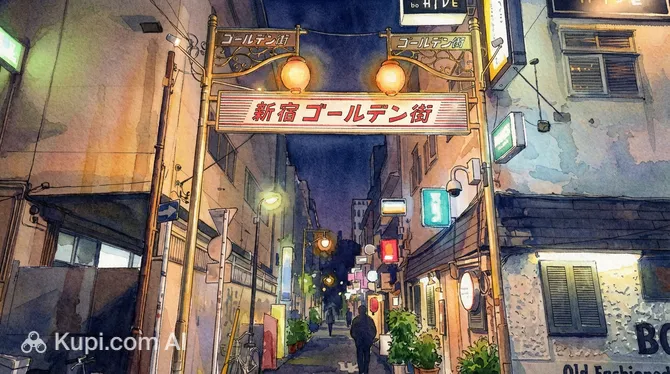
Shinjuku Golden Gai is a legendary district in the heart of Tokyo, a unique tangle of narrow alleys and over 200 tiny bars. Unlike the gleaming skyscrapers of modern Japan, this place has preserved the look and atmosphere of the mid-20th century, offering travelers a rare glimpse into the city's retro past.
\n\n
Shinjuku Golden Gai. Illustration.
Source: Kupi.com AI

Traveler photos:

\n\n

The area consists of a network of cramped streets lined with two-story wooden buildings known as shanties. These structures are so close they almost touch, creating a cozy labyrinth filled with neon signs and muffled music. Each bar here is a miniature world of just a few square meters, where only 5 to 10 patrons can sit at the counter at once.

\n\n

Recognized as a historical heritage site, its architecture is protected from demolition. Located a few minutes' walk from Shinjuku Station's East Exit, Golden Gai comes alive at dusk, becoming one of the most atmospheric and photogenic spots in the night city, where the spirit of old Tokyo from the economic miracle era still lingers.

Contacts

When planning an evening visit to Shinjuku Golden Gai, we recommend checking the latest information on the official website of the district's association, as the hours of individual establishments can change. Since it is a decentralized network of independent bars, the most up-to-date details and contact information for specific spots are best found on-site or through official web resources.

How to contactContact
AddressЯпония, 〒160-0021 Tokyo, Shinjuku City, Kabukichō, 1-chōme−1−6 あかるい花園 五番街
Phone+81 3-3209-6418
Websitegoldengai.jp

What to Do

The main activity in Shinjuku Golden Gai is traditional bar hopping. Each of the 200 establishments has its own unique concept: you can find bars dedicated to jazz, rock, classic cinema, or even anime. It’s the perfect place to try rare Japanese whiskies, craft beer, or traditional sake in an intimate setting while chatting with the bartenders, who are often the owners of these tiny pubs.

\n\n

A simple stroll through the labyrinth of alleys is an exciting adventure in itself. Be sure to notice the details: old neon signs, steep stairs leading to second floors, and tiny building facades. Keep in mind that many bars have a cover charge (entry fee), and some establishments cater only to regular customers. Look for signs at the entrance—tourist-friendly spots often display English menus, inviting you to step inside and become part of this unique nightlife culture.

Getting There

The Shinjuku Golden Gai area is very conveniently located: just a 5–10 minute walk from the East Exit of Shinjuku Station, which is the city's largest transport hub. The address is 1 Chome-1 Kabukicho, Shinjuku City. To get there, walk along the busy Yasukuni-dori street toward Kabukicho, following signs for the Hanazono Shrine—the entrance to the district is located right next to it.

\n\n

If you are coming from other parts of Tokyo, it is most convenient to use the JR Yamanote or Chuo lines, as well as the Marunouchi or Shinjuku metro lines to the station of the same name. The journey from Tokyo Station by train takes no more than 15 minutes. For travelers arriving from Narita or Haneda airports, the Narita Express or comfortable limousine buses going to Shinjuku Station are the best options. A walk from the nearby Seibu-Shinjuku (about 3 minutes) or Higashi-Shinjuku (7 minutes) stations is also quick. Please note that parking in this area is virtually non-existent, and the streets are so narrow that vehicle access is impossible, making public transport the best choice for a visit.

Nearest city: Tokyo

History & Facts

The history of Shinjuku Golden Gai began in 1945, when a spontaneous black market emerged on this site immediately following the end of World War II. In the destroyed city, the area near the eastern station became a hub for trading illegal goods and essentials. In 1949, the authorities closed the market, but the traders moved slightly to the side, filling vacant lots with the small wooden structures that remain to this day.

\n\n

In the 1950s, the district turned into a lively entertainment area, and after the legislative ban on prostitution in 1958, traditional Japanese pubs—izakaya—began to open in large numbers. In the 1960s and 1970s, the area became a favorite spot for Tokyo’s intelligentsia, writers, directors, and artists, earning the unofficial name "City of Culture" (Bunkajin no Machi). It was during this period that the unique bohemian atmosphere, which the district preserves to this day, was formed.

\n\n

During the economic boom of the 1980s, Golden Gai almost disappeared from the city map. Local bar owners heroically resisted developers' attempts to buy the land for modern office centers, organizing voluntary night watches to protect the wooden buildings from arson. After the "financial bubble" burst in the 1990s, the pressure from developers eased, allowing this fragile historical enclave to be preserved as an invaluable part of Japan's cultural heritage.

Time Needed

To fully experience the atmosphere of Shinjuku Golden Gai, you should set aside 2 to 4 hours in the evening. About an hour can be spent leisurely walking through all six alleys, admiring the facades, and choosing a suitable spot. The remaining time is best spent relaxing in 3–5 different bars to appreciate their unique themes and interiors.

\n\n

The ideal time for a visit is between 8:00 PM and midnight, when the district is most lively. If you decide to visit on the weekend, be prepared for the most popular bars to be full, so you might need extra time to wait or find an alternative spot in the maze of neighboring streets.

Working Hours

Life in Shinjuku Golden Gai kicks off as evening falls. While the district itself is accessible for walks around the clock, the vast majority of bars begin operating between 7:00 PM and 8:00 PM. Peak activity occurs during the late-night hours, and many establishments remain open until 2:00 AM–5:00 AM, especially on Friday and Saturday.

\n\n

Since every establishment in the district is completely independent, there is no single strict schedule. If you plan to visit a specific bar, it is recommended to check its hours on the district association’s official website or on-site, as the schedule can vary depending on the day of the week and the owner's preferences.

Open 24 hours

Nearby

Exploring the surroundings of Shinjuku Golden Gai will allow you to see the striking contrast between historical tradition and the futuristic present of Tokyo. Just a few steps from the bars lies the serene Hanazono Shrine, which serves as a quiet oasis of calm amidst the neon lights. Also nearby is the famous Godzilla Head, towering over the Kabukicho district and becoming a favorite spot for photos.

\n\n

History buffs should stop by the nearby Samurai Museum to learn about the traditions of ancient warriors. A walk through these areas will help you gain a deeper understanding of the city's multifaceted culture, where ancient temples stand alongside bohemian alleys and ultra-modern entertainment centers.

NameDistance
Suga Shrine2 km
Shibuya Coffee Bar3.4 km
Nezu Museum3.7 km
Blue Note Tokyo3.8 km
Shibuya Stream Bar4.1 km
Tokyo Imperial Palace4.4 km
Nijubashi Bridge4.7 km

Reached the end of the page?

That means the route is fully explored