Support

Flamenco Dance Museum

About

The Flamenco Dance Museum (Museo del Baile Flamenco) in Seville, Spain, is a truly unique cultural space entirely dedicated to the passionate and expressive art of flamenco. It is nestled in a carefully restored 18th-century building in the heart of the historic Santa Cruz quarter, one of the city's most colorful and picturesque neighborhoods.
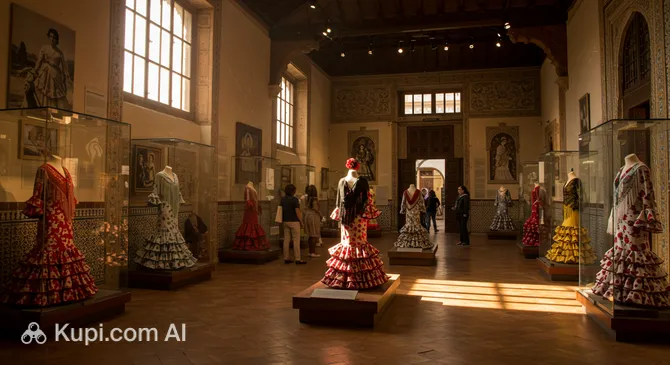
Flamenco Dance Museum. Illustration.
Source: Kupi.com AI

Traveler photos:

This private museum is the brainchild of the outstanding flamenco dancer Cristina Hoyos, whose name is written in gold in the history of world dance. The museum occupies a four-story building where the original style and unique atmosphere of the historic structure have been carefully preserved. The typical Andalusian courtyard on the first floor is particularly noteworthy, inviting visitors to soak in the authentic atmosphere.

The Flamenco Museum in Seville is an important cultural center housing valuable historical exhibits that tell the rich story of this unique art form, recognized by UNESCO as Intangible Cultural Heritage of Humanity. It is an ultra-modern space where centuries-old traditions meet the latest technology, allowing every guest to not just learn about flamenco but to truly feel its soul and energy.

Contacts

For the most up-to-date information on the Flamenco Museum opening hours, ticket prices, and contact details, we recommend visiting the museum's official website. Useful information can also often be found at tourist information centers in Seville or on-site upon arrival.

How to contactContact
AddressC. Manuel Rojas Marcos, 3, Casco Antiguo, 41004 Sevilla, Spain
Phone number+34 954 34 03 11
Websitetickets.museodelbaileflamenco.com

What to Do

At the Flamenco Dance Museum, visitors can immerse themselves in the captivating world of this passionate Spanish art. You can explore the rich history and culture of flamenco through various exhibitions. The displays include personal items of the famous dancer Cristina Hoyos, authentic costumes, historical photographs, documents, and other artifacts tracing the development of the dance. Each room offers a unique perspective on different aspects of flamenco, from its roots to modern interpretations.

One of the main highlights of the museum is the live flamenco performances held regularly in a specially equipped hall on the ground floor. This is a unique opportunity to see and feel the full power and expression of the dance performed by professionals. Additionally, the museum offers interactive opportunities: workshops and flamenco classes are available for everyone, regardless of their level. Under the guidance of experienced instructors, and sometimes even Cristina Hoyos herself, you can learn basic movements or refine your skills. For those interested in the music, Spanish guitar lessons are even organized.

Beyond the main exhibits and performances, it's worth paying attention to the building itself. The basement level carefully preserves the original atmosphere of the ancient structure, adding a special charm to the tour. The ground floor, with its typical Andalusian courtyard (patio), serves not only as an exhibition space but also as a venue for various themed events, creating a unique atmosphere for full immersion into the world of flamenco.

Getting There

The Flamenco Museum is ideally located in the heart of Seville, in the colorful historic Santa Cruz quarter. The museum's exact address is Calle Manuel Rojas Marcos, 3. This iconic spot is just a few steps from Plaza de la Lucerna, making it easily accessible and easy to find for tourists exploring the city.

Thanks to its central location in one of Seville's most popular tourist areas, known for its narrow picturesque streets and historic architecture, the Flamenco Museum is very easy to reach on foot. If your itinerary includes visiting key landmarks such as the Seville Cathedral or the Alcázar, the walk to the museum won't take long and will allow you to enjoy the atmosphere of the ancient Santa Cruz quarter.

It is recommended to use Seville's public transport or simply walk to the museum. The historic center where the museum is located is characterized by narrow streets, and finding a parking spot for a car can be a real challenge. Therefore, to avoid unnecessary hassle, it is wiser to plan your route using city buses or just enjoy a leisurely stroll through the charming streets of this authentic neighborhood.

Nearest city: Seville

History & Facts

The history of flamenco itself is shrouded in mystery and continues to spark lively debate among researchers. While it is impossible to pinpoint the exact time and place of its birth, Andalusia, a region in Spain, and particularly the vibrant city of Seville, is the generally recognized birthplace of this passionate art form. There is an intriguing theory that flamenco's roots date back to the 18th century, emerging among poor Spanish peasants in small Andalusian villages who were called "fellah min gueir ard" — a phrase that may have given this unique dance its name.

The development of flamenco as a distinct art form took several centuries, absorbing rich cultural traditions — Arabic, Gypsy, Jewish, and, of course, Spanish. It is believed that the first unrefined forms of this art appeared in the 18th century among the Andalusian Gypsies, who carefully passed these traditions down through word of mouth from generation to generation. The heart of flamenco beats in the harmonious unity of its three key pillars: "cante" — deep, passionate singing; "baile" — expressive dance; and "toque" — virtuoso guitar playing.

The Flamenco Dance Museum in Seville itself is the brainchild and realized dream of the outstanding Sevillian dancer, the bailaora Cristina Hoyos. Her name has resonated on the world's greatest stages, and the pinnacle of her brilliant career was not only the founding of her own dance company but also the creation of this unique museum. This space became a tribute to the art form to which she dedicated her life, a place where everyone can touch its magic.

For her museum, Cristina Hoyos chose more than just a building — she chose a true historical artifact: an 18th-century house in the heart of Seville. This building was restored with love and incredible attention to detail. The craftsmen aimed not just to renovate it but to preserve its original character, making it an integral part of the city's rich cultural heritage. Thus, the museum building itself became another exhibit, telling the story of Seville and its unbreakable bond with the art of flamenco.

Time Needed

Exploring the main exhibition of the Flamenco Museum in Seville typically takes 1 to 2 hours. This is enough time to learn about the history of this passionate dance and view unique costumes, historical photographs, and other artifacts representing flamenco culture. Interactive displays and multimedia installations also help provide a deeper immersion into the subject.

However, for a truly complete experience at the Flamenco Museum, many visitors seek to see a live performance. The show usually lasts about one hour and serves as a vibrant climax to the visit. If you plan to attend a performance, add this time to your total. For those who want to dive even deeper into the world of flamenco, the museum offers workshops, which can take an additional 1-2 hours.

Therefore, for a comprehensive visit including the exhibition and a live show, it is recommended to set aside approximately 2.5 to 3.5 hours. If your plans include participating in a workshop, it's better to plan about half a day for a relaxed and thorough exploration of the Flamenco Museum.

Working Hours

The exact opening hours of the Flamenco Museum in Seville may vary depending on the season and the day of the week. Since up-to-date schedule information is not provided, it is highly recommended to check the museum's official website or consult local tourist information centers in Seville before your visit. This will help you get the latest information on opening and closing times, as well as any possible changes to the schedule.

Generally, cultural institutions in Spain's tourist hubs are open year-round. However, to attend the famous flamenco shows, which are an essential part of the visit, it is often recommended to book tickets in advance. This is especially relevant during peak tourist season to guarantee a seat. Check the need for pre-booking and ticket availability for your desired dates directly through the museum's official channels.

11:00 – 18:00

Nearby

Visiting the Flamenco Museum in Seville is undoubtedly a highlight, but you shouldn't stop there. Exploring the surrounding area will allow you to dive deeper into the unique atmosphere of this Andalusian city, discover other gems, and gain a more complete understanding of its rich history and culture. Many interesting sites are within walking distance, making a stroll through the district particularly pleasant and educational.

The area around the Flamenco Museum, the historic Santa Cruz quarter, is an attraction in itself with its narrow winding streets, cozy squares, and traditional houses. A leisurely walk will allow you to discover hidden courtyards, tapas bars, and craft shops, complementing your impressions of the world of flamenco with new discoveries.

NameDistance
Filo0.3 km
Casa de Pilatos0.4 km
Casa de la Memoria Flamenco Cultural Center0.4 km
General Archive of the Indies0.5 km
Metropol Parasol0.5 km
Bar Postiguillo Tapas0.6 km
Royal Alcázar of Seville0.7 km

Have you reached the end of the page?

So the route has been studied inside and out