Support

Puerta del Cambrón

About

Located in the western part of the ancient city walls of Toledo, this gateway serves as a magnificent reminder of the centuries of history preserved by Spain. The Cambrón Gate (Puerta del Cambrón) is more than just a defensive structure; it is a true architectural symbol where the austerity of the Arabic style harmoniously blends with the elegance of the Spanish Renaissance.
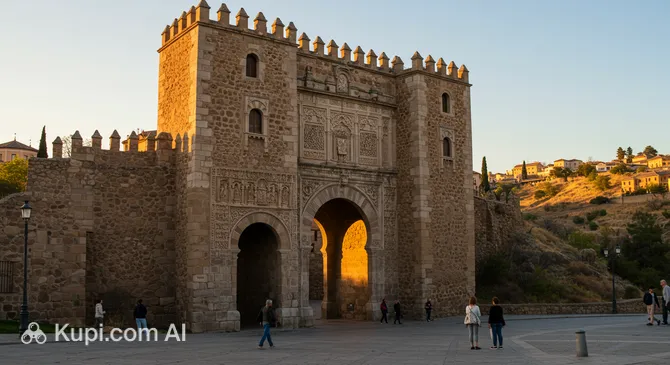
Puerta del Cambrón
Puerta del Cambrón. Иллюстрация. Источник: Kupi.com AI

Structurally, the site is a massive square building topped by four elegant brick towers. The main passage is designed as a solemn triumphal arch, inviting travelers into the historical heart of the city. The multi-layered nature of the building is of particular value: the masonry of the Arabic period can still be seen at its base, while the upper levels showcase the classic features of 16th-century Renaissance.

The significance of the gate lies in its unique preservation and artistic design. This site attracts history buffs with the opportunity to see firsthand how the architectural tastes and defensive needs of Toledo's rulers changed over the centuries.

Contacts

To plan your visit to this historical landmark, it is helpful to have the basic contact information and coordinates at hand.

How to contactContact
AddressPrta del Cambrón, 45002 Toledo, Spain
Websitecultura.castillalamancha.es

What to Do

The main activity here is a detailed study of the facades. An observant tourist will notice a significant difference between the exterior and interior designs of the gate. On the outer side, you can see the king's personal coat of arms and skillfully crafted figures of warriors guarding the entrance. The inner facade, facing the city, is decorated with a sculptural image of Saint Leocadia and the city's own coat of arms.

This location is a wonderful spot for photography enthusiasts. The mighty walls and brick towers against the Spanish sky create a perfect shot that captures the spirit of the Middle Ages. Additionally, the gate often serves as the starting point for a walk along the fortress walls, which offer impressive views of the surrounding area.

After immersing yourself in the atmosphere of this historical entrance, you can continue deeper into the city, exploring the neighboring streets where every stone breathes history. Puerta del Cambrón serves as a kind of time portal, setting the right mood before visiting the cathedral or local museums.

Getting There

Finding this monumental structure is easy: it is located on Paseo de Recaredo, in the western part of the city's historic loop. If you are already in the center, a walk will take 10 to 20 minutes, with the route passing through picturesque medieval streets.

For those who prefer public transport, city buses running along the fortress walls stop in the vicinity of the gate. You can also use a taxi from anywhere in the city; the trip from the central station or Zocodover Square will be quick and comfortable.

A landmark to look for is the famous Monastery of San Juan de los Reyes, which is located in the immediate vicinity. Following the signs for "Puerta del Cambrón," you will easily find your way to one of the most beautiful entrances to the old city.

Ближайший город: Toledo

History & Facts

The foundation of this structure holds the memory of various eras: the first fortifications on this site were built by the Ancient Romans. Later, during the reign of King Wamba, the Visigoths made their contribution, and then the Moors had to reinforce these walls to protect the impregnable city from constant raids.

The appearance we see today was shaped during a major reconstruction between 1572 and 1577. By order of King Philip II, the gate was rebuilt in the Spanish Renaissance style. This was done not only for defense but also to demonstrate imperial greatness. The facades were decorated with symbols emphasizing the monarch's Christian values, including a statue of Saint Leocadia, the city's patron saint.

The gate received its unusual name—"Cambrón"—thanks to the flora of the region. The thorny Cambroneras (buckthorn) shrub grew in abundance at its base, creating an additional natural barrier for uninvited guests.

In the 20th century, the monument went through challenging times. During the events of 1936, the structure suffered serious damage; however, subsequent careful restoration allowed its architectural grandeur to be fully restored for future generations of travelers.

Time Needed

For a brief introduction to the architecture and an inspection of the main bas-reliefs, visitors usually need about 30–45 minutes. This is enough time to take photos and study the facades from both sides.

However, if you plan to include the gate in a walking route along the fortress walls or want to leisurely explore nearby ancient monuments, you should set aside 1 to 2 hours for this location. The atmosphere of this place invites thoughtful contemplation of history.

Working Hours

Since the landmark is part of the city's architectural ensemble and is located in an open area, it is available for viewing around the clock. You can admire the gate both in bright daylight and in the evening, when special lighting emphasizes its relief details.

The site is open 24 hours a day, seven days a week, including weekends and public holidays, making it a convenient stop at any time during your travel itinerary.

Круглосуточно

Nearby

The gate's location in the western part of the old city makes it an ideal starting point for further exploration of architectural treasures. A walk through the surrounding area will allow you to see the fusion of different cultures and eras for which this region is so famous.

NameDistance
Monastery of San Juan de los Reyes0.2 km
Synagogue of Santa María la Blanca0.3 km
Taberna Embrujo0.3 km
Royal College of Noble Maidens0.3 km
Medina Mudéjar Toledo0.3 km
Church of Santo Tomé0.4 km
Synagogue of El Tránsito0.5 km

Reached the end of the page?

That means the route is fully explored