Support

National Museum of Ceramics and Decorative Arts González Martí

About

The González Martí National Museum of Ceramics and Decorative Arts (Museo Nacional de Cerámica "González Martí") is a prominent cultural institution located in the heart of the vibrant city of Valencia, Spain. The museum is housed within the walls of a majestic historical building—the Palace of the Marquises of Dos Aguas (Palacio Del Marqués De Dos Aguas). This architectural wonder, which is an irregular quadrilateral with an interior courtyard and four corner towers, is a work of art in itself and prepares visitors for an encounter with beauty.
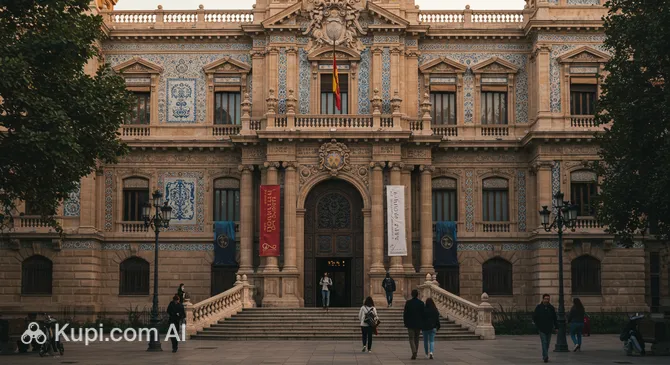
National Museum of Ceramics and Decorative Arts González Martí. Illustration.
Source: Kupi.com AI

Traveler photos:

Founded in 1947, the museum today takes pride in presenting the best collection of ceramic products in Spain. Its holdings include over 5,000 exhibits, many of which were donated from the personal collection of Manuel González Martí. We owe the preservation and promotion of this unique heritage to the man whose name the museum bears.

Manuel González Martí's personal fascination with decorative arts and his passion for ceramics were the driving forces behind the creation of this unique museum. Thanks to his efforts and generosity, today visitors from all over the world can immerse themselves in the rich history of Spanish ceramics, appreciate the craftsmanship of past eras, and be inspired by the beauty of forms and patterns.

Contacts

For the most up-to-date information regarding opening hours, ticket prices, and contact details for the González Martí National Museum of Ceramics and Decorative Arts, it is highly recommended to visit the museum's official website. You can also find useful information on Valencia's tourism portals or by contacting local tourist information centers.

How to contactContact
AddressC. del Poeta Querol, 2, Ciutat Vella, 46002 València, Valencia, Spain
Phone number+34 963 51 63 92
Websitewww.culturaydeporte.gob.es

What to Do

Visitors to the González Martí National Museum of Ceramics and Decorative Arts can immerse themselves in the wonderful world of ceramics by exploring a vast collection that spans various eras and styles. Here, you can see traditional Spanish pottery as well as magnificent examples of Greek, Roman, and Arabian ceramics. Special attention should be paid to the displays dedicated to ceramic products from Paterna, which date back to the 14th century, as well as exquisite items from Manises and Talavera. The collection also includes delicate Chinese and Japanese porcelain, demonstrating the global reach of this art form.

In addition to the main ceramics exhibition, the museum offers guests a glimpse into other aspects of decorative art. The halls feature interesting collections of antique furniture, elegant clocks, and even a small but intriguing collection of carriages. Of particular interest is the realistic reconstruction of a traditional Spanish kitchen. This corner of the museum allows visitors to vividly imagine the everyday life and typical features of a Spanish household from times past, creating an immersive historical experience.

Art lovers will be pleased to know that the museum also features some ceramic works by the famous Pablo Picasso, adding another dimension to the diversity of the exhibition. For those who want to capture what they see, photography is permitted; however, it is important to remember that the use of flash and tripods is prohibited to preserve the exhibits for future generations. This allows everyone to take home not only impressions but also visual memories of their visit to this unique museum in Valencia.

Getting There

The González Martí National Museum of Ceramics and Decorative Arts is conveniently located in the heart of Valencia, within the Palace of the Marquises of Dos Aguas, making it easily accessible for tourists. Due to its central position, the museum can be reached in several ways, depending on your preferences and starting point.

One of the most convenient options is public transport. Valencia has a well-developed network of bus routes, many of which pass through the city center or its immediate vicinity. It is also worth considering the metro. The nearest metro stations, such as Colón or Xàtiva, are within reasonable walking distance of the Palace of the Marquises of Dos Aguas. It is recommended to check the current routes and schedules on the official website of Valencia's transport company or use popular mapping services.

For those who prefer a more direct and faster way to travel, taxis are always available. A taxi ride from most hotels in central Valencia to the museum will be short and comfortable. Additionally, if you are staying nearby or simply enjoy walking, reaching the González Martí National Museum of Ceramics and Decorative Arts on foot is an excellent way to better experience the charming streets and architecture of Valencia's historic center.

Nearest city: Valencia

History & Facts

The building housing the González Martí National Museum of Ceramics and Decorative Arts is a historical masterpiece in its own right, known as the Palace of the Marquises of Dos Aguas. Its impressive modern appearance, especially the facades, took shape in the eighteenth century, when they were lavishly decorated with intricate alabaster carvings. The main entrance is particularly striking and is a true work of art. The elaborate carvings framing it include a statue of the Virgin Mary and two male figures—an allegorical representation of two rivers, which is directly related to the family name of the palace owners, as "Dos Aguas" translates from Spanish as "Two Waters."

This magnificent main portal, which captures the imagination even before entering the museum, was created in the seventeenth century. It was the work of Valencian sculptor Ignacio Vergara, based on sketches by the artist Hipólito Rovira. Interestingly, all sections of the facades not covered by carvings were originally adorned with frescoes. Unfortunately, these frescoes have not survived to the present day, and the surfaces are now covered with plaster that skillfully imitates marble, which nevertheless maintains the building's sense of luxury and grandeur.

The museum itself owes its existence to the passion and generosity of Manuel González Martí (1877-1972). In 1946, this prominent art historian, who had previously served as director of the Valencia Museum of Fine Arts, donated his extensive ceramics collection to the state. This donation served as the foundation for the creation of the National Museum of Ceramics and Decorative Arts in 1947. The choice of the Palace of the Marquises of Dos Aguas as its "home" was no coincidence: this building has always embodied the high status, refined taste, and unique splendor of its owners, harmonizing perfectly with the treasures held within.

Time Needed

When planning a visit to the González Martí National Museum of Ceramics and Decorative Arts, you should allow approximately 2-3 hours. This is generally enough time to get a good overview of the main exhibitions, including the extensive ceramics collection, view the rooms with antique furniture and other decorative art objects, and look into the reconstructed traditional Valencian kitchen.

However, if you are a big fan of ceramic art or want to more thoughtfully examine each exhibit, including unique pieces and works by famous masters, your visit may take longer—perhaps up to half a day. It is also worth factoring in time to admire the magnificent Palace of the Marquises of Dos Aguas itself, as its architecture and especially the famous alabaster portal deserve separate attention.

Working Hours

The González Martí National Museum of Ceramics and Decorative Arts is pleased to welcome visitors for most of the year. Typically, the museum doors are open from Tuesday to Saturday from 10:00 to 14:00 and then from 16:00 to 20:00. On Sundays and public holidays, the museum operates on a reduced schedule from 10:00 to 14:00. Please note that the museum is closed on January 1, 6, and 22, May 1, and December 24, 25, and 31.

While information regarding the need for advance ticket booking is not always specified, it is strongly recommended to check the official website of the González Martí National Museum of Ceramics and Decorative Arts before your visit. There, you can find the most up-to-date information on opening hours, any schedule changes, and whether advance purchase or booking is required, especially during peak tourist seasons or for group visits.

DayOpening hours
MondayClosed
Tuesday10:00 – 14:00, 4:00 – 20:00
Wednesday10:00 – 14:00, 4:00 – 20:00
Thursday10:00 – 14:00, 4:00 – 20:00
Friday10:00 – 14:00, 4:00 – 20:00
Saturday10:00 – 14:00, 4:00 – 20:00
Sunday10:00 – 14:00

Nearby

A visit to the González Martí National Museum of Ceramics and Decorative Arts is undoubtedly a highlight for any traveler in Valencia. However, to make your cultural experience even richer and more complete, it is worth exploring the attractions located in the immediate vicinity. The historic center of Valencia, where the museum is located, is steeped in history and offers many interesting places to explore.

A stroll through the surrounding area will allow you not only to immerse yourself deeper into the atmosphere of this beautiful Spanish city but also to discover other gems of architecture, art, and gastronomy. Many of these are just a few minutes' walk away, making them easily accessible even for a short visit.

NameDistance
Hortensia Herrero Art Centre0.2 km
Valencia Cathedral0.3 km
Silk Exchange of Valencia0.4 km
Hundred Burgers0.4 km
Church of Saint Nicholas of Bari and Saint Peter Martyr0.5 km
Fox Congo0.5 km
Serranos Towers0.7 km

Have you reached the end of the page?

So the route has been studied inside and out