Support

Couvent des Minimes de Perpignan

About

On the slope of the picturesque Puy-Saint-Jacques hill, where the life of the old Jewish quarter once pulsed, stands a majestic red-brick ensemble. This is the Monastery of the Minims, one of the most significant architectural monuments, carefully preserving the history of the city of Perpignan. Founded in the 16th century, it represents a rare example of Counter-Reformation architecture in this part of the country.
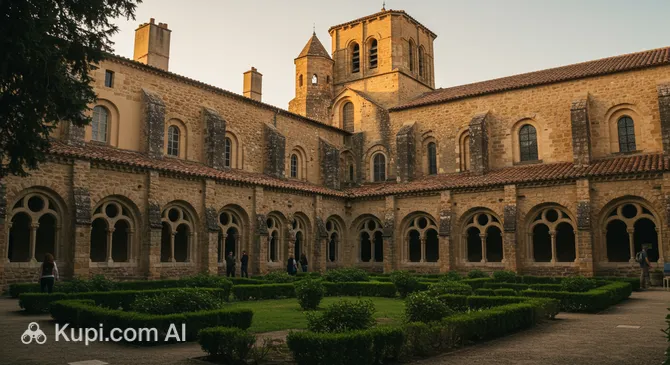
Couvent des Minimes of Perpignan
Couvent des Minimes of Perpignan. Иллюстрация. Источник: Kupi.com AI

Today, the former friary of the Order of Minims is sought after not only by historians but also by art lovers, as it has transformed into a major cultural center. France is famous for its ability to breathe new life into ancient walls: the monastery regularly hosts prestigious festivals and art exhibitions, drawing thousands of guests with its austere yet solemn atmosphere.

The complex's crown jewel is its two-story cloister, built in 1617. Its brick arches and galleries, decorated with ancient frescoes depicting saints, create a sense of peace and seclusion. The Church of Notre-Dame-de-la-Victoire, with its impressive nave, completes this ensemble, making the monastery a must-see on any traveler's itinerary.

Contacts

If you are planning a visit to this iconic site, here is the current contact information to help you navigate the city.

How to contactContact
Address12 Rue Louis Bausil, 66000 Perpignan, France

What to Do

Stepping inside, visitors first encounter the silence of the two-story brick cloister. It's worth closely examining its lower vaulted galleries and upper tiers with wooden ceilings. The gallery walls still preserve fragments of frescoes telling the life stories of Saint Francis of Paola and Anthony of Padua, allowing you to literally touch the spiritual heritage of the order.

Of particular interest is the church with its characteristic ribbed vaulting. A keen eye will notice an image of the Virgin Mary in the robes of the Minims on the vault's keystone. Hidden beneath the courtyard is another engineering marvel — a vast underground cistern that once provided the monastery with water.

If you find yourself here in September, don't miss the chance to visit the famous Visa pour l'Image photojournalism festival. During this time, the ancient halls are filled with contemporary shots from around the world, creating a powerful contrast between ancient architecture and current global events. Throughout the rest of the year, temporary exhibitions are also frequently held here, making every visit unique.

Getting There

Finding this historical site in the labyrinth of old streets is quite simple: it is located in the very heart of the historic center, near the city walls and the Puig Sant Jaume hill. If you are already walking through the center, the walk from Saint John the Baptist Cathedral or the famous Palace of the Kings of Majorca will take no more than 10–15 minutes of pleasant walking.

For those who prefer public transport, there are several bus stops in the vicinity of the monastery. If you arrive in the city by train, Perpignan's railway station is approximately 1.5 km away. This distance can be covered on foot in 20 minutes or by taking a short ride on a local bus or taxi.

Drivers should keep in mind that the monastery is located in an area with dense historic buildings. The best solution is to leave your car in one of the paid parking lots in the city center and continue on foot, soaking in the atmosphere of old Perpignan.

Ближайший город: Perpignan

History & Facts

Construction of this architectural complex began in 1575 at the initiative of Pierre de Valdes. The monastery was founded in the territory of the former Jewish quarter, known as the Call, thanks to generous donations from local residents. It was built in honor of the victory of the Christian fleet, led by Don Juan of Austria, over the Turks, which is reflected in the name of the church — Notre-Dame-de-la-Victoire.

The Order of Minims settled here and followed strict rules of asceticism. By 1585, the church was completed, the elegant cloister appeared in 1617, and a few years later, the main residential and utility buildings, including kitchens and dormitories, were added. The monks lived here until the French Revolution of 1789, after which the building was nationalized.

In the 19th century, the purpose of the complex changed dramatically: it was transferred to the military department and used as a food warehouse and maintenance facility. Only at the end of the 20th century did the city authorities purchase the architectural monument, recognizing it as historical heritage. The subsequent restoration allowed for the recovery of the church choir and the unique two-story cloister, returning the building to its former glory.

Time Needed

When planning your route, you should set aside about 1–2 hours to explore the complex. This is quite enough time to leisurely stroll through the cloister galleries, look into the church, and appreciate the surviving interior details and Counter-Reformation architectural features.

If your visit coincides with major cultural events, such as international photography exhibitions, the visit time may increase significantly. During such periods, the monastery turns into a lively art venue where you'll want to stay longer, studying the exhibits in unique historical settings.

Working Hours

The complex's doors are open to visitors daily, making it easy to include in any travel schedule. Typically, the monastery operates on the following schedule:

  • Monday — Sunday: 10:30 – 18:00

It is important to remember that access to the interior rooms and the church is often tied to the hosting of cultural exhibitions and displays. In periods between major events, some halls may be restricted, so it's worth checking the current event program at the cultural center in advance.

10:30 – 18:00

Nearby

A walk around the monastery allows for a deeper immersion into the region's rich history, as other important cultural sites are concentrated just a few steps away.

NameDistance
Campo Santo0.3 km
Hôtel Pams0.3 km
Natural History Museum of Perpignan0.3 km
Saint John the Baptist Cathedral Basilica0.3 km
Palace of Congress and Exhibitions0.4 km
Place de la République0.5 km
Le Castillet – Casa Pairal Museum0.6 km

Reached the end of the page?

That means the route is fully explored