Support

MUSME

About

In the heart of one of Europe's oldest university centers lies the unique Museum of the History of Medicine (MUSME). Located in the ancient city of Padua, this museum is a remarkable symbiosis of historical heritage and future technology. Italy is rightfully proud of this place, as it is dedicated to the evolution of medical science and the legacy of the famous University of Padua, founded back in the 13th century.

The museum occupies the building of the ancient San Francesco Hospital, built in 1414. This historical space, combining Gothic and Renaissance styles, served as a place of healing for centuries. Today, it has been transformed into a modern scientific and educational center, where instead of strict academic display cases, visitors find interactive screens and virtual installations.
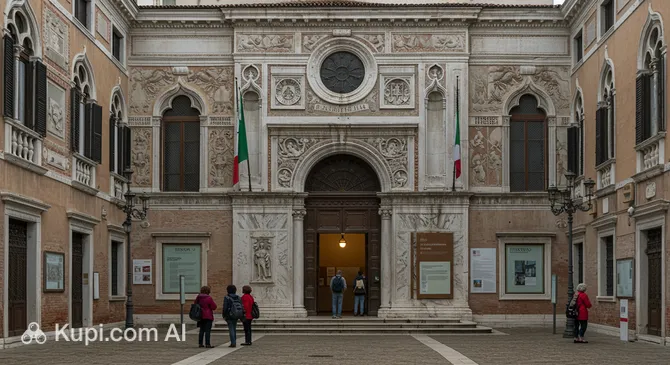
Museum of the History of Medicine in Padua
Museum of the History of Medicine in Padua. Иллюстрация. Источник: Kupi.com AI

MUSME is not just a collection of artifacts, but a true journey inside the human body and through centuries of medical discoveries. Thanks to the combination of classic anatomical models and augmented reality systems, the museum has become one of the city's most popular attractions, recognized with prestigious travel awards.

Contacts

To clarify information about visiting, ticket prices, or to book group tours, you can use the museum's official contact details.

How to contactContact
AddressVia S. Francesco, 94, 35121 Padova PD, Italy
Phone+39 049 658767
Websitewww.musme.it

What to Do

A visit to MUSME turns into an exciting quest where everyone can feel like a researcher. Instead of the usual contemplation of exhibits, active interaction is encouraged here: you can try to correctly position internal organs in the human body, play themed games with bacteria and viruses, or even measure your own health indicators—such as pulse and blood pressure—using special devices.

The museum halls display rare historical instruments, early medical texts, and fascinating anatomical models. One of the most impressive parts of the exhibition is a virtual reconstruction of the anatomical theater, which allows you to understand how medical lessons were conducted in the 16th century. For a complete experience, it is worth using the free audio guide or interactive cards that explain the significance of each artifact in detail.

Special attention is given here to family leisure. Children and teenagers are delighted by the opportunity to "smell" medicinal herbs from the past or study a collection of unusual biological specimens reminiscent of classic cabinets of curiosities. This place is perfect for those who want to learn about the great scientists of Padua and how human understanding of health has changed over the centuries.

Getting There

The museum is located at Via S. Francesco, 94, right in the city center, in close proximity to the San Francesco complex. Thanks to this location, it is easy to reach it on foot from anywhere in the historical center.

If you are far from the center, it is most convenient to use public transport. Padua has a well-developed network of buses and trams that stop near the main attractions. You can also always call a taxi from the railway station or any other part of the city—the trip will take just a few minutes.

For those who prefer an active lifestyle, a bicycle is an excellent option. Padua is a very compact city with a well-developed cycling culture. If you are traveling by car, keep in mind that the museum is located in a limited traffic zone (ZTL), so it is better to look for parking in designated lots outside the historical core.

Ближайший город: Padua

History & Facts

The history of MUSME is inextricably linked with the city's great medical past. The University of Padua, founded back in 1222, has for centuries been a global center for anatomical and clinical research. It was here that the foundations of modern medicine were laid, and teaching was conducted using the most advanced methods of the time.

The museum building itself is of immense historical value. It is the former San Francesco Hospital, built in 1414. It functioned as a medical institution until the 18th century and was one of the first examples of hospital care organization in Europe. The walls of this building, crafted in a harmonious blend of Gothic and Renaissance styles, are literally steeped in the history of healing.

A special place in the annals of Paduan medicine is held by the anatomical theater of 1594—the oldest surviving one in the world. Although the theater itself is located in Palazzo Bo, the MUSME museum carefully preserves the memory of the public dissections and research that revolutionized humanity's understanding of its own body. The modern museum was opened in 2015 to combine this ancient heritage with innovative ways of presenting information.

Time Needed

To leisurely explore all the exhibitions and try the interactive simulators, it is recommended that the average visitor allow 1 to 2 hours. This is enough time to walk through all the halls and get acquainted with the key exhibits.

However, if you plan to study the virtual reconstructions in detail or are traveling with children who will certainly want to participate in all the educational games, the visit may last half a day. The museum's interactive format is very engaging, so it's better to have a little extra time.

Working Hours

The museum follows a convenient schedule, allowing for visits on both weekdays and weekends. Please note that it is closed on Mondays.

From Tuesday to Friday, the museum is open in the afternoon: from 2:30 PM to 7:00 PM. On Saturdays and Sundays, the doors open earlier, and you can visit MUSME from 09:30 AM to 7:00 PM, which is very convenient for those planning a busy tourist weekend in Padua.

DayWorking hours
ПонедельникЗакрыто
Вторник2:30 – 19:00
Среда2:30 – 19:00
Четверг2:30 – 19:00
Пятница2:30 – 19:00
Суббота9:30 – 19:00
Воскресенье9:30 – 19:00

Nearby

Padua is a city where history comes to life at every step. A visit to the Museum of the History of Medicine can be perfectly combined with exploring other iconic sites within walking distance.

A stroll through the ancient streets will lead you to university buildings, lively squares, and majestic monuments, creating a complete picture of this region's rich culture.

NameDistance
Palazzo Zabarella0.1 km
Palazzo Bo0.3 km
Jewish Ghetto of Padua0.3 km
Otium Bar Restaurant Pizzeria Lunch Café0.3 km
Piazza della Frutta0.4 km
Equestrian Statue of Gattamelata0.4 km
Pedrocchi Café0.4 km

Reached the end of the page?

That means the route is fully explored