Support

Hikifunegawa Water Park

About

Hikifunegawa Water Park is a picturesque linear oasis stretching for three kilometers through the Katsushika Ward of Tokyo. Located in Japan, this unique park was created on the site of a former riverbed, preserving its natural charm while transforming into a popular spot for walking and relaxation.
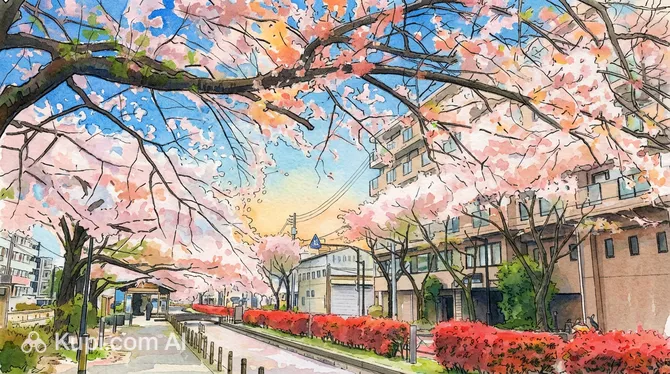
Hikifunegawa Water Park. Illustration.
Source: Kupi.com AI

Traveler photos:

The park is a landscaped area with natural waterways where, amidst dense greenery, you can observe aquatic plants and canal dwellers. A special atmosphere is created by three playgrounds with fountains, which become a focal point for residents and visitors during the hot summer months.

Year-round, Hikifunegawa delights visitors with changing natural colors: from the delicate cherry blossoms in spring to the vibrant irises in June. Thanks to its well-developed infrastructure with shaded rest areas and play structures, this place is ideal for peaceful picnics and a leisurely immersion into the rhythm of the Japanese capital.

Contacts

When planning a visit to Hikifunegawa Water Park, it is recommended to check for the latest information on special events or seasonal changes in the operation of the water zones. As the park is a Tokyo municipal site, up-to-date details can always be found on the city's official resources.

How to contactContact
Address2-chōme-1-1 Shiratori, Katsushika City, Tokyo 125-0063, Япония
Phone number+81 3-3693-1777
Websitewww.city.katsushika.lg.jp

What to Do

In Hikifunegawa Water Park, everyone will find something to their liking, but the main joy for young visitors in summer is the three jabu-jabu pond water play areas. Flowing fountains and shallow pools allow children to splash around safely, so don't forget to bring swimsuits and towels for full-scale fun.

For lovers of quiet leisure, the park offers a three-kilometer walking route along the bank, which is especially beautiful in spring when cherry blossom petals fall into the water like snow. It is a convenient place for cycling, jogging, or simply relaxing in the shade of the trees while observing local fauna, including crayfish and waterfowl.

While strolling through the grounds, be sure to check the information panels that tell the story of the river's origin and the ancient Mito Kaido trade route. The clean and well-maintained area with covered gazebos makes Hikifunegawa an excellent spot for an open-air picnic or a secluded retreat surrounded by nature.

Getting There

Reaching Hikifunegawa Water Park, located at 2-chōme-1-1 Shiratori, Katsushika City, is quite easy thanks to the extensive railway network. The most convenient way is to take the JR Joban Line to Kameari Station, from where the northern part of the park is just a 10–15 minute walk.

Another option is to use the Keisei Line and get off at Ohanajaya Station, which is located almost in the center of this long park. For those traveling by car, there are parking spaces available near the main recreation areas, and a navigator will easily plot a route via Route 6.

A visit here is easy to combine with a walk from the Horikiri Iris Garden or Mizumoto Park. Since Hikifunegawa has an elongated shape, experienced travelers recommend starting at one end and moving toward the other to cover all the interesting locations.

Nearest city: Tokyo

History & Facts

The history of Hikifunegawa Water Park dates back to the Edo period (1603–1867) when an important waterway ran through here. The name "Hikifune" literally means "towing a boat": in those days, due to shallow water or headcurrents, small vessels had to be pulled from the shore using ropes, which gave the river—and subsequently the park—its name.

Initially, this canal was created in the 1660s as a complex irrigation system for agricultural development in the Kasai region. Today's appearance of the park carefully preserves the memory of the past: the straight lines of the canals and the landscape design emphasize the engineering skill of the Japanese of that era and their ability to harmoniously integrate technical structures into the natural environment.

An interesting architectural detail is the rest areas designed in the "naya" style—traditional Japanese longhouses. These elements, combined with historical panels along the paths, allow tourists not just to enjoy the greenery but to take a small trip back in time to learn more about life in old Tokyo.

The park was built directly on the site of the former riverbed to preserve the historical landscape of the Katsushika district. This place reflects the unique concept of shinsui—creating spaces where city dwellers can safely interact with water within the urban environment.

Time Needed

To explore the main areas of Hikifunegawa Water Park, 1–2 hours is usually sufficient. This is enough time to take a pleasant stroll along the canal, study the historical stands, and take beautiful photos against the backdrop of seasonal flowers.

If you are planning a family outing with children, especially during the summer period when the water attractions are open, or if you want to have a full picnic under the cherry blossoms during hanami, you should set aside about half a day for the visit. The park's three-kilometer length also lends itself to a long promenade if you decide to walk it in its entirety.

Working Hours

Hikifunegawa Water Park is open to visitors 24/7 throughout the week, making it a convenient spot for both early morning runs and evening strolls under the city lights. Entry to the grounds is free for everyone.

It is worth noting that the specialized water play areas for children have their own seasonal operating schedules and are typically active only during daylight hours in the summer months. At all other times, the park's infrastructure is available for relaxation without restrictions.

Open 24 hours

Nearby

Katsushika Ward, where Hikifunegawa Water Park is located, is famous for its green spaces, so exploring the surroundings will be a great addition to your itinerary. Very close by is Kamichiba Sunahara Park, which offers additional opportunities for outdoor activities and family leisure.

Don't miss the chance to visit the famous Horikiri Iris Garden, especially if your trip falls in early summer. This variety of park areas allows you to create a rich and diverse plan for the day, combining history, nature, and traditional Japanese aesthetics.

NameDistance
Adachi Park of Living Things5.5 km
Kaminarimon6.1 km
Tokyo National Museum7 km
National Museum of Nature and Science7.1 km
The National Museum of Western Art7.2 km
Tokyo Imperial Palace10.9 km
Nijubashi Bridge11.3 km

Have you reached the end of the page?

So the route has been studied inside and out