Support

The National Art Center

About

The National Art Center, Tokyo is one of the most impressive and innovative exhibition spaces in Tokyo. Located in the vibrant Roppongi district, this world-class museum has become a symbol of modern Japan since its opening in 2007. Its concept is unique: it has no permanent collection of its own, which allows it to focus entirely on large-scale temporary exhibitions and current art projects.
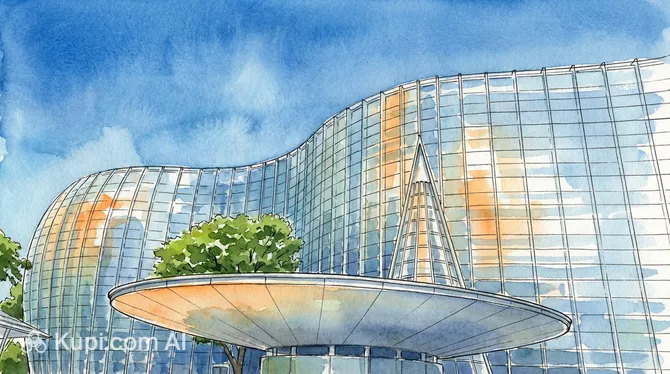
The National Art Center, Tokyo. Illustration.
Source: Kupi.com AI

Traveler photos:

The museum boasts the largest exhibition space in the country — approximately 14,000 square meters. This allows it to host several major international exhibitions simultaneously, featuring everything from classical art to avant-garde multimedia installations. Thanks to this approach, every visit here becomes a completely new and unique experience.

The building's architectural design, created by the famous master Kisho Kurokawa, deserves special attention. Its wavy glass facade not only catches the eye of passersby but also fills the interior atrium space with soft natural light, creating a harmonious atmosphere for exploring fine art.

Contacts

When planning a visit to the National Art Center, Tokyo, we recommend checking the current information regarding ongoing exhibitions and contact details in advance. As the exhibition program is constantly updated, some details may change.

For your convenience, below are the main contact methods and official resources where you can verify event schedules and the availability of special programs before your trip.

How to contactContact
Address7-chōme-22-2 Roppongi, Minato City, Tokyo 106-8558, Япония
Phone+81 50-5541-8600
Websitewww.nact.jp

What to Do

A visit to this venue is, first and foremost, an immersion into the world of contemporary art. In the center's galleries, you can see works by leading Japanese and international artists, covering everything from traditional painting and sculpture to conceptual media projects. The absence of a permanent collection ensures that the exhibitions are always fresh and reflect the latest trends in the cultural world.

Be sure to set aside time just to walk around the building itself. Its interior is stunning: inside the atrium, there are two huge concrete cone-shaped structures, with cafes and a restaurant perched on top. The museum's architecture promotes the idea of a symbiosis between humans, nature, and technology, which is felt in every curve of its glass walls.

In addition to viewing the exhibitions, the center often hosts educational lectures, workshops, and meet-the-artist events. For those who want to take a piece of art home, there is an excellent souvenir shop, while cozy lounge areas allow you to relax and reflect on what you've seen over a cup of coffee with a view of the Roppongi district.

Getting There

Getting to the National Art Center, Tokyo is extremely easy thanks to its prime location in the Minato district. The most convenient way is to use the Tokyo Metro: the building has a direct exit from Nogizaka Station (Chiyoda Line), which allows you to enter the museum in just a couple of minutes. Roppongi Station, served by the Hibiya and Oedo lines, is also just a 10-minute walk away.

If you are traveling from the city center, such as Tokyo Station, the metro journey will take about 15–20 minutes. While the museum does have parking, we recommend using public transport, as the Roppongi area is known for its lively atmosphere and heavy traffic. A taxi ride is also a comfortable option, especially if you plan to visit several attractions in one day.

Nearest city: Tokyo

History & Facts

The National Art Center, Tokyo emerged as an ambitious state project, combining the efforts of the Ministry of Education and Culture with the country's leading museum institutions. It was built on the site formerly occupied by a research center of the University of Tokyo and became the fifth national museum in Japan's art institution system.

The building's design was one of the final and most significant works of the prominent Japanese architect Kisho Kurokawa. Kurokawa was a key figure in the Metabolism movement, and in the center's design, he embodied ideas of organic growth and technological flexibility. The opening took place on January 21, 2007, marking the beginning of a new era in the country's museum management — the era of the "empty museum," capable of transforming to meet any artistic needs.

Since its opening, the center has become an important landmark on the global cultural map, welcoming approximately 2.7 million visitors annually. Its logistics system is designed so that massive exhibits can be moved as quickly and discreetly as possible, allowing the center to host world-class international exhibitions that were previously difficult to organize in Japan.

Time Needed

To explore the current exhibitions at the National Art Center, Tokyo at a leisurely pace, we recommend planning for 2 to 3 hours. This is usually enough time to see one or two major exhibitions and walk through the museum's architectural space.

If you happen to visit during a period when several large-scale international projects are running simultaneously, or if you plan to attend an educational event, your visit could last 4 hours or more. Keep in mind that the atrium's architecture and the cozy cafes atop the concrete cones often encourage guests to stay longer to enjoy the unique atmosphere of the venue.

Working Hours

The doors of the National Art Center, Tokyo are open to visitors most of the week; however, please remember that Tuesday is a closed day. On Friday and Saturday, the museum operates on an extended schedule until 8:00 PM, making it an excellent spot for evening cultural leisure in the Roppongi district.

Regular opening hours on other days are from 10:00 AM to 6:00 PM. Nevertheless, operating hours may vary depending on specific exhibitions and public holidays in Japan, so we advise checking the current schedule on the institution's official website before your visit.

DayWorking hours
Monday10:00–18:00
TuesdayЗакрыто
Wednesday10:00–18:00
Thursday10:00–18:00
Friday10:00–20:00
Saturday10:00–20:00
Sunday10:00–18:00

Nearby

The Roppongi district, where the museum is located, is rightfully considered one of the capital's main cultural hubs. Exploring the area around the center will allow you to dive deeper into the atmosphere of modern Tokyo. Very close by is the grand Mori Tower at Roppongi Hills, where the Tokyo City View observation deck on the upper floors offers breathtaking panoramic views of the city.

For lovers of a more secluded atmosphere and traditional Japanese art, the Nezu Museum is within walking distance, famous for its collection of East Asian antiquities and magnificent garden. A walk between these points will be an excellent addition to your visit to the National Art Center, creating a complete and fulfilling travel itinerary.

NameDistance
Nezu Museum0.9 km
Blue Note Tokyo1 km
teamLab Borderless1.6 km
Suga Shrine2.2 km
Shibuya Stream Bar2.3 km
Shibuya Coffee Bar2.4 km
Nijubashi Bridge3 km

Reached the end of the page?

That means the route is fully explored