Support

Yamanouchi

About

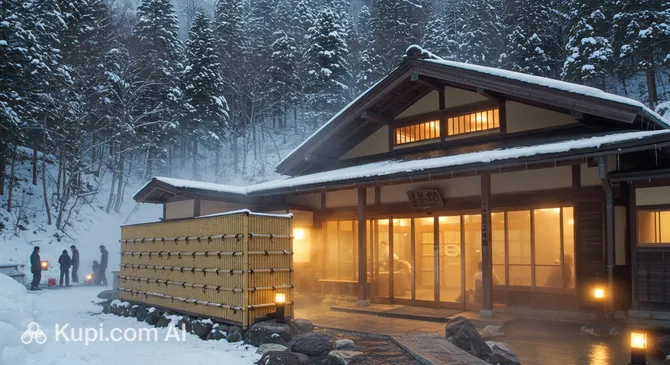
Yamanouchi is a true gem, nestled in the northern part of Nagano Prefecture in Japan, amidst picturesque mountain valleys and dense forests. The town is located on high ground, which grants it fresh mountain air and breathtaking landscapes that change with every season: from snow caps and ski slopes in winter to the emerald green hills and cool rivers of summer.
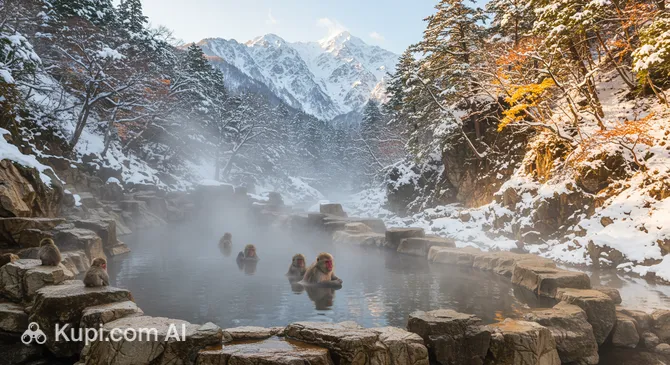
Yamanouchi. Illustration.
Source: Kupi.com AI

With a population of just over 11,000, Yamanouchi maintains the charming atmosphere of a small town where every corner is steeped in history and centuries-old traditions. Despite its modest size, the town holds an important place on the country's tourist map thanks to its unique natural and cultural treasures. It is an ideal destination for those seeking to experience authentic Japanese culture and enjoy a slower pace of life.

Yamanouchi is primarily famous for its healing hot springs (onsens), where you can relax and rejuvenate. However, perhaps the most famous attraction is Jigokudani Monkey Park, home to the celebrated Japanese macaques, or "snow monkeys," who take hot baths right before the eyes of visitors. Additionally, guests can stay in traditional Japanese ryokan inns, stroll through narrow streets in national yukata robes, and immerse themselves in the peaceful atmosphere of this amazing place.

Yamanouchi fascinates with its harmonious blend of ancient traditions and natural splendor, offering unforgettable experiences to every traveler. If you are looking for seclusion, beauty, and genuine Japanese hospitality, be sure to include Yamanouchi in your itinerary.

You can find more interesting facts on the history of Yamanouchi page.
Weather Overview

The climate in Yamanouchi is characterized by distinct seasons. Winters are cold, with an average January temperature around -2.7°C and frequent snowfall, reflected in the high number of days with precipitation (e.g., 25 days in January). Summers are warm, especially in August when the average temperature reaches 23.0°C and the maximum can rise to 26.8°C; significant rainfall also occurs during the summer months, with July recording up to 10 mm and 25 rainy days. Spring and autumn are transitional seasons with gradual temperature changes. Expect warm summers with occasional rain and cold, snowy winters. For a more detailed forecast and monthly information, you can explore the climate of Yamanouchi.

Average monthly temperature

Average monthly precipitation

Interesting Facts

In addition to its famous hot springs and snow monkeys, Yamanouchi hides many surprising stories and unique features. Ready to discover this charming corner of Japan from an unexpected side?

  • The famous "snow monkeys" of Jigokudani Park didn't start taking hot baths on their own. This unique tradition began in the 1960s when the owner of a local ryokan (traditional Japanese inn), out of sympathy for the freezing Japanese macaques, started leaving food for them near a hot spring. The monkeys quickly appreciated not only the treats but also the warming water, making the location world-famous.

  • There are still nine public baths (onsens) operating in Yamanouchi, some of which are over 400 years old! Strolling through the ancient streets of the town in traditional geta footwear and a yukata robe, heading to one of these springs—such as Yudanaka Station Kaede-no-Yu—is a true journey through time, immersing you in the atmosphere of Edo-period Japan.

  • The Jigokudani area, which translates as "Hell's Valley," is shrouded in ancient legends. According to folklore, mountain spirits dwell in these parts, protecting natural riches and looking after the welfare of animals. These mystical stories are passed down from generation to generation, adding mystery and charm to this unique place.

  • Despite its ancient history and traditions, Yamanouchi is part of one of Japan's largest ski resorts—Shiga Kogen. It was here, on these modern slopes, that events of the 1998 Winter Olympics were held, creating a wonderful contrast with the centuries-old onsens and the peaceful atmosphere of the old town.

Yudanaka Station Kaede Onsen. Illustration.
Source: Kupi.com AI

Traveler photos:

How to Get There

There are several ways to reach Yamanouchi, a picturesque town in Nagano Prefecture known for its hot springs and snow monkeys. For most international and many Japanese tourists, the most convenient option is a flight to one of the major or regional airports, followed by a transfer by train, bus, or car.

The main international hub through which many travelers arrive in Japan is Haneda Airport (IATA: HND) in Tokyo. This is one of the busiest airports in the world, located approximately 181 km from Yamanouchi. While a direct taxi ride would take about 4.5–5 hours and be quite expensive, most tourists prefer to use the efficient Japanese railway system: a Shinkansen high-speed train to the nearest major station (such as Nagano), and then local transport to Yamanouchi.

Considerably closer to Yamanouchi is Matsumoto Airport (IATA: MMJ), located in the city of Matsumoto, about 77 km away. This small regional airport mainly serves domestic flights. From here, Yamanouchi can be reached by taxi or bus in about 2–2.5 hours, making it a convenient option for those already in Japan or arriving via another domestic hub.

Another airport to consider is Toyama Airport (IATA: TOY), located in Toyama city, approximately 109 km from Yamanouchi. This regional airport also handles some international flights. The journey from Toyama Airport to Yamanouchi by taxi or a combination of public transport takes roughly 3 hours.

For convenience, here is a summary of the airports from which you can reach Yamanouchi:

AirportPassenger trafficDistance
Matsumoto Airport112 61877 km
Toyama Airport736 740109 km
Noto Airport207 427142 km
Niigata Airport1.1 mln149 km
Haneda Airport85.7 mln181 km

After arriving at one of the airports, the further journey to Yamanouchi usually involves using the Japanese rail network, famous for its punctuality and convenience, or bus services. Some hotels in Yamanouchi may also offer shuttle services. It is recommended to plan your route in advance and check transport schedules, especially if your trip coincides with the peak tourist season.

Main Attractions

Yamanouchi, nestled in Nagano Prefecture, offers guests a unique combination of natural beauty and traditional Japanese culture. The town is famous for its hot springs and picturesque landscapes, and among its attractions, everyone will find something to their liking to make a trip to Japan unforgettable.

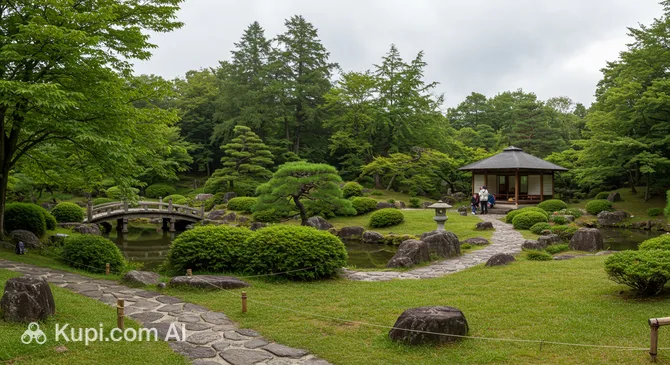
For nature lovers and those seeking peaceful walks, Ippongi Park is a must-visit. This place attracts visitors with its tranquil atmosphere and beauty. Here, you can enjoy the fresh air, admire seasonal plants, and simply take a break from the city bustle while enjoying the silence and harmony with nature.

Ippongi Park. Illustration.
Source: Kupi.com AI

Traveler photos:

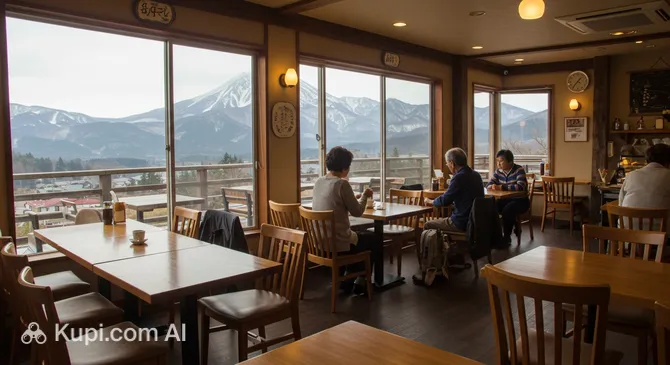
To grab a bite and try local dishes, stop by Enza Cafe & Ramen. This establishment offers guests both traditional Japanese ramen—a hearty and flavorful noodle soup—and other cafe-style dishes. It is an excellent place to get acquainted with Japanese cuisine in a relaxed setting and recharge for further adventures in Yamanouchi.

Enza Café & Ramen. Illustration.
Source: Kupi.com AI

Traveler photos:

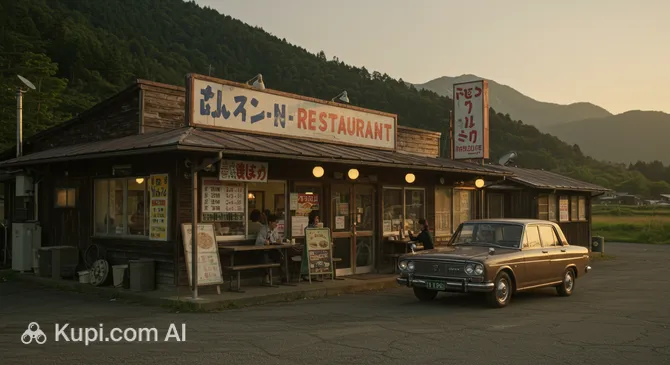
If you are traveling by car or simply looking for a place for a tasty lunch with a view, consider Sekiei Drive-in. This drive-in style restaurant offers a variety of dishes that are convenient to take on the road or enjoy on-site. It is a popular spot among travelers for a quick and satisfying stop before continuing their exploration of the beauties of the Yamanouchi region.

Sekiei Drive-in. Illustration.
Source: Kupi.com AI

Traveler photos:

Local Cuisine

The gastronomy of Yamanouchi is a true immersion into authentic regional Japanese cuisine, capable of surprising even the most discerning gourmet. The town is rightly considered a paradise for those who dream of tasting traditional dishes made from the freshest local ingredients.

Be sure to try sukiyaki—a hearty and aromatic dish made with local beef and fresh vegetables, which is especially pleasant for warming up in winter after an active day. Depending on the season, the Yamanouchi menu is enriched with unique flavors: in autumn, dishes featuring matsutake mushrooms take center stage, while in spring, young bamboo shoots and wild mountain herbs are served. Don't miss the chance to taste fresh fish caught in mountain rivers and traditional soybean-based snacks.

Among the drinks, local sake, produced from the purest mountain water, holds a special place and perfectly complements any meal. Those with a sweet tooth will enjoy traditional desserts, often made with rice flour and seasonal fruits, such as the famous Nagano apples grown in the surrounding area.

The food culture in Yamanouchi is diverse. You can enjoy local delicacies in traditional Japanese ryokan inns as well as at lively street markets. The town is also known for its culinary festivals, where you can not only sample the full variety of local cuisine but also attend cooking masterclasses or experience the art of the tea ceremony. If you are looking for a cozy place for lunch or dinner, look out for establishments like Enza Cafe & Ramen, where you can try popular Japanese dishes.

Overall, the gastronomic scene in Yamanouchi offers a unique blend of tradition and seasonal products, making every dish a true discovery for the traveler.

Travel Tips

Planning a trip to Yamanouchi? Wonderful! To ensure your journey to this charming corner of Japan is as comfortable as possible and leaves only pleasant impressions, we have prepared some practical tips.

  1. Clothing and Essentials by Season:

    Yamanouchi is located in Nagano Prefecture, known for its mountains. The climate here is continental with distinct seasons. In winter (December-March), expect snow and frost, so warm layered clothing (thermal wear, fleece, windproof and waterproof jacket), a hat, gloves, a scarf, and warm waterproof shoes with non-slip soles are necessary. In spring (April-May) and autumn (October-November), the weather is changeable, so bring both light items and warm sweaters or a jacket. In summer (June-August), it is warm or even hot during the day, but evenings can be cool, especially in the mountains. Light clothing is suitable, but pack something warmer as well. Always bring comfortable shoes for walking, especially if you plan to visit the Jigokudani Monkey Park or hike mountain trails. Don't forget an adapter for Japanese outlets (Type A, two flat parallel pins) and a power bank. When visiting temples, dress modestly (shoulders and knees covered).

  2. Transport Nuances:

    The primary way to travel between cities and to Yamanouchi is by train. Within the Yamanouchi region itself (including the Yudanaka and Shibu Onsen areas), it is convenient to use local buses that run to the main attractions, including the monkey park. Schedules can be checked at stations or tourist information centers. Taxis are available but can be expensive. Renting a car is an option for exploring the surroundings, but keep in mind left-hand traffic, the requirement for an international driver's license, and possible parking challenges. Many interesting spots in the towns of Yamanouchi can be explored on foot.

  3. Financial Matters:

    The local currency is the Japanese Yen (JPY, ¥). It is recommended to have enough cash on hand, as not all small shops, restaurants, and ryokans (traditional inns) accept credit cards. International credit cards are accepted in most hotels, large stores, and at train stations. ATMs that accept international cards can be found in post offices (Japan Post Bank) and 7-Eleven stores. It is best to exchange currency at the airport upon arrival or at banks in major cities before heading to Yamanouchi. Tipping in Japan is not customary—good service is already included in the bill.

  4. Health and Safety:

    Yamanouchi, and Japan as a whole, is considered a very safe place. However, standard precautions still apply: keep an eye on your belongings. Be sure to get travel medical insurance before your trip, as medical services in Japan are expensive. Pharmacies (薬, kusuri) are available, but many medications require a prescription, and pharmacists may not always speak English. Bring a first-aid kit with the medications you need. When visiting the monkey park, do not feed or touch the animals.

  5. Language and Communication:

    The official language is Japanese. In tourist areas, hotels, and stations, staff often speak basic English. However, in more remote areas or small establishments, English proficiency may be limited. Learn a few simple phrases in Japanese: "Konnichiwa" (Hello/Good day), "Arigato" (Thank you), "Sumimasen" (Excuse me/I'm sorry). For connectivity, we recommend purchasing a tourist SIM card or renting a pocket Wi-Fi router—this can be done at the airport. Free Wi-Fi is often available in hotels and some public places. Translation apps and maps on your smartphone will be very useful.

  6. Local Etiquette and Traditions:

    The Japanese are very polite and value respect for tradition. Greetings are accompanied by a bow. In public places, especially on transport, try to keep noise to a minimum. When visiting onsens (hot springs), for which Yamanouchi is famous, it is important to follow the rules: you must wash thoroughly in the designated shower area before entering the communal bath. You enter the onsen completely naked (swimsuits are not allowed). If you have tattoos, check in advance if the chosen onsen allows them—some establishments have strict rules. Remove your shoes before entering homes, temples, and some ryokans.

  7. What to Avoid:

    Firstly, do not litter. Trash cans on the streets in Japan are quite rare. Carry a small bag for your trash and dispose of it at your hotel or in designated areas. Secondly, do not eat while walking on the street unless it's a specific area (like at a festival). This is considered bad manners. Also, avoid loud phone conversations on public transport.

  8. Special Tip: Interacting with Monkeys in Jigokudani:

    If you plan to visit the famous Jigokudani Snow Monkey Park, remember that these are wild animals. It is strictly forbidden to feed the monkeys, touch them, make sudden movements, or look them directly in the eyes (this may be perceived as a challenge). Keep your distance and enjoy observing their natural behavior. Photography is allowed, but without flash and without getting too close.

Yamanouchi is an amazing place where you can touch traditional Japanese culture, enjoy magnificent nature, and, of course, see the famous snow monkeys. We hope these tips help you plan an unforgettable trip and get the most out of your visit to this beautiful corner of Japan!

Entertainment & Nightlife

Evening Yamanouchi offers its guests an atmosphere of tranquility and traditional Japanese relaxation, rather than the noisy club life of major metropolises. You won't find districts with neon signs for nightclubs here, but you can enjoy cozy establishments where time moves slowly and hospitality is felt in every detail. Main evening entertainment is centered around hot springs (onsens) and in small villages like Yudanaka and Shibu Onsen.

Nightlife in Yamanouchi is primarily an opportunity to relax after an eventful day. Many ryokans (traditional Japanese inns) offer their guests magnificent kaiseki-style dinners and access to onsens, which are particularly pleasant in the evening. If you are looking for a place to have dinner and a drink, look for local izakayas (Japanese pubs) and restaurants. The atmosphere in such places is usually very friendly and informal; there is typically no dress code—it is perfectly acceptable to appear in a yukata after visiting an onsen. Most establishments stay open until late evening, but not deep into the night, so plan your leisure time in advance.

Among the places where you can spend a pleasant evening are restaurants offering local cuisine. For example, you can stop by Sekiei Drive-in to try Japanese dishes in a casual setting, or visit Enza Cafe & Ramen, which serves popular ramen. While these are not nightclubs, such establishments are great for a quiet dinner and socializing. Prices in local restaurants and izakayas are usually moderate.

When planning your evening, keep in mind that public transport in Yamanouchi may not run as frequently as in large cities, especially late at night. It is most convenient to move between districts or get to your hotel by taxi or on foot if your accommodation is nearby. The town and its surroundings are considered very safe, but it is always wise to follow basic precautions. You can call a taxi through your hotel's reception.

During the day, Yamanouchi offers plenty of interesting activities. Be sure to visit the world-famous Jigokudani Park, where you can see Japanese macaques warming themselves in the hot springs. It is also worth taking a walk through Ippongi Park or relaxing at Yudanaka Station Kaede-no-Yu. Although the town has no large theaters or amusement parks in the traditional sense, its natural beauty and unique onsen atmosphere will provide you with unforgettable impressions.

Parks & Museums

Yamanouchi is not just the gateway to the famous snow monkeys; it is a place where nature and culture create a unique harmony. The town and its surroundings offer travelers both peaceful green zones for walks and a deep immersion into traditional Japanese life, especially through the onsen culture.

Among the natural gems of Yamanouchi, the world-famous Jigokudani Yaen Koen (Monkey Park) stands out, where you can observe Japanese macaques lounging in hot springs—a truly unique sight. While it is not a traditional walking park, its natural significance is immense. For more relaxed recreation, Ippongi Park offers a pleasant atmosphere for leisurely strolls and enjoying the local flora. One cannot fail to mention Shiga Kogen—a vast plateau and part of the Joshinetsu Kogen National Park, which attracts hikers in summer and transforms into one of Japan's largest ski resorts in winter.

Regarding museums and galleries, Yamanouchi offers traditional cultural spaces alongside its natural and onsen heritage. Of course, the jewel is Shibu Onsen—a charming historic resort town that can be considered an open-air museum in its own right, showcasing the architecture and lifestyle of past eras. For a deeper look at local history and culture, you can visit the Yamanouchi Town Folk Museum, which typically houses artifacts detailing the region's life, traditions, and development related to onsens and local crafts. Art lovers might be interested in the Shiga Kogen Roman Art Museum, which often exhibits works inspired by the natural beauty of the Shiga plateau, as well as contemporary art and photography.

For those who want to experience onsen culture in a more accessible way, Yudanaka Station Kaede-no-Yu is an excellent option. It is a great place to relax after a busy day of exploration without straying far from transport hubs. The historical and architectural landmarks of Yamanouchi are mainly concentrated in areas like Shibu Onsen, where you can see perfectly preserved wooden buildings and feel the spirit of old Japan.

For an authentic experience, stroll through the streets of Shibu Onsen in a traditional yukata and wooden geta sandals, visiting local shrines and trying the nine healing baths. Don't miss the chance to taste local culinary delights, such as oyaki dumplings or Shinshu soba (buckwheat noodles), which will complete your cultural immersion in this wonderful corner of Japan.

Getting Around

The core of public transport in Yamanouchi consists of buses and local trains that connect various districts of this resort town, famous for its hot springs and snow monkey park. There are no subways, trams, or trolleybuses here, which is typical for small settlements in mountainous areas.

The main bus operator is Nagaden Bus. Buses run between Yudanaka Station, the terminus of the Nagano Electric Railway line, and the main tourist zones, including the Shibu, Yudanaka, and Kanbayashi onsens (from where you can reach Jigokudani Monkey Park on foot). Bus fares are most often paid in cash when exiting; when entering through the back door, you need to take a numbered zone ticket (seiri-ken), and when exiting, pay the amount shown on the display next to your ticket number. A bus trip within Yamanouchi usually costs between 150 and 400 yen depending on the distance. Some routes may accept IC cards like Suica or Pasmo, but it is recommended to carry cash. Tourist passes also exist, such as the Snow Monkey Pass, which can include the train from Nagano, the bus to the monkey park, and the entrance ticket—this is a cost-effective option for a day trip.

It is practical for tourists to check bus schedules in advance, as they do not run as frequently as in major cities, especially in the evening. Schedules are usually available at Yudanaka Station and at main bus stops, as well as on the operator's website. Tickets for Nagano Electric Railway trains are purchased at the stations. This line connects Yamanouchi with Nagano city. The train fare to Nagano, the nearest major transport hub, is approximately 1,200–1,500 yen. Train tickets are validated when passing through turnstiles or by a conductor.

Taxis serve as an alternative to public transport and can be found at Yudanaka Station or ordered by phone through your hotel. Taxis are convenient for small groups or those with luggage, but they will be more expensive. Some ryokans (traditional Japanese inns) offer shuttle services for their guests to and from the station. Renting a car can be a good option if you plan to explore the surroundings of Yamanouchi and Nagano Prefecture more freely. Bicycle rentals are less common and more suitable for the warmer season and local trips on flat terrain.

Accommodation

In Yamanouchi, travelers will find a variety of accommodation options to suit different preferences and budgets. The town is particularly famous for its traditional Japanese inns—ryokans—many of which offer guests the chance to enjoy healing hot springs (onsens) right on the premises. In addition to ryokans, modern hotels, cozy guesthouses (minshuku), and more budget-friendly accommodation options are also available in Yamanouchi.

The most popular areas for tourists are those located near famous onsen resorts, such as Yudanaka Onsen and Shibu Onsen. Staying here allows you to easily combine relaxation with wellness treatments and immersion in Japanese culture. Areas adjacent to the Shiga Kogen ski resorts are also convenient for accommodation, especially during the winter season. Proximity to iconic spots like Yudanaka Station Kaede-no-Yu is also a clear advantage when choosing a place to stay.

In Yamanouchi, you will find many excellent ryokans and hotels. While we do not list specific names from the attractions list here, you can easily find options that meet your expectations and budget on popular travel platforms or by checking reviews from other travelers. The choice is truly wide—ranging from modest family-run establishments to luxury complexes with a full range of services.

When planning a trip to Yamanouchi, especially during peak seasons like winter (for skiing and snowboarding) or autumn (the period for admiring vibrant fall foliage), it is strongly recommended to book your accommodation in advance. Prices for accommodation vary depending on the level of comfort, location, and season: you can find both budget options and rooms in luxury-class hotels and ryokans. Booking is convenient through well-known international and Japanese online platforms or directly on hotel and ryokan websites.

Nearby Cities

For those who want to explore the surrounding area, Yamanouchi serves as an excellent starting point for day trips to several interesting nearby locations:

CityPopulationDistance
Obuse10 51010 km
Iiyama19 27913 km
Suzaka49 39314 km
Iizuna10 13415 km
Kusatsu143 23022 km

These nearby destinations provide insight into the diverse culture and landscapes of the region.

Shopping & Souvenirs

Yamanouchi is a charming resort town, known primarily for its onsens and natural beauty rather than as a major shopping hub. Nevertheless, you can find interesting local goods and souvenirs here that will serve as a pleasant reminder of your trip to Japan. The main shopping opportunities are concentrated in small shops offering Nagano region products and themed souvenirs.

The main retail outlets in Yamanouchi are located near popular tourist sites. Small shops and stalls can be found around Yudanaka station, as well as along the streets of ancient onsen resorts like Shibu Onsen and Yudanaka Onsen. This is where tourists most often stroll and can purchase something as a keepsake.

There are no large shopping malls in the traditional sense in Yamanouchi. The town maintains the atmosphere of a traditional Japanese resort. If you need a wide selection of famous brand goods or large department stores, it is worth considering a trip to larger cities in Nagano Prefecture.

Instead of large markets, in Yamanouchi you are more likely to encounter small shops with local products or seasonal farmers' stalls, especially if you visit during the harvest season. Occasionally, you can find handicrafts sold directly by artisans or in specialized souvenir shops.

Regarding souvenirs, it is worth bringing back the following from Yamanouchi:

  • Products made from local apples (Nagano is famous for its apples): jams, juices, sweets.
  • Traditional soba noodles, which the prefecture is also famous for.
  • Local sake or other regional alcoholic beverages.
  • Nozawana-zuke (pickled vegetables).
  • Onsen-related goods: tenugui towels, yukata, bath salts.
  • Souvenirs featuring the Japanese macaques that live in the famous Jigokudani Monkey Park.
  • Small items by local craftsmen, if you happen to come across them.

Shops in Yamanouchi usually operate from 10:00 or 11:00 AM to 5:00 or 6:00 PM. Small family shops may have more flexible schedules or a day off mid-week. As for payment, many small shops and markets prefer cash. Credit cards may be accepted in hotels and some larger souvenir shops, but it's always better to have enough Japanese yen with you.

For foreign tourists in Japan, a Tax-Free system is available. Look for shops with the "Tax-Free Shopping" logo. Usually, to process a tax refund, you need to make a purchase for a certain minimum amount (most often 5,000 yen excluding tax) in one shop on one day and present your passport. The seller will complete the necessary documents.

Reached the end of the page?

That means the route is fully explored