Support

Hakuba

About

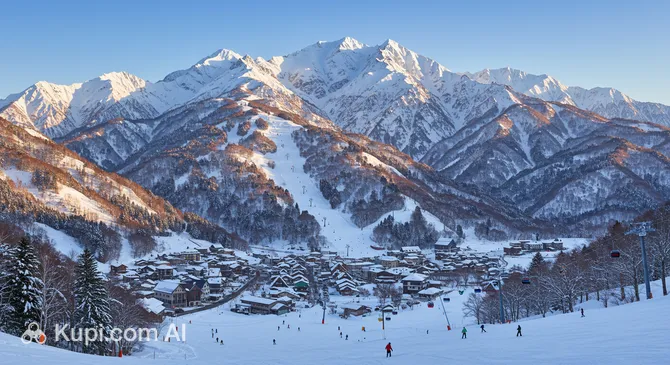
Hakuba is a charming mountain village nestled at the foot of the majestic Japanese Alps in Nagano Prefecture, Japan. It is a place where an atmosphere of incredible tranquility and freshness reigns among picturesque peaks and crystal-clear rivers, as if straight from the pages of a fairy tale. The town is surrounded by the Chubu Sangaku National Park, making it a true find for nature lovers and outdoor enthusiasts.

Hakuba. Illustration.
Source: Kupi.com AI

With a population of about 8,600 people, this corner of Japan is strikingly different from the country's bustling metropolises. Hakuba is more of a soulful resort where everyone can find their own nook for solitude or adventure. Despite its modest size, the village has transformed into an international center for winter sports and year-round tourism.

Hakuba gained special fame for hosting events during the 1998 Winter Olympics, after which the resort's infrastructure reached a world-class level. Today, people come here not only for the excellent snowy slopes but also for the unique atmosphere of the Japanese countryside, where traditions are harmoniously interwoven with modernity. Beyond winter activities, Hakuba attracts tourists with its magnificent mountain scenery, pure air, and the opportunity to visit traditional hot springs (onsens).

Come to Hakuba to enjoy its incredible mountain landscapes, breathe the crystal-clear air, and, of course, feel like part of a real Japanese winter fairy tale. Everyone will find something to their liking here: from skiing and snowboarding to leisurely strolls along trails leading to ancient temples or participating in traditional tea ceremonies.

You can find more interesting facts on the Hakuba history page

Weather Overview

The weather in Hakuba is characterized by distinct seasons. Winters are cold, with average January temperatures around -4.4°C and significant precipitation, often as snow (about 26 days with precipitation in January). Spring brings gradual warming: in March, the average temperature rises to 1.4°C, and by May it reaches 12.7°C. Summer in Hakuba is warm and humid, with peak temperatures in August (averaging 22.3°C, highs up to 25.4°C) and the highest amount of rainfall, particularly in July (15 mm, 27 rainy days). In autumn, the temperature gradually decreases, from 18.6°C in September to 5.5°C in November, while the number of rainy days remains significant. Overall, expect snowy winters and warm, rainy summers.

For a more detailed forecast and monthly information, you can visit the Hakuba climate page.

Average monthly temperature

Average monthly precipitation

Interesting Facts

Beyond its world-famous ski slopes, Hakuba hides many interesting details and unexpected facts. Are you ready to get to know this amazing corner of Japan better?

Hakuba 47 Mountain Sports Park. Illustration.
Source: Kupi.com AI

Traveler photos:

  • In 1998, Hakuba served as one of the venues for the XVIII Winter Olympic Games, hosting alpine skiing and ski jumping competitions. This event turned the town into a true Mecca for winter sports fans from around the world.

  • In the surroundings of Hakuba, you can not only enjoy magnificent mountain landscapes but also witness a unique sight — wild Japanese macaques that love to take hot baths in natural springs, especially during the cold season.

  • Hakuba carefully preserves its culinary traditions. Here you can try authentic Japanese buckwheat soba noodles by visiting, for example, authentic places like the Sobashubo Zen restaurant, where this dish is prepared according to ancient recipes.

  • Hakuba is home to several major ski areas, including Hakuba 47 Mountain Sports Park. This park offers a variety of trails for both beginners and experienced skiers and snowboarders, as well as stunning views of the Japanese Alps.

How to Get There

There are various ways to reach Hakuba, the famous ski resort in Nagano Prefecture. Although Hakuba does not have its own international airport, most tourists fly into major international hubs in Japan, such as Narita (NRT) or Haneda (HND) airports in Tokyo, or Kansai (KIX) in Osaka. From there, you can reach Hakuba by using domestic flights to nearby regional airports, high-speed Shinkansen trains (for example, to Nagano with a subsequent transfer to a bus), or by renting a car for greater freedom of movement.

If you plan to use a domestic flight, several regional airports near Hakuba might be convenient for further transfer:

One of the closest options is Matsumoto Airport (MMJ), located in the city of Matsumoto, approximately 59 km from Hakuba. This is a small regional airport. A trip by taxi or bus to Hakuba from here will take roughly 1 hour and 50 minutes.

Another convenient option could be Toyama Airport (TOY), located in the city of Toyama about 60 km from Hakuba. This airport is classified as medium-sized in terms of passenger traffic and primarily serves domestic flights. The journey to Hakuba from here also takes approximately 1 hour and 50 minutes.

For those looking for more flight options, Komatsu Airport (KMQ) is worth considering. It is located in the city of Komatsu, about 135 km from Hakuba. This is a larger airport, and although the journey to the resort will take longer—about 3 hours and 40 minutes—it may offer a wider selection of flights.

For clarity, here is a summary of the main airports used to reach Hakuba:

AirportPassenger trafficDistance
Matsumoto Airport112 61859 km
Toyama Airport736 74061 km
Noto Airport207 427104 km
Komatsu Airport1.8 mln135 km
Niigata Airport1.1 mln179 km

Main Attractions

Located in Nagano Prefecture, Hakuba attracts tourists year-round with its magnificent mountain scenery and a variety of activities. Here, everyone will find something to do — from thrilling ski runs to relaxing in hot springs and exploring the local culture. Here are several key attractions worth visiting in Hakuba:

One of the most popular spots is Hakuba 47 Mountain Sports Park. This major resort offers excellent conditions for winter sports, including a variety of trails for skiers and snowboarders of all levels. In the summer, the park transforms into a center for active recreation with opportunities for mountain biking, trekking, and other outdoor activities, making it attractive for adventure seekers and families alike.

Hakuba 47 Mountain Sports Park. Illustration.
Source: Kupi.com AI

Traveler photos:

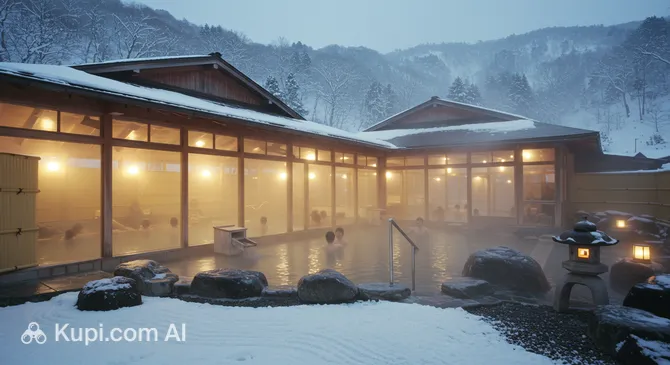
For those seeking relaxation and an authentic Japanese experience, Obinata-no-Yu is a must-visit. As the name suggests, it is likely a traditional onsen (hot spring) where you can soak in healing waters and enjoy the tranquility surrounded by nature. This kind of relaxation is especially pleasant after an active day in the mountains, helping to restore strength and feel harmony.

Obinata no Yu. Illustration.
Source: Kupi.com AI

Traveler photos:

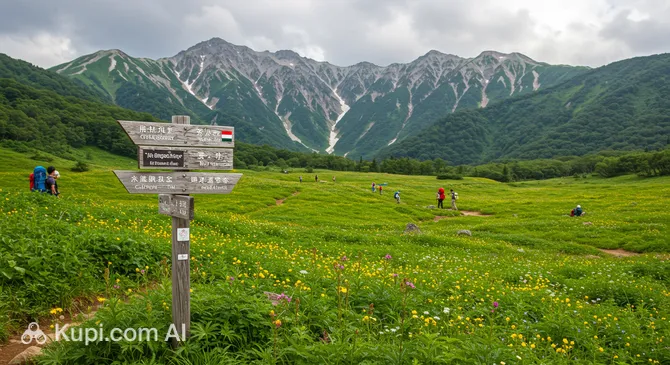
Fans of breathtaking views will certainly enjoy Kurobishidaira. This picturesque location is likely a plateau or observation deck offering stunning panoramic views of the Japanese Alps. It is an ideal spot for photography, nature contemplation, and light walks, allowing visitors to fully appreciate the beauty of the Hakuba region.

Kurobishidaira. Illustration.
Source: Kupi.com AI

Traveler photos:

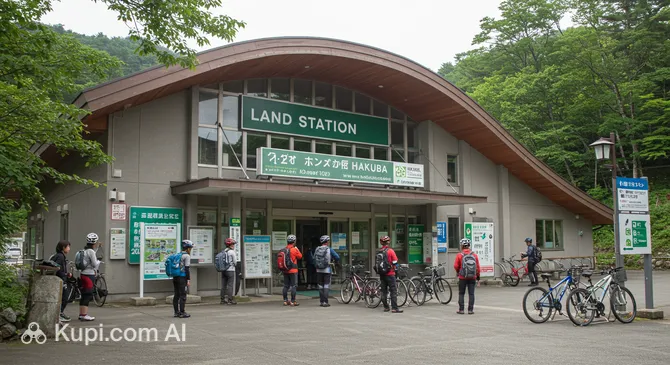
A useful place for tourists is Land Station Hakuba. This "land station" likely serves as an information center or complex where you can get maps, learn about current events, purchase local souvenirs, or try regional cuisine. It is a great place to start your exploration of Hakuba or for a quick stop while touring the surroundings.

Land Station Hakuba. Illustration.
Source: Kupi.com AI

Traveler photos:

Local Cuisine

The gastronomic world of Hakuba is an amazing blend of alpine freshness and centuries-old Japanese traditions. The cuisine of this region is famous for using the freshest local ingredients, which makes every dish truly special. If you want to immerse yourself in Hakuba's culinary culture, start your journey with the main specialties.

One of the most iconic dishes that is a must-try in Hakuba is soba noodles. Here, they are prepared according to ancient recipes using buckwheat flour, often grown in the surrounding areas. It's not just food, but a part of the local identity. Foodies will also be delighted by dishes made from fresh fish caught in mountain rivers, fragrant game dishes, and seasonal vegetables. During the cold season, warming soups and hearty stews are particularly good, perfectly restoring strength after an active day on the ski slopes. Don't overlook dishes based on rice, local tofu, and traditional Japanese pickles.

Among the drinks that perfectly complement your meal, local sake holds a special place. This traditional Japanese rice beverage is represented in Hakuba by various types, each with its unique taste and aroma. For those who prefer non-alcoholic options, there are always fresh juices, herbal teas, and, of course, classic Japanese green tea.

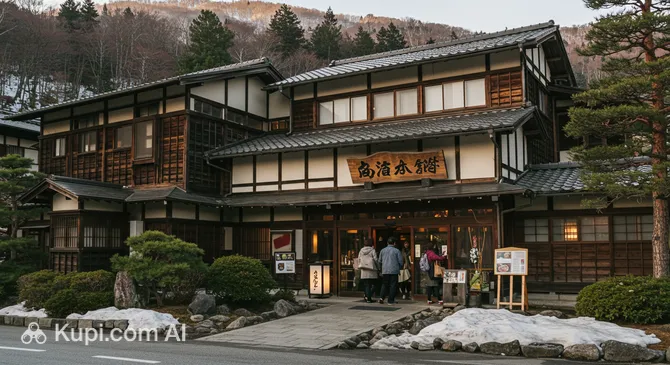
The food culture in Hakuba is diverse. Locals and tourists alike enjoy meals both in cozy restaurants specializing in traditional Japanese cuisine and in more modern establishments with international menus. One of the places where you can taste authentic soba is the Sobashubo Zen restaurant. It's also worth visiting farmers' markets, where you can not only buy fresh produce but also try homemade sweets, unique treats like buns with bean paste filling, or seasonal chestnut and sweet potato treats.

Sobasyubo Zen. Illustration.
Source: Kupi.com AI

Traveler photos:

Hakuba's gastronomic scene attracts tourists with its authenticity and quality. Here you can not only enjoy a delicious meal but also learn more about Japanese culinary traditions, for example, by attending a soba-making masterclass. The town also periodically hosts gastronomic festivals where local chefs demonstrate their art, and guests can enjoy the full variety of the region's flavors.

Travel Tips

Welcome to Hakuba! To make your trip to this famous mountain resort in Japan as comfortable and memorable as possible, we have prepared some practical tips.

  1. Clothing and Essentials:

    Hakuba's climate depends on the season. In winter (December–March), it is snowy and frosty, so bring warm, layered clothing: thermal underwear, fleece sweaters, a waterproof and windproof jacket and pants, a hat, gloves, and a scarf. Don't forget sunscreen and sunglasses — the mountain sun is very strong, especially when reflecting off the snow. In summer (June–August), it's warm during the day, but evenings can be cool, so a light jacket or sweater will come in handy. Comfortable footwear is a must: insulated boots in winter, and sneakers or trekking boots for hiking in summer. Bring an adapter for electrical appliances (Japan uses Type A and B sockets, voltage is 100V). If you plan to visit onsens (hot springs), you might need a small towel.

  2. Transport in Hakuba:

    The main way to get between the ski resorts of the Hakuba Valley is via shuttle buses, especially in the winter season. Schedules should be checked locally or on resort websites. Taxis are available in Hakuba, but they can be quite expensive. Renting a car can be convenient for exploring the area, especially in summer, but in winter, keep in mind the road conditions (snow, ice) and the need for winter tires. There is no public transport like a metro or trams in Hakuba, as it is a small resort village.

  3. Finances: Currency, Cards, Tipping:

    The local currency is the Japanese Yen (JPY). It's best to exchange currency in advance at your arrival airport or at major banks in large cities, as there may be few exchange offices in Hakuba itself, and the rate may be less favorable. Credit cards (Visa, Mastercard) are accepted in most hotels, large restaurants, and shops, as well as for lift passes. However, always carry some cash for small cafes, local shops, or markets. ATMs that accept international cards can be found in post offices (Japan Post Bank) and 7-Eleven stores. An approximate daily budget (excluding accommodation and ski passes) can range from 7,000 to 15,000 JPY. Tipping is not customary in Japan — good service is considered the norm.

  4. Health and Safety:

    Hakuba is a very safe place with a low crime rate. The main risks are associated with active mountain recreation (injuries on slopes, avalanches in winter, weather changes). Always follow the instructions of rescuers and trail markings. Pharmacies are available in Hakuba, but the range of medicines may differ from what you're used to, and staff may not always speak English. It is recommended to bring a basic first-aid kit with necessary medications. Medical assistance is available for tourists, but be sure to get travel insurance before your trip that covers winter sports. In case of emergencies, call 119 (ambulance and fire service) or 110 (police).

  5. Communication: Language, Internet:

    The official language is Japanese. In the tourism sector (hotels, ski rentals, restaurants in popular areas), staff often speak English. However, knowing a few simple Japanese phrases like "Konnichiwa" (Hello), "Arigato" (Thank you), and "Sumimasen" (Excuse me/I'm sorry) will be very helpful and appreciated by locals. Wi-Fi is available in most hotels and many cafes. For constant internet access, it's convenient to rent a portable Wi-Fi router or buy a local SIM card (best done at the airport or ordered online in advance).

  6. Local Etiquette and Traditions:

    Japanese people are very polite and value respect for traditions. When entering a Japanese home, some temples, traditional restaurants (ryokans), and even some hotels, it is customary to remove outdoor shoes. There are strict rules in onsens (hot springs): you must wash thoroughly in the shower before entering the communal bath, and you must enter the water without a swimsuit. Try not to speak loudly in public places, especially on transport. A slight bow is appropriate when addressing or greeting someone.

  7. What to Avoid:

    In Japan, eating on the go in the street is not common (except at festivals or designated areas). Also, avoid sticking chopsticks vertically into a bowl of rice — this is associated with funeral rituals and is considered bad manners. Do not point at people or objects with your chopsticks.

  8. Bonus Tip – Onsens:

    Be sure to visit at least one of the local onsens (hot springs). This is not only a great way to relax after an active day on the slopes or in the mountains but also an important part of Japanese culture. Hakuba has several public onsens, as well as hotels with their own springs. Soaking in hot mineral water with a view of snow-capped peaks is an unforgettable experience.

We hope these tips help you better prepare for your trip and get the most out of your stay in beautiful Hakuba. We wish you an unforgettable experience!

Entertainment & Nightlife

Hakuba, famous for its magnificent ski slopes, offers guests not only daytime activities but also a variety of options for evening relaxation. While Hakuba does not boast the massive nightclubs of major cities, it has a cozy and friendly après-ski atmosphere that flows smoothly into a lively nightlife, especially during the peak ski season.

The main concentration of evening entertainment is in the areas adjacent to the major ski resorts, such as Echoland, Happo, and Wadano. This is where you will find most of the bars, pubs, and restaurants that stay open until late at night. The atmosphere in these establishments is usually relaxed and international, as Hakuba attracts tourists from all over the world. There is generally no dress code — comfortable casual wear after a day on the slopes is perfectly appropriate.

The choice of venues is quite broad: from traditional Japanese izakayas, where you can sample local snacks and sake, to Western-style pubs with a wide selection of beer and cocktails, as well as sports bars broadcasting major events. Some bars offer live music or DJ sets. For dinner, you might consider the Sobashubo Zen restaurant, which serves local cuisine. Many establishments operate until midnight or 1:00 AM, and some even longer, especially on weekends during the high season.

Sobasyubo Zen. Illustration.
Source: Kupi.com AI

Traveler photos:

Practical Tips: The best time to visit bars is after 8:00 PM, when most skiers have finished dinner. Average drink prices can vary but are generally comparable to other resort areas in Japan. You can move between districts at night by taxi, which is best booked in advance through your hotel or restaurant, as catching a car on the street late at night can be difficult. In some cases, night shuttle buses may be available, especially during the peak season — it is worth checking this information locally.

Safety: Hakuba is considered a very safe place, and night walks in the main tourist areas generally do not cause concern. Nevertheless, it is always worth following standard precautions.

Regarding daytime entertainment, besides the obvious skiing or snowboarding, Hakuba offers opportunities to connect with nature. For example, you can visit Hakuba 47 Mountain Sports Park (depending on the season) or explore the picturesque surroundings. For cultural relaxation, small museums and galleries can be found in the region, though the primary focus in Hakuba remains on active recreation and enjoying the mountain scenery.

Parks & Museums

Famous for its ski resorts, Hakuba offers guests not only active winter recreation but also the opportunity to enjoy natural beauty and get acquainted with local culture through its parks and several interesting sites.

Although Hakuba is primarily known for its mountain slopes, there are also wonderful natural areas for relaxation during the warmer months. One such place is Hakuba 47 Mountain Sports Park. In the summer, it turns into a hub for outdoor activities with opportunities for mountain biking, trekking, and other open-air entertainment. It is a great place for a family vacation where everyone can find something to their liking while enjoying the picturesque scenery of the Japanese Alps.

Hakuba 47 Mountain Sports Park. Illustration.
Source: Kupi.com AI

Traveler photos:

For those looking for breathtaking panoramic views, Kurobishidaira is worth a visit. This is a high-altitude plateau offering stunning views of the surrounding mountains. You can get here by cable car, which is an adventure in itself. Here you can walk through alpine meadows, enjoy the silence, and take magnificent photographs.

Kurobishidaira. Illustration.
Source: Kupi.com AI

Traveler photos:

One cannot overlook such a natural site as Obinata-no-Yu — a famous thermal spring (onsen). Soaking in hot mineral waters outdoors, especially after an active day in the mountains, provides unforgettable relaxation and health benefits. This is an authentic Japanese experience that should not be missed.

Obinata no Yu. Illustration.
Source: Kupi.com AI

Traveler photos:

While Hakuba does not abound with major world-class museums like big cities, the region's cultural heritage can be felt through local traditions and information centers. For example, Land Station Hakuba often serves not only as a tourist information point but also as a place where you can learn more about the nature, history, and culture of the Hakuba Valley. Exhibitions dedicated to local crafts or the natural features of the region are sometimes held here.

Land Station Hakuba. Illustration.
Source: Kupi.com AI

Traveler photos:

To dive deeper into the culture, look for small galleries, if available, where works by local artists may be displayed, or visit one of the traditional ryokans (Japanese inns), many of which are themselves examples of Japanese design and hospitality. It is also worth looking for information about small temples and shrines in the Hakuba area, which often hold interesting artifacts and reflect local history and beliefs.

For an authentic experience, take a walk along the lesser-known hiking trails that branch off from the main tourist routes — there you can find secluded corners of nature and enjoy the tranquility. Also, stop by local souvenir shops, where you can sometimes find unique handmade items reflecting the spirit of Hakuba and the Nagano region.

Getting Around

When planning a trip to Hakuba, it's important to think about how you will get around in advance. This popular ski resort area consists of several villages and skiing zones, so public transport plays a key role in tourist convenience.

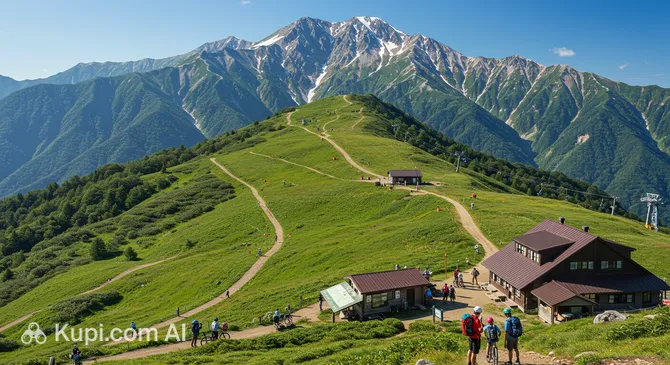
The main form of public transport in Hakuba is buses. There are several types of bus routes: * Local buses: These run within the main villages like Hakuba, Goryu, and Echoland, connecting the railway station, residential areas, and shops. * Shuttle Buses: During the winter season, this is the most popular way to reach the various ski resorts in the Hakuba Valley (e.g., Happo-One, Goryu, Hakuba 47, Iwatake). Many of these shuttles are free for ski pass holders or run on fixed, often very convenient routes between hotels, bus stops, and lifts. * Long-distance buses: These connect Hakuba with major cities such as Nagano, Tokyo, Osaka, and airports.

The fare payment system in Hakuba depends on the type of bus. On many local routes and some shuttles, payment is made in cash when exiting the bus. It is recommended to have small change on you. For some routes, especially those connecting resorts, there may be day or multi-day passes, which are economical for frequent use. Widely used transport IC cards in Japan (such as Suica or Pasmo) may be accepted on some long-distance buses or routes operated by major transport companies, but do not rely on them as the primary payment method for all local lines in Hakuba. Check the possibility of using IC cards directly with the driver or on information stands.

Practical tips for tourists: * Where to buy tickets: Tickets for local buses are usually bought from the driver upon exiting. Tickets for long-distance buses can be purchased at bus terminals (e.g., at Hakuba Station), online, or at tourist information centers. * How to use: In Japan, you often enter the bus through the back door (if there are two), take a ticket with a stop number (if the fare system is zone-based), and pay the fare upon exiting through the front door by putting the money and ticket into the fare box next to the driver. Bus schedules are available at stops, on transport company websites, in hotels, and at tourist centers. * Operating hours: Buses usually start running early in the morning and finish in the evening. During peak season (winter), the number of trips increases. However, late in the evening and at night, public transport may not run, so plan your movements in advance.

In addition to buses, other ways of getting around are available in Hakuba: * Taxis: Taxis can be found at Hakuba Railway Station, major hotels, or called by phone. This is a more expensive option but convenient for trips to remote locations or if you have a lot of luggage. * Car Rental: Provides greater freedom of movement, especially if you plan to explore the surroundings of Hakuba or are traveling in summer. In winter, you must consider difficult road conditions (snow, ice) and have appropriate driving experience or choose 4WD vehicles with winter tires. Parking at some resorts and hotels may be paid. * Bicycle Rental: During the warmer months, renting a bike is a great way to explore the valley at your own pace.

A feature of the Hakuba transport system is undoubtedly the extensive network of shuttle buses between ski resorts during the winter period. This system is very convenient for skiers and snowboarders, allowing them to easily move between different skiing zones, often without resorting to other forms of transport. Many hotels also offer their own free transfers to the lifts or bus stops.
Accommodation

As a world-famous ski resort, Hakuba offers tourists a wide range of accommodation options for every taste and budget. Here you will find everything: from traditional Japanese ryokans with hot springs (onsens) and modern hotels to cozy family-run pensions (minshuku), self-catering apartments, spacious chalets, and more economical guest houses and hostels. This variety allows every traveler to find the perfect place to stay, whether it's a luxury vacation or a budget trip.

When choosing accommodation in Hakuba, you should pay attention to its location relative to the ski slopes and infrastructure. The most popular areas among tourists are those adjacent to the valley's main resorts, such as Happo-One, Hakuba Goryu, Hakuba 47, and Iwatake. Staying near ski lifts or shuttle bus stops significantly simplifies access to the slopes. Neighborhoods such as Wadano, located at the base of Happo-One, or Echoland with its numerous restaurants and bars, offer a convenient combination of skiing access and evening entertainment. Many accommodation options are also within walking distance of equipment rentals and shops.

Hakuba features many hotels and resort complexes, from luxury to more affordable options, offering comfortable lodging and various services for guests. While specific well-known hotels are not highlighted in this overview, you can easily find a suitable option through popular booking systems by looking at reviews and locations.

When planning a trip to Hakuba, especially during the peak ski season (December to March), it is highly recommended to book accommodation well in advance. During this period, demand is very high, and the best options are snapped up months ahead. You should also consider national holiday periods when the influx of tourists increases. For the summer season, when Hakuba attracts hiking and outdoor enthusiasts, pre-booking is also advisable, though less critical than in winter.

The price range for accommodation in Hakuba varies from budget to premium. You can find inexpensive spots in hostels or simple guest houses, as well as mid-range hotels or luxury chalets and ryokans. You can book accommodation through popular international online platforms (e.g., Booking.com, Agoda, Expedia), specialized Japanese booking sites, or directly through hotel and ryokan websites. Some local travel agencies also offer services for selecting and booking accommodation.

Nearby Cities

For those who wish to explore the surroundings, Hakuba serves as an excellent starting point for day trips to several interesting nearby locations. These excursions will allow you to get a deeper look at the culture and nature of the region.

Among them, Nagano particularly stands out—the host city of the 1998 Winter Olympics, where you can visit the famous Zenko-ji Temple, one of Japan's oldest and most revered Buddhist temples. History buffs should head to Ueda to see the impressive Ueda Castle, which played an important role in Japanese history, and stroll through its historic streets. For those seeking a blend of nature and art, Azumino offers picturesque landscapes at the foot of the Japanese Alps, famous wasabi farms, and numerous art galleries.

CityPopulationDistance
Ogawa28 38614 km
Omachi25 88322 km
Chikuma58 75529 km
Nagano367 18430 km
Iizuna10 13434 km

These nearby destinations provide a deeper understanding of the diverse culture and landscapes of Nagano Prefecture, enriching your experience in Hakuba.

Shopping & Souvenirs

Hakuba, being a world-famous ski resort, offers its guests shopping opportunities primarily focused on outdoor activities and local souvenirs. You won't find massive shopping malls here like in the metropolises, but you can purchase high-quality equipment, winter sports clothing, and unique Japanese goods.

The main shopping spots are concentrated near the major ski resorts such as Happo-One, Hakuba Goryu, and Iwatake, as well as in the Echoland district, known for its restaurants and small shops. Here you can find specialized sporting goods stores, boutiques with clothing from famous outdoor brands, and souvenir shops. A good selection of local products and souvenirs can be found at Land Station Hakuba, which serves as a sort of tourist information center with retail outlets.

There are no large shopping centers in the traditional sense in Hakuba. Shopping here is more intimate and specialized. Instead of malls, you will find individual stores offering a wide range of goods for skiers and snowboarders, from equipment to accessories and thermal underwear.

As for markets, they are not a primary feature of the shopping scene in Hakuba. However, during the tourist season, you may come across small fairs or stalls with local products, fresh vegetables, fruits, and crafts. Sometimes such mini-markets may be organized at Land Station Hakuba or near popular tourist spots.

As souvenirs from Hakuba, it's worth bringing back items made by local artisans, such as ceramics or textiles with traditional patterns. Local delicacies are also popular: pickles (tsukemono), miso paste, locally produced sake, and, of course, the dried soba noodles that Nagano Prefecture is famous for. Don't forget themed souvenirs related to skiing or cute Japanese charms.

Shops in Hakuba typically operate from 10:00 AM to 7:00 PM or 8:00 PM. Equipment rental shops may open earlier and close later, especially during peak season. Most shops and restaurants accept credit cards, but it is always useful to have some cash on hand, especially for purchases in small shops or at occasional fairs.

For international tourists in Japan, a Tax-Free system is available. When purchasing goods for a certain amount (usually over 5,000 yen in a single receipt at a participating store), you can apply for a consumer tax refund. Look for shops with the "Tax-Free Shopping" sign and don't forget to present your passport at the time of purchase.

Reached the end of the page?

That means the route is fully explored