Support

Yenagoa

About

Yenagoa is a charming and picturesque city located in southern Nigeria, in the heart of the mighty Niger River Delta, near the coast of the Gulf of Guinea. As the administrative center of Bayelsa State, Yenagoa possesses a special atmosphere imbued with tropical charm thanks to its numerous canals, mangroves, and scenic river landscapes.

With a population of around 380,000 people, Yenagoa is not a sprawling megacity, which gives it a particular charm and allows guests to settle in quickly. The city is considered an important center of the oil region, yet despite its industrial significance, it has managed to preserve its original culture, friendly atmosphere, and a unique blend of modernity with the traditions of local peoples. Walking through its streets, you can see how lively markets and modern buildings harmoniously coexist.
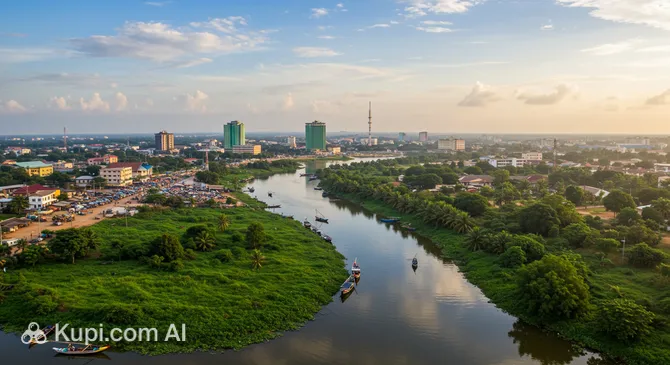
Yenagoa. Illustration.
Source: Kupi.com AI

Yenagoa attracts travelers with its unique nature and cultural diversity. Among the city's key features is the opportunity to take fascinating boat trips along the canals, exploring mangroves and enjoying views of the delta. It is also worth visiting the colorful local markets and craft shops, where you can get acquainted with the products of local artisans. The river landscapes themselves, with boats and motorboats scuttling across the water, create a unique and dynamic urban landscape.

The hospitality of the residents has long been a hallmark of Yenagoa. It is an ideal place for those who want to experience the authentic culture of the southern part of the country, its music, traditions, and, of course, gastronomy, especially fresh seafood. Yenagoa is a city that knows how to surprise and inspire, offering a leisurely rhythm of life in the delta and vivid impressions of local holidays. Visit Yenagoa to discover a different Nigeria!

You can find more interesting facts on the Yenagoa city history page.

Weather Overview

The weather in Yenagoa is characterized as hot and humid throughout the year. Average annual temperatures range from 25.7°C (July) to 29.5°C (February), with maximum values often reaching 32-34°C, especially from January to March. The city receives abundant rainfall, with a pronounced rainy season from March to November, when the number of rainy days per month can reach 26-30. A drier period is observed from December to February, but precipitation is still possible during this time, albeit in smaller amounts.

For more detailed planning of your trip, we recommend checking the detailed information about the weather in Yenagoa by month, including data on average temperatures, precipitation levels, and the number of rainy days.

Average monthly temperature

Average monthly precipitation

Interesting Facts

In addition to its role as an administrative center, Yenagoa hides many amazing features and little-known details that make it a truly unique place in Nigeria.

  • Despite its significance, Yenagoa is a relatively young city. It was founded only in 1996, when Bayelsa State was established as a separate administrative unit, and has been developing rapidly ever since.

  • Life in Yenagoa is inextricably linked with water. Due to its location in the Niger Delta, many houses and even markets here are built on stilts, and boats are a common means of transport for locals, replacing cars in many parts of the city.

  • The city is a guardian of ancient traditions. Every year, colorful cultural festivals dedicated to the heritage of the Ijaw and Nembe peoples take place in Yenagoa, where you can see authentic rituals, hear the sounds of traditional drums, and admire bright national costumes.

  • Yenagoa is not only an administrative but also an important cultural center of the region. The city is known as the cradle of modern Nigerian art and music, regularly hosting exhibitions, concerts, and creative workshops that attract talent from all over the country.

How to Get There

When planning a trip to Yenagoa, the capital of Bayelsa State in Nigeria, it is worth noting that the city does not have its own major passenger airport. The primary way to get here for most tourists is by flying to one of the nearest international or regional airports, followed by a ground transport transfer.

The most convenient option is Port Harcourt International Airport (IATA: PHC), located in the city of Port Harcourt about 67 km from Yenagoa. This is a major international airport, from which you can reach the center of Yenagoa by taxi or bus in approximately 2 hours. The airport serves a significant number of both domestic and international flights, making it the main hub for those traveling to this region.

Another popular option is Sam Mbakwe International Airport (IATA: QOW), which is located in the city of Owerri. The distance from this airport to Yenagoa is about 109 km, and the trip by car or bus will take roughly 3 hours. This airport also accepts international and domestic flights, providing an alternative route for arriving in Yenagoa.

For clarity, here is a summary of the main airports through which you can reach Yenagoa:

AirportPassenger trafficDistance
Port Harcourt International Airport1.2 mln67 km
Warri250 00092 km
Sam Mbakwe International Airport583 000109 km
Asaba Airport232 827143 km
Benin City Airport340 000172 km

Main Attractions

Yenagoa, the capital of Bayelsa State, may not be among Nigeria's most famous tourist centers, but it has its own interesting places that allow for a closer look at the life and culture of the Niger Delta region. The city offers several notable locations that deserve the attention of travelers.

One of the main points of attraction in Yenagoa is the Swali Market. This is the largest market in the city and one of the busiest in the state. Here you can immerse yourself in the authentic atmosphere of Nigerian trade, find the freshest local products, fish, exotic fruits, as well as handicrafts and traditional fabrics. Visiting the market is a great opportunity to observe the daily life of the citizens and purchase unique souvenirs.

Nature lovers and those looking for a peaceful rest should visit Oxbow Lake. This picturesque lake, formed from an old channel of the Nun River, is a popular recreational spot for locals. Here you can enjoy beautiful views, have a picnic, and boat trips are occasionally available. It is a wonderful place to take a break from the city bustle and admire the region's nature.

To gain a deeper understanding of the culture and traditions of the Ijaw people, who are dominant in Bayelsa State, you can visit the Bayelsa State Council for Arts and Culture. Exhibitions are often held here showcasing local art, crafts, traditional costumes, and musical instruments. It is an important place for preserving and promoting the cultural heritage of the region.

For leisurely walks and outdoor relaxation, Peace Park is ideal. This is one of the few landscaped green spaces in the city where you can take shelter from the daytime heat in the shade of trees, stroll along the paths, or simply sit on a bench. The park is a symbol of the desire for peace and harmony and serves as a popular meeting and relaxation spot for the city's residents.

Local Cuisine

The gastronomic scene in Yenagoa is a true immersion into the authentic flavors of the Niger Delta. A key feature of the local cuisine is the abundance of fresh fish and seafood. Be sure to try Fish Pepper Soup—a fragrant and warming dish often served with a side of yam or plantain. Another local specialty is bole: charcoal-roasted plantains that pair perfectly with a spicy fish sauce. These dishes reflect the heart of the region's culinary traditions.

Delicacies made from shrimp, crab, and oysters, prepared according to recipes passed down from generation to generation, are no less popular. At local markets, you can find smoked fish and dried seafood, which are considered true delicacies. For drinks, look out for traditional palm wine and various refreshing drinks based on spicy herbs. Non-alcoholic options often include freshly squeezed tropical fruit juices.

The food culture in Yenagoa is very vibrant and accessible. Street food here is not just a quick snack but an important part of daily life. At every turn, you can find vendors offering cassava-based dishes, appetizing fried meat pies with spicy fillings, or the famous Nigerian jollof rice, prepared with aromatic spices. Yenagoa's farmers' markets also deserve attention: here you will find an abundance of the freshest tropical fruits such as mangoes, papayas, pineapples, and coconuts. The city is also known for its gastronomic festivals, where you can not only taste culinary masterpieces from local chefs but also learn the secrets of preparing traditional sauces.

Travel Tips

Planning a trip to Yenagoa? Wonderful! To ensure your journey through this colorful city in the heart of Nigeria goes smoothly and leaves only pleasant impressions, we have prepared some practical tips for you.

  1. Clothing and Essentials: What to Pack.

    Yenagoa has a tropical monsoon climate, so it is hot and humid year-round. Bring light, breathable clothing made from natural fabrics (cotton, linen). Don't forget an umbrella or a light raincoat, especially if traveling during the rainy season (roughly from April to October). Comfortable closed shoes for walking and sandals are a must. Also, sunscreen, a hat, insect repellent, and a universal plug adapter will come in handy (types D and G are used in Nigeria, with 230V voltage). When visiting religious sites or official institutions, choose modest clothing that covers shoulders and knees.

  2. Transport: Getting Around the City.

    The main types of public transport in Yenagoa are shared taxis (minibuses) and motorcycle taxis, known as \"okada\" (though their use may be restricted in some areas). When using a regular taxi, always agree on the fare in advance. Ride-hailing apps like Bolt or Uber may be less common than in the capital, so check their availability upon arrival. Car rental is possible, but note that traffic can be chaotic. If you need private transport for a long period, consider hiring a car with a driver.

  3. Finances: Currency, Cards, and Tipping.

    The local currency is the Nigerian Naira (NGN). It is best to exchange money at banks or official exchange offices; avoid street changers. Major hotels and some supermarkets may accept international bank cards, but it is recommended to always carry enough cash, as card processing can be unstable. ATMs are available, but it is better to use those located in bank branches during business hours. A rough daily budget could be $30-70 (excluding expensive hotels). Tipping is not mandatory everywhere but is welcomed for good service (usually 5-10%); sometimes it is already included in the bill at restaurants.

  4. Health and Safety: What to Look Out For.

    Bring a first-aid kit with necessary medications, as the selection in local pharmacies may differ. Be sure to obtain travel insurance covering medical expenses and possible evacuation. Drink only bottled or boiled water. Stay vigilant: avoid displaying valuables and do not walk alone at night in sparsely populated areas. Clarify information about the safety of specific districts with hotel staff or locals. Yenagoa is in the Niger Delta region, which has its own security considerations; exercise reasonable caution.

  5. Communication: Language, Connectivity, and Internet.

    The official language in Nigeria is English; it is widely spoken, especially in business and among the youth. Local languages like Ijaw are also spoken in Yenagoa. For connectivity, it is convenient to buy a SIM card from one of the local operators (MTN, Glo, Airtel, 9mobile); a passport is required for registration. Wi-Fi is available in most hotels and some cafes, but mobile internet is often more stable. Useful English phrases include: \"Good morning/afternoon/evening\", \"Thank you\", \"How much is this?\".

  6. Local Etiquette: How to Behave.

    The accepted form of greeting is a handshake. Show respect to elders. Behave modestly in public places. Always ask for permission before photographing people. It is important to remember that it is customary to use the right hand for giving money, food, or for handshakes, as the left hand is considered \"unclean\" in some cultures.

  7. What to Avoid: Important Points.

    Refrain from public criticism of local customs, traditions, or government actions—be tactful in your statements. Also, do not photograph government buildings, military installations, or personnel without special permission to avoid misunderstandings.

  8. Additional Tip: Local Markets.

    Be sure to visit Yenagoa's local markets to experience the city's authentic atmosphere. Here you can buy fresh fruits, vegetables, spices, and unique handmade souvenirs. Since Yenagoa is located in the Niger Delta, fish markets can be of particular interest. Don't hesitate to bargain politely—it's part of the local culture.

We hope these tips help you better prepare for your trip to Yenagoa and enjoy every moment of your stay in this interesting corner of Nigeria. We wish you an exciting and safe journey!

Entertainment & Nightlife

As evening falls, Yenagoa offers its guests and residents various opportunities for relaxation and entertainment. While the city may not compare in noise level to the largest metropolises, you can certainly find places for a pleasant pastime after sunset, especially on weekends when the atmosphere becomes noticeably livelier.

Main nightlife in Yenagoa is concentrated along busy traffic arteries, such as Mbiama-Yenagoa Road, and in areas adjacent to the Isaac Boro Expressway, as well as near some large hotels. The atmosphere in local venues is usually energetic and welcoming, often filled with the sounds of popular Nigerian and African music, including Afrobeats and Highlife. The crowd is generally mixed, consisting of both locals and visitors. Most bars and clubs follow a casual dress code, though some more upscale establishments may expect visitors to have a neater appearance.

The choice of evening entertainment in Yenagoa includes cozy local bars for relaxed socializing, more dynamic nightclubs with dance floors and DJs, and restaurants that stay open late, offering both local cuisine and international options. Since the entertainment scene is dynamic and specific venues can change, and due to the lack of data for direct links at the moment, it is recommended to check for current recommendations and addresses of popular places with locals or at your hotel upon arrival. In the past, city guests and locals have noted venues such as The Groove Spot, known for its lively atmosphere, or Capital Bar, which offers a wide selection of drinks. Some places, like the Bayelsa Nites Club, might also host themed parties or performances by local musicians.

The best time to visit night venues is usually from late evening, around 10:00 PM - 11:00 PM, when they start to truly come alive, and the fun can continue until the early morning, especially on Fridays and Saturdays. Prices in establishments can vary but generally remain moderate compared to major cities. For getting around the city at night, the most convenient and safe method is a taxi. It is recommended to agree on the fare in advance or ensure the driver uses a meter if that is the practice.

Regarding safety, as in any city, it is worth exercising reasonable caution at night. Try to stick to well-lit and busy streets. It is safest to call a taxi directly to the venue or use the services of well-known transport companies, perhaps on the recommendation of your hotel. Avoid walking alone in unfamiliar or poorly lit areas late at night.

During the day, Yenagoa also offers its guests some leisure options. Travelers can visit colorful local markets to feel the authentic atmosphere and perhaps purchase souvenirs or fresh produce. A walk in the area of Ox-Bow Lake, which is one of the city's natural attractions, might be of interest. It is also worth inquiring about the presence of small cultural centers or exhibitions that may tell the story of the history and traditions of Bayelsa State.

Parks & Museums

Yenagoa, the capital of Bayelsa State in Nigeria, offers its guests both corners for outdoor relaxation and opportunities to get acquainted with the rich local culture. While the city may not boast world-famous parks or huge museum complexes, it has its own interesting spots that allow for a better understanding of the region's life.

For those seeking outdoor recreation, Yenagoa offers several green zones. One popular place for walking and relaxation is Peace Park, often used for public events and family leisure. It is also worth noting the embankments along the Nun River or other waterways, where you can enjoy the views and fresh air. While these may be informal recreation areas, such places often become a magnet for local residents. In the city's surroundings, you can find areas of nature typical of the Niger Delta, which will be of interest to ecotourism enthusiasts.

Cultural life in Yenagoa centers around preserving the heritage of the Ijaw people. A key place for getting to know the history and traditions of the region is the Bayelsa State Museum. Here, visitors can typically see exhibits dedicated to archaeological finds, ethnography, traditional crafts, and the art of the ethnic groups inhabiting the state. There may also be small cultural centers or galleries in the city where works by local artists reflecting modern life and ancient motifs are exhibited.

Among the architectural sites, modern administrative buildings that shape the look of the state capital stand out. Although there are few ancient historical monuments in Yenagoa, the very atmosphere of the city, its markets, and daily life are reflections of the local culture. For more authentic impressions, it's worth visiting one of the local markets, such as Swali Market, where you can see a variety of local products, handicrafts, and observe the lively trade. This is a great opportunity to feel the real spirit of Yenagoa and perhaps purchase unique souvenirs.

Getting Around

Getting around Yenagoa is possible using several types of public transport, which form the basis of urban mobility. The most common are shared taxis, known here as \"danfo\"—these are usually minibuses. Also very popular are motorcycle taxis, called \"okada,\" and three-wheeled motor-rickshaws known as \"keke napep.\" These types of transport provide flexibility and accessibility in most parts of the city.

The payment system in Yenagoa is predominantly cash-based. Passengers pay the driver or conductor directly for the trip. The cost usually depends on the distance, and sometimes it's worth negotiating before starting the journey, especially regarding motorcycle taxis. Travel cards or transport apps familiar to many tourists are generally not available here, so always carry small bills for convenience.

To use public transport, simply flag it down with a wave of your hand on the street. \"Danfo\" and \"keke napep\" often ply main roads and follow more or less established routes, though there may not be clear schedules or designated stops. \"Okada\" motorcycle taxis offer a more personalized service, delivering passengers directly to their destination. Public transport operates most intensely during the day; its availability may be limited in the evening and at night.

Private taxis serve as an alternative to public transport. They can be found at special stands or called by phone. Although app-based taxi services are gradually gaining popularity, their prevalence in Yenagoa may not be as wide as in major metropolises. Options such as car-sharing or a developed bike-rental system have not yet become widespread in the city.

The main feature of Yenagoa's transport system is its predominantly informal nature. This means tourists should be prepared for some improvisation, such as clarifying the route with the driver or local residents. Nevertheless, the existing modes of transport allow for fairly efficient movement around the city and a chance to get acquainted with its life.

Accommodation

When planning a trip to Yenagoa, you will find a variety of accommodation options capable of satisfying different preferences and budgets. The city features budget guesthouses and small hotels as well as more comfortable middle-class hotels. You can also consider renting an apartment, which can be convenient for long stays or family travel.

When choosing a place to stay, you should pay attention to areas that provide convenient access to the city's main transport arteries or points of interest. Central districts generally offer more options and better infrastructure for tourists. Some travelers prefer staying near government buildings or business centers if their trip is business-related.

The price range for accommodation in Yenagoa varies from economy options to more expensive offers. It is recommended to book accommodation in advance, especially if your trip coincides with periods of high demand or major events. For searching and booking, it is convenient to use popular online platforms that allow you to compare prices and conditions, as well as read reviews from other travelers. Some hotels also offer the possibility of direct booking through their websites or by phone.

Nearby Cities

For those who want to explore the surrounding area, Yenagoa serves as an excellent starting point for day trips to several interesting nearby locations:

CityPopulationDistance
Choba27 25362 km
Port Harcourt1 865 00070 km
Warri830 10692 km
Owerri908 10998 km
Burutu209 666103 km

These nearby destinations provide insight into the diverse culture and landscapes of the region. Each of these cities offers its own unique attractions: Port Harcourt is known as a major industrial and commercial center with developed infrastructure and cultural sites. Aba is famous for its lively markets, especially the Ariaria Market, one of the largest in West Africa. Onitsha attracts visitors with its famous market on the banks of the Niger River and its rich history. Owerri offers a more relaxed atmosphere with parks and recreational spots, while Warri is an important oil center with interesting cultural characteristics.

Shopping & Souvenirs

Shopping in Yenagoa offers tourists both traditional Nigerian markets and modern shops, although the city is not a major international trading hub. Here you can find unique local goods, colorful fabrics, and handmade items that make excellent souvenirs from Nigeria.

The main shopping points in Yenagoa are often concentrated along major streets, such as Mbiama-Yenagoa Road, and in busy commercial districts. Various shops are located here, ranging from small stalls to larger retail outlets offering clothing, electronics, and everyday goods.

While there may not be massive world-class shopping malls in Yenagoa, you can find modern shopping plazas or complexes where shops offering various goods and services are gathered under one roof. These can be convenient places for shopping in more comfortable conditions.

A special place in Yenagoa's shopping scene is occupied by the markets. One of the most famous is the Swali Market. This is a large market where you can find almost everything: from fresh produce, fish, and spices to clothing, shoes, household goods, and local crafts. Visiting the market is not only an opportunity to shop but also to immerse yourself in the authentic atmosphere of local life.

For souvenirs from Yenagoa, look for traditional Nigerian fabrics such as Ankara or Adire with bright patterns. Also popular are handmade wooden items, beaded jewelry, woven baskets and bags, as well as local spices and products like palm oil or dried fish, if export regulations permit.

Shops in Yenagoa usually operate from the morning (around 8:00 AM - 9:00 AM) until the evening (6:00 PM - 7:00 PM), with some closing later. Markets start their operations early in the morning. The main method of payment, especially in markets and small shops, is cash (Nigerian Naira, NGN). In larger stores and retail points, bank cards may be accepted, but it is always better to have enough cash on hand.

Information on the Tax Free system for tourists in Yenagoa is limited. Most likely, such a system is not widespread. It is recommended to check for the possibility of a tax refund directly at large stores when making significant purchases, but do not count on it too heavily.

Reached the end of the page?

That means the route is fully explored