Support

Sapele

About

Located in Delta State, across the southern reaches of Nigeria, Sapele represents a unique blend of a bustling industrial center and a vital transportation hub. The city stretches along the banks of the Ethiope River, in the heart of the Niger Delta. Its history began as a small trading village during the colonial period, but over time, it evolved into a key port and a center for the timber industry, renowned for its massive sawmills and plywood production.

The city's geographic location within the tropical rainforest zone defines its economy and character. It is home to approximately 242,652 people whose lives are closely tied to the ports, palm oil processing, and rubber production. While Sapele is more often perceived as a business hub than a classic tourist destination, it possesses the distinct energy of a working city where commerce and trade pulse through the streets.
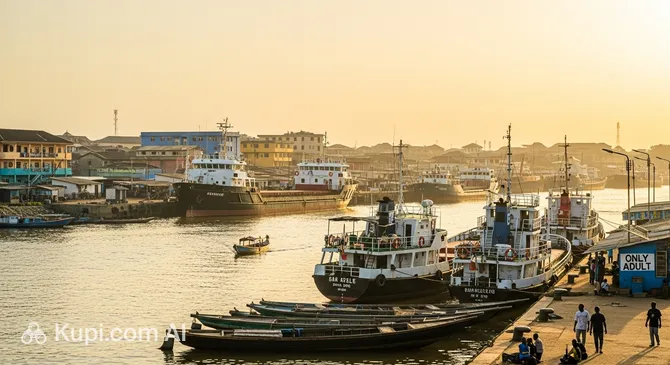
Sapele. Illustration.
Source: Kupi.com AI

One of the interesting features of this place is its rich heritage dating back to the British era. You can learn more about the history of the city and its rise as one of the largest timber exporters by exploring its vintage clubs and port architecture. For the traveler, Sapele offers an opportunity to see the real, unvarnished life of industrial West Africa.

We invite you to visit this dynamic city to feel the rhythm of the Ethiope River, stroll through colorful local markets, and meet the hospitable Okpe people, who form the foundation of this region's cultural diversity.

Weather Overview

The climate in Sapele is classified as tropical monsoon, which means consistently warm and humid weather throughout the year. The average annual temperature is around 28.5°C, with daytime highs in the hot months like February and March reaching up to 34°C. The rainforests surrounding the city and the river delta contribute to a high level of humidity that is felt almost constantly.

The city has two distinct seasons. The rainy season lasts for most of the year, peaking in June, July, and September, when rainfall can exceed 350-400 mm per month. The dry season occurs between December and January, bringing temporary relief from the downpours and clearer days, although short rains are possible even then. More detailed information about the current weather in Sapele can be found in specialized meteorological reports.

When planning a trip, it's worth noting that the spring months are often considered the most pleasant due to the relative mildness of the weather. Nevertheless, tourists should always be prepared for tropical rainstorms that can start suddenly. The industrial nature of the city also affects the microclimate: on windless days, the air in the port and sawmill areas can feel dusty, which should be considered by people with sensitive health.

Average monthly temperature

Average monthly precipitation

Interesting Facts

  • The Sapele Athletic Club, founded in 1880, is the oldest sports and social club in all of Nigeria, established even before the famous clubs in Ikoyi or Kaduna.

  • The city stands on the banks of the Ethiope River, which is remarkable for remaining freshwater despite its proximity to the ocean and its status as a major seaport.

  • Sapele is one of Africa's largest woodworking centers; the local plywood and veneer factory is considered one of the most powerful in the region and was for a long time the largest enterprise of its kind in the Commonwealth of Nations.

  • Vast rubber plantations are located around the city, making it an important center for rubber and footwear production.

  • The local market is a key trading hub for cassava and palm oil, supplying products to a significant portion of Delta State.

How to Get There

Sapele occupies a strategically important position in the transport system of southern Nigeria, acting as a link between major economic centers. Thanks to Federal Highway A2, the city has direct connections to important hubs such as Benin City (68 km to the north) and Warri (to the south). A journey by car or intercity bus from Benin usually takes about one and a half to two hours, though possible delays due to heavy traffic in industrial zones should be considered.

The city does not have its own airport, so travelers typically use the airports in neighboring cities. The closest flights are served by the Warri and Benin City airports, from which Sapele can be easily reached by taxi or regular bus services. You can find current details on routes and how to get to the city as comfortably as possible on specialized transport pages.

AirportPassenger trafficDistance
Warri250 00034 km
Benin City Airport340 00050 km
Asaba Airport232 827113 km
Ondo - Akure Airport114 000158 km
Port Harcourt International Airport1.2 mln169 km

Since Sapele historically developed as a river port on the Ethiope River, water transport still plays a role in the city's life. Although it is primarily oriented toward the freight transport of timber and processed goods, there are local options for moving by water. Rail connections in this area are poor, so roads remain the primary choice for tourists and business travelers.

Main Attractions

Sapele is primarily a city of industry and labor, so classic tourist attractions are replaced here by industrial aesthetics and sites with a rich past. One of the key points of interest is the Sapele Township Stadium—a multi-purpose arena that can hold up to 16,000 spectators. The stadium serves as the center of sporting life, hosting football matches and athletic competitions, and serves as a temporary home for several Nigerian football clubs.

For those interested in the region's past, the Sapele Athletic Club is a must-visit. Founded in 1880, it holds the status of the oldest club in the country, predating many famous establishments in Lagos and Benin. This place still retains the atmosphere of old colonial Nigeria and serves as a social venue for the local elite and businesspeople.

The natural dominant feature of the city is the majestic Ethiope River. Unlike many other parts of the delta, the water here remains fresh, making walks along the bank or boat trips particularly pleasant. Views of the port areas, where giant logs of precious wood species await loading, create impressive industrial landscapes.

Equally interesting is the Sapele Main Market. It is not just a shopping area but the beating heart of the city, where you can see the full variety of Niger Delta goods: from freshly caught fish to items made by local woodworkers. Exploring the market allows for a better understanding of the daily life and traditions of the Okpe people.

Local Cuisine

The gastronomy of Sapele is a vivid reflection of the culinary traditions of Delta State, where the gifts of the Ethiope River and the fruits of the tropical land play the leading roles. The basis of the local diet consists of dishes made from cassava (manioc), yams, and plantains. One of the most popular items is fufu, which is served with rich soups based on palm oil, seasoned with aromatic spices and fresh seafood.

Local fish delicacies are a must-try, prepared in many ways: fried, dried, or smoked over wood from valuable tree species, which gives the dishes a unique flavor. In Sapele, palm nut soups (Banga soup) are also popular and are considered the region's culinary signature. The cuisine here is quite spicy and hearty, designed for people engaged in physical labor at the port and factories.

The food culture in the city is centered around the markets and the busy streets of the center. Locals often eat at small eateries serving freshly prepared street food: fried fish, spicy meat pies, and rice dishes. Popular drinks include freshly squeezed tropical fruit juices and traditional palm wine, harvested from the surrounding forests.

Despite the lack of fine dining restaurants, the city's gastronomic scene attracts with its honesty and authenticity. The quality of ingredients is always high thanks to the proximity of the markets and the river. Visiting a local market is the best way not only to see what goes into the signature dishes but also to taste the freshest fruits and nuts straight from the stall.

Travel Tips

A trip to Sapele will give you a unique experience of getting to know the industrial heart of Nigeria; however, for a comfortable journey, it's worth considering a few practical nuances that will help you feel more confident.

  1. Clothing and Essentials: Choose light clothing made from natural, breathable fabrics, as the region is humid and hot year-round. During the rainy season, be sure to bring a sturdy umbrella or raincoat. For visiting industrial zones and markets, closed-toe, comfortable shoes are useful.
  2. Transport: The fastest way to move around the city is by motorcycle taxi (okada), but for greater safety and comfort, it's better to call a taxi. Agree on the fare before the trip, as meters are rarely found in cars.
  3. Finances: The main method of payment is cash Naira. Cards are only accepted in some hotels and large corporate offices. Always have a supply of cash for markets and transport, as ATMs may not always be accessible.
  4. Health: Before your trip, be sure to take malaria prophylaxis and bring strong repellents. Use only bottled water for drinking and brushing teeth.
  5. Communication: English is widely spoken and is the official language, but knowing a few phrases in Pidgin English will help you connect with locals more quickly.
  6. Local Etiquette: Greetings are very important in Nigerian culture. Always greet people before getting down to business or asking a question. A polite and friendly attitude will open many doors for you.
  7. What to Avoid: Walking alone after dark is not recommended, especially in the port area and remote market squares. Try not to photograph industrial sites or government buildings without official permission.
  8. Additional Tip: Visit the Sapele Athletic Club to chat with local old-timers—it's the best way to learn the city's non-obvious stories in a safe and pleasant environment.

Following these simple rules will make your visit to Sapele productive and safe, allowing you to focus on exploring this dynamic industrial hub.

Entertainment & Nightlife

The entertainment scene in Sapele is modest and practical, reflecting its status as a major industrial port. The center of social life and networking is traditionally the Sapele Athletic Club. As the city's oldest establishment, it offers sports facilities and evenings in a quiet, respectable setting, attracting business professionals and expats.

Fans of mass spectacles should check out the Sapele Township Stadium. On football match days, the place buzzes with energy as the stands fill with passionate fans, creating a unique festive atmosphere. If you want to experience genuine local flavor, attending a game is an excellent choice for daytime leisure.

As for nightlife, it is relatively underdeveloped within the city itself—there are virtually no large nightclubs or noisy bars typical of major metropolises. For active evening entertainment and dancing, locals and visitors often head to nearby major centers like Warri or Benin City, which can be reached via the federal highway in less than two hours.

Daytime relaxation in Sapele often revolves around walks by the Ethiope River or visits to the busy markets, where life doesn't slow down until sunset. Safety after dark in port and industrial zones requires caution, so most public activities in the city conclude by evening, giving way to cozy dinners in local eateries.

Parks & Museums

Due to its pronounced industrial profile, Sapele does not have classic museums or extensive art galleries. The cultural and historical heritage of the city is concentrated not in halls, but directly in its architecture and daily life. The role of an open-air museum is played here by the old quarters associated with colonial history and the activities of British trading companies.

Park infrastructure in the city is also limited. The urban layout is quite dense and oriented toward industrial and port needs. However, the lack of landscaped gardens is compensated for by the natural beauty of the Ethiope River. The riverbanks, surrounded by lush tropical forest, serve as a natural recreation area for townspeople. Here, you can find quiet spots for observing nature and the flow of life on the great river.

The main place for active outdoor recreation for locals is the area around the Sapele Township Stadium and its adjacent open spaces. Despite the absence of formal landscaped parks, the city is surrounded by the greenery of rainforests and rubber plantations, which create a unique green backdrop for the industrial landscape. Visiting these zones provides insight into the flora of the Niger Delta and the scale of the region's natural wealth.

Getting Around

The transport system in Sapele is typical for most industrial centers in the south of the country. The primary way to get around the city is via commuter buses and taxis. They run between the center, port zones, and markets, providing affordable connectivity for residents and visitors. Particularly popular are motorcycle taxis, known as okada, which allow for quick maneuvering through congested roads, especially during peak hours near the sawmills.

For longer-distance trips, such as to Warri or Benin City, intercity minibuses and shared taxis are used. Departure points are usually located near large markets or at the city exits toward Highway A2. Fares are fixed, but it's worth confirming them with the driver in advance, as rates can vary slightly depending on the time of day and weather conditions.

The payment system for transport in Sapele is based exclusively on cash. Electronic transit cards or payment apps are not yet common here. Tourists are recommended to carry small Naira notes for ease of payment. It is important to note that public transport in the city operates mainly during daylight hours, and the number of available travel options decreases significantly after sunset.

One feature of the city is the heavy movement of freight transport. Due to the active operation of the sawmills and the port, central roads are often congested with log trucks, which creates traffic jams and requires extra time for planning trips. For comfortable travel, tourists are best off using official taxi services or arranging with private drivers for hourly car rentals with a driver.

Accommodation

The hotel sector in Sapele is primarily geared toward the needs of business travelers and specialists visiting the city for the woodworking and port industries. You won't find luxury five-star hotels here, but there is a decent selection of mid-range hotels and budget guesthouses offering basic comfort and security.

The most convenient accommodation options are concentrated in the central part of the city, near the main markets and administrative buildings, as well as in areas adjacent to the stadium. For longer stays, many professionals prefer to rent apartments, which is a common practice in this industrial hub. When choosing accommodation, it's worth checking for the presence of security and private generators, as the stability of the power supply in the region can vary.

It is recommended to book hotels in advance, especially if your trip coincides with major business events or local holidays. Primary booking methods include direct calls to the hotels or using international services. Despite the city's industrial character, the staff at local establishments are traditionally friendly and ready to help guests navigate the specifics of life in the Niger Delta.

Nearby Cities

Sapele serves as an excellent starting point for exploring the southern regions of Nigeria, offering convenient access to the major cultural and economic centers of the Niger Delta. Proximity to federal highways makes it easy to plan day trips to neighboring cities, each possessing its own unique character.

Just 37 kilometers to the south is Warri—the state's largest city, known for its oil industry and more developed entertainment infrastructure. A trip there takes less than an hour and allows for shopping in modern malls. Another significant destination is the majestic Benin City, located 52 kilometers away. This city is famous for its museums and the history of the ancient Benin Kingdom, serving as the region's true cultural capital.

It is also worth noting the small town of Koko, located just 29 kilometers away. It is interesting for its river port and calm atmosphere. For those who want to see the life of coastal communities, trips to Burutu or Igbanke are suitable, where you can get acquainted with traditional crafts and the daily life of local residents.

CityPopulationDistance
Koko25 79229 km
Warri830 10637 km
Benin City1 147 18852 km
Burutu209 66662 km
Igbanke68 50077 km

Exploring the city's surroundings will give you a fuller picture of Nigeria's diversity—from bustling metropolises to quiet river settlements. Good transport connectivity makes such trips accessible and exciting.

Shopping & Souvenirs

Shopping in Sapele is primarily an immersion into the atmosphere of traditional African markets, where trade doesn't stop from early morning until late evening. The city is not notable for modern shopping malls with global brands; however, it offers an authentic shopping experience focused on high-quality local goods and woodworking products.

The central place for shopping is the Sapele Main Market. It is a noisy and colorful labyrinth where you can find everything: from famous handmade fabrics to the freshest spices and palm oil. The market is the main hub for the distribution of cassava and fish, so culinary souvenirs here are always of the highest quality.

Since Sapele is a woodworking capital, the best souvenirs from here are items made from precious wood species. Local craftsmen create elegant interior items and crafts that reflect generations of woodworking skill. You should also look out for rubber products and local cosmetics based on vegetable oils produced in the city's factories.

Shops and stalls typically operate from 8-9 AM until sunset. Payment in most places is made in cash using the local currency (Naira), so tourists are advised to always have the necessary amount on hand. Moderate bargaining is welcome in the markets, as it is an integral part of the local communication culture and allows you to make purchases at a better price.

Reached the end of the page?

That means the route is fully explored