Support

The Art Museum

About

The Cluj-Napoca National Museum of Art is a treasure trove of European and national art located in the heart of Cluj-Napoca. The museum is housed in the magnificent Bánffy Palace, an 18th-century Baroque masterpiece that is a priceless exhibit in its own right. It is one of the premier cultural spaces Romania takes pride in, attracting thousands of art lovers every year.
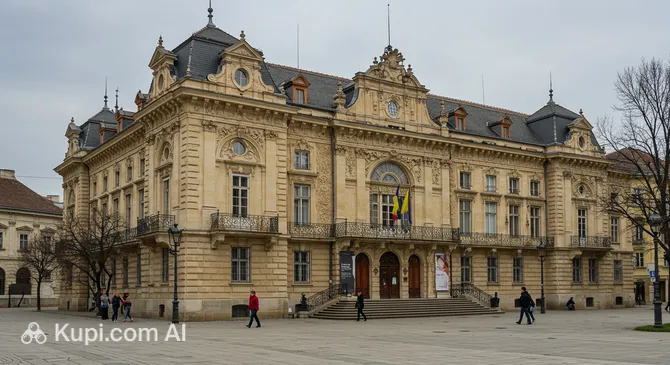
National Museum of Art Cluj-Napoca
National Museum of Art Cluj-Napoca. Иллюстрация. Источник: Kupi.com AI

Inside the museum, you'll find an impressive collection featuring works by prominent Romanian masters such as Nicolae Grigorescu and Theodor Aman. Additionally, visitors can explore works by Flemish, Dutch, and Italian painters. The museum harmoniously blends Transylvanian history with the broader context of European artistic tradition, offering guests a journey through centuries and styles.

Contacts

For those planning a visit, below is the essential contact information for the National Museum of Art in Cluj-Napoca. These details will help you navigate the city and contact the administration if needed.

How to contactContact
AddressPiața Unirii 30, Cluj-Napoca 400394, Romania
Phone+40 264 596 952
Websitewww.macluj.ro

What to Do

A visit to the museum offers guests an immersion into the world of classical beauty. You can walk through 22 rooms, each representing a specific milestone in the development of art. Focus your attention on the permanent exhibition, which features not only paintings by outstanding artists but also skillful sculptures reflecting the spirit of various eras.

Be sure to notice the architecture of the Bánffy Palace itself. High ceilings, Baroque decorative elements, and the solemn atmosphere of the halls create a unique backdrop for viewing the exhibits. Architecture enthusiasts will be interested in studying the work of German master Johann Eberhard Blaumann, who embodied the grandeur and elegance of 1775 in this building.

In addition to the permanent collections, the museum regularly hosts temporary exhibitions. This is a great opportunity to see works by contemporary artists or themed selections brought in from other major galleries. These displays often serve as a vibrant addition to the museum's classical holdings, offering a fresh perspective on modern culture.

Getting There

The museum is located in the heart of the city at Union Square (Piața Unirii 30), making it one of the most accessible attractions. If you are staying in the center, the best way to reach the museum is on foot. Look for the majestic St. Michael's Church, which is located just a few dozen meters from the museum building.

For those coming from more distant areas, public transport is an excellent option. Numerous bus and tram routes lead to the city center. Stops are within walking distance of the square, and the walk through the historic streets will be a pleasant addition to your excursion.

You can also always use taxis or ride-sharing services, which are popular in the city. If you are traveling by private car, keep in mind that the museum is located in a pedestrian zone, so it is best to leave your vehicle in one of the paid parking lots situated around the perimeter of the historical center.

Ближайший город: Cluj-Napoca

History & Facts

The building that houses the museum today—the famous Bánffy Palace—was erected in 1775. Designed in the exquisite Baroque style, it was created by German architect Johann Eberhard Blaumann specifically for Count György Bánffy, who served as the city's governor. This palace is rightfully considered one of the finest examples of 18th-century secular architecture in Transylvania.

For a long time, the palace's luxurious halls served administrative purposes, but in the mid-20th century, the building's history took a new turn. In 1951, the National Museum of Art was officially opened here, designed to preserve and showcase the region's rich cultural heritage to the public.

The museum's collection was formed over decades, bringing together works that span several centuries of artistic development. Today, it is the city's primary repository of artistic memory and an important landmark on the country's cultural map, reflecting a unique blend of Romanian, Hungarian, and pan-European traditions.

Time Needed

For a quick stroll through the halls and a general impression of the collection, most visitors need about 1.5–2 hours. This is enough time to see the main masterpieces of Romanian painting and appreciate the luxurious interiors of the Baroque palace.

If you are a true art connoisseur and plan to carefully study every sculpture, Flemish canvas, or temporary exhibition, we recommend setting aside 2.5–3 hours for your visit. For those who want to combine viewing the collection with a detailed study of the building's architecture and some relaxation in a cultural environment, the visit could last half a day.

Working Hours

When planning your visit, please note that the museum is open from Wednesday to Sunday. Monday and Tuesday are closed days for this cultural institution. It is recommended to arrive at least one hour before closing to ensure you have enough time to see all the halls.

DayWorking hours
ПонедельникЗакрыто
ВторникЗакрыто
Среда10:00 – 17:00
Четверг10:00 – 17:00
Пятница10:00 – 17:00
Суббота10:00 – 17:00
Воскресенье10:00 – 17:00

Nearby

Exploring the city's central districts after visiting the museum will allow you to deeper experience the atmosphere of Transylvania. Most iconic sites are within walking distance, making this area ideal for long strolls.

Near the museum, you will find both historical monuments and scenic viewpoints offering magnificent views of the old town.

NameDistance
Union Square0.1 km
Matthias Corvinus Monument0.1 km
St. Michael's Church0.1 km
Matthias Corvinus House0.2 km
Steampunk Transylvania0.2 km
Muzeon Jewish History Museum0.2 km
Firemen's Tower0.3 km

Reached the end of the page?

That means the route is fully explored