Support

The National Museum of the History of Transylvania

About

The National Museum of Transylvanian History is one of the most significant cultural institutions, carefully preserving the chronicles of an entire region. Located in the heart of Cluj-Napoca, this museum occupies a majestic historical building — the Petricevich-Horvath House. It is a place where the past comes to life in detail, offering guests of Romania a unique journey through the centuries.
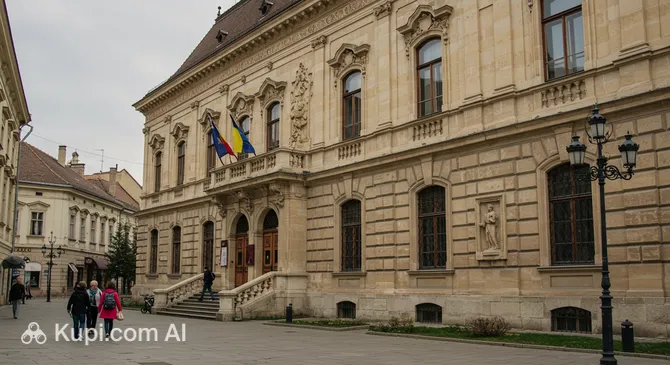
National Museum of Transylvanian History
National Museum of Transylvanian History. Иллюстрация. Источник: Kupi.com AI

The museum's holdings contain more than 400,000 exhibits, spanning a vast period from the Paleolithic era to the present day. Here you can see not only rare archaeological artifacts and rich numismatic collections but also quite exotic items, such as ancient Egyptian mummies or evidence from the first Antarctic expeditions. The building itself is an architectural monument, combining the spirit of antiquity with modern museum standards.

Of particular value is how the exhibition reveals the multifaceted nature of Transylvania. Visitors can trace the evolution of the region through material culture: from Roman settlements to the Austro-Hungarian period. Thanks to its high rating and extensive collection, the museum is deservedly considered a must-see for any traveler wishing to understand the authentic soul of this legendary land.

Contacts

For more information regarding special events or temporary exhibitions, you can contact the museum administration directly. The museum has an official website where announcements of upcoming events are published.

How to contactContact
AddressStrada Constantin Daicoviciu 2, Cluj-Napoca 400000, Romania
Phone+40 752 108 705
Websitemnit.ro

What to Do

Immersion into the museum's atmosphere begins with exploring its rich archaeological halls. Here you can see firsthand Roman-era finds and items from the Paleolithic period. Fans of the Middle Ages will be impressed by the collections of knightly weapons, authentic costumes of the Transylvanian nobility, and everyday objects that speak volumes about life in past centuries.

Be sure to stop by the numismatic department and the hall of unique exhibits, which houses Egyptian mummies and artifacts from a Belgian research vessel that once navigated the Antarctic ice. If you are interested in art and geography, pay attention to the collection of antique German ceramics, as well as detailed maps from the Austro-Hungarian Empire, which clearly illustrate the changing borders and cultural ties.

For a deeper dive into the context, we recommend using the services of a guide or visiting one of the temporary interactive exhibitions. After touring the displays, you can stop by the gift shop to purchase high-quality replicas of ancient artifacts, and then continue your walk through the historical center, as the museum is surrounded by cozy streets and ancient churches.

Getting There

The museum is located in the very heart of the historical center at Strada Constantin Daicoviciu 2, in the immediate vicinity of the picturesque Muzeului Square. If you are already walking through the city center, you can reach the museum doors from Unirii Square (Piața Unirii) in just 10–15 minutes with a leisurely stroll through the ancient pedestrian streets.

For those who prefer public transport, the most convenient options are trams No. 1, 3, 4, and 6, as well as buses No. 30 and 33. You should get off at the Piața Unirii or Muzeu stop, from where it is just a couple of hundred meters to the building. If you are arriving at the Cluj-Napoca railway station, it is easiest to take tram No. 1, which will get you to your destination in about 15 minutes.

For tourists arriving at Cluj Avram Iancu Airport, taxis are available (the trip takes about 20–30 minutes and costs approximately 20–30 lei), or you can take bus No. 8. Although there are paid parking lots near the museum, we recommend exploring on foot, as the area around the museum is predominantly pedestrian-friendly and very pleasant for walking.

Ближайший город: Cluj-Napoca

History & Facts

The history of this cultural institution began on November 23, 1859, with the founding of the Transylvanian Museum Society. Count Imre Mikó made a huge contribution to the creation of the collection, providing the funds and donations that gathered the first 24,000 exhibits. Over time, the collection became so significant that in 1872 it was transferred to the city university, and later found its permanent home in the historical Petricevich-Horvath House.

Interestingly, the collections of this museum served as the foundation for other iconic institutions in the city: its ethnographic treasures and art gallery became the basis for the independent Ethnographic Museum of Transylvania and the National Museum of Art. Over a century and a half, the holdings have grown to an impressive 400,000 items, transforming a modest regional collection into a world-class treasure trove.

The museum's location is also symbolic: since ancient times, the city has been an important hub, known in Roman times as Napoca. A legionary base was located here during the reign of Emperor Trajan, and many archaeological finds presented in the halls were discovered literally beneath the feet of modern residents. The exhibition vividly demonstrates how the region transformed under the influence of various cultures, from antiquity to the Austro-Hungarian era.

Time Needed

Given the scale of the collections, which include hundreds of thousands of items, planning your time depends on your curiosity. For a brief introduction to the main masterpieces and archaeological finds, 2–3 hours is usually sufficient. This time is enough to walk through the main halls and gain a general impression of the region's history.

However, for true history and archaeology enthusiasts, we recommend allocating 4 to 6 hours or even an entire day for the visit. Detailed study of the numismatic collections, ancient Egyptian artifacts, and temporary themed exhibitions requires a thoughtful approach and no rush.

Working Hours

When planning your visit to the National Museum of Transylvanian History, please take note of the operating schedule to ensure your journey into the past goes perfectly. The museum is open to visitors from Tuesday to Sunday, while Monday is a closing day.

Opening Hours:

  • Tuesday – Sunday: 10:00 – 18:00
  • Monday: Closed
It is recommended to arrive no later than one hour before closing to have time to see at least the main exhibition halls.

DayWorking hours
ПонедельникЗакрыто
Вторник10:00 – 18:00
Среда10:00 – 18:00
Четверг10:00 – 18:00
Пятница10:00 – 18:00
Суббота10:00 – 18:00
Воскресенье10:00 – 18:00

Nearby

The museum's location in the historical core of the city allows tourists to create a rich itinerary without spending much time on travel. Just a few steps from the museum, you'll find magnificent architecture and monuments that form the unique character of the region.

A stroll through the surrounding area will help you better feel the atmosphere of the old town, where modern cafes sit alongside Gothic cathedrals and Baroque palaces. Below are the most interesting sites within walking distance.

NameDistance
Matthias Corvinus House0.1 km
Muzeon Jewish History Museum0.1 km
Central Park Simion Bărnuțiu0.2 km
National Museum of Art Cluj-Napoca0.3 km
Steampunk Transylvania0.3 km
Ethnographic Museum of Transylvania0.3 km
St. Michael's Church0.3 km

Reached the end of the page?

That means the route is fully explored